Buying the right appliance is half the job — knowing how to use, clean, and maintain it is the other half. This silo is KitchenApex’s technique library: the how-to guides, care routines, and safety explainers that apply across your whole kitchen, whatever brands sit on your counter. Start with the cornerstones, then dip into the specific technique you need.
Start Here: The Cornerstone Guides
These four guides apply to every appliance owner — read them once and they pay for themselves in time, energy, and avoided mistakes.
- Must-Have Kitchen Appliances for Busy Families — the flagship starting point for outfitting a kitchen
- Appliance Usage Guides — correct, efficient use of every machine you own
- Kitchen Appliance Energy Consumption Guide — what each appliance really costs to run
- Kitchen Tools Checklist — the tools a working kitchen actually needs, nothing more
Cooking Techniques & How-Tos
Hands-on guides tested on real ingredients — from indoor sear marks to campfire Dutch oven cooking.
- Best Oils for Air Fryer Cooking — smoke points explained, oil by oil
- How to Make Nut Butter in a Blender — without overheating the motor
- The Ultimate Guide to Grill Pans — perfect sear marks indoors
- Cooking with a Dutch Oven over a Campfire — essential methods and temperature control
- Dutch Oven Seasoning — the complete step-by-step guide to seasoning cast iron
- Easy Large-Batch Stockpot Meals — feeding a family from one pot
- How to Cook Frozen Chicken in a Pressure Cooker — the weeknight rescue technique, done safely
- 10 Instant Pot Hacks — shortcuts that make the multicooker earn its counter space
- Pressure Cooking Times Chart — the reference chart for everyday ingredients
Care, Cleaning & Maintenance
Appliances fail from neglect far more often than from defects. These routines prevent most of it.
- How to Clean a Blender — the fast routine that keeps blades sharp
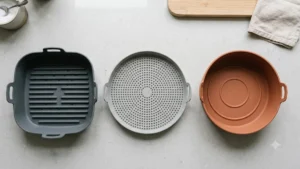
- Silicone Air Fryer Liners — how to use them without ruining crispiness
- Air Fryer Making Noise? — troubleshoot the common causes before you panic
Health, Safety & Smart Ownership
The questions every appliance buyer eventually asks — answered with evidence instead of fear or hype.
- Kitchen Safety: Appliance Myths vs. What Actually Matters
- The Truth About Air Fryer Toxicity
- Are Instant Pots a Healthy Way to Cook?
- Appliance Warranties Explained — are extended protection plans worth it?
- Ultimate Guide to Propane Grills — top picks and expert buying tips
- Compact All-in-One Appliances — when one machine should do the work of three
Explore the Other KitchenApex Silos
Cooking Tips FAQs
Which kitchen appliance uses the most electricity?
Heating appliances dominate: electric ovens, kettles, and air fryers all draw 1,000–2,000+ watts while running — but because they run briefly, daily energy often favors them over long-simmering stovetop cooking. The energy guide above ranks each appliance by real-world cost per use.
Are extended appliance warranties worth buying?
Usually not for small appliances — replacement is often cheaper than the plan, and credit cards or manufacturer coverage already protect you. For expensive machines with compressor or motor failures in years 2–3, the math can flip. The warranty guide above breaks down the decision by price bracket.
How often should I deep-clean my appliances?
A practical rhythm: blender and food processor bowls after every use; air fryer baskets weekly; coffee makers descaled every 1–3 months; pressure cooker gaskets inspected monthly; and your Dutch oven re-seasoned whenever the surface turns dull or grey.
Can silicone liners really ruin air fryer crispiness?
Solid liners trap steam under the food and block airflow to the basket bottom — that is what softens the crust. Perforated or grooved liners mostly avoid the problem. The liners guide above compares the three types with airflow in mind.