Extended warranty offers show up at checkout for almost every kitchen appliance, from a $30 hand mixer to a $600 espresso machine. The pitch sounds reassuring, but a protection plan is not automatically good value just because it is offered.
This guide breaks down what manufacturer warranties actually cover, what extended plans add, and how to decide whether a specific plan is worth paying for.
Quick verdict
Extended protection is most worth considering for expensive, repair-prone appliances with complex electronics, especially when the plan covers labor and major components without restrictive exclusions.
What Is a Manufacturer Warranty?
Typical coverage
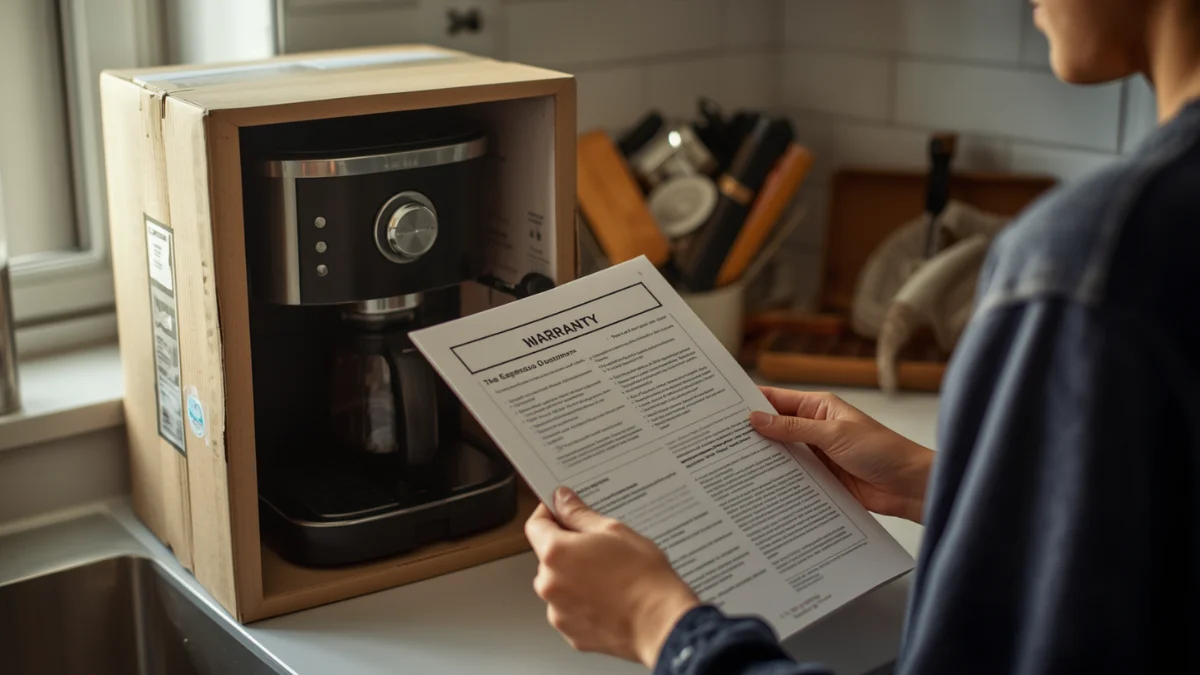
Most manufacturer warranties cover defects in materials or workmanship, meaning the appliance failing to work correctly due to how it was built, not how it was used.
Typical duration
Coverage commonly runs one year for small kitchen appliances, though some premium brands offer longer terms on specific components like motors.
What is often excluded
Cosmetic damage, accessories, and damage from misuse are typically not covered even under the base manufacturer warranty.
What Is an Extended Warranty or Protection Plan?
Retailer plan versus manufacturer plan
Retailer-sold plans are usually backed by a third-party administrator, not the appliance manufacturer itself, while some manufacturers also sell their own extended coverage directly.
Service contract terminology
These plans are technically service contracts rather than insurance in most cases, which affects how claims and refunds are handled; the fine print of the specific contract governs, not general assumptions.
What Appliance Warranties Usually Cover
- Manufacturing defects — flaws present from the factory, not from use.
- Parts — replacement components needed due to a covered failure.
- Labor — the cost of a technician’s time, though this is not always included, especially in base manufacturer warranties.
- Electrical or mechanical failures — issues with motors, heating elements, or internal wiring that occur under normal use.
What They Often Do Not Cover
- Accidental damage — drops, spills into electronics, and similar incidents.
- Wear and tear — gradual degradation from normal, expected use.
- Misuse — damage from using the appliance outside its intended purpose or instructions.
- Consumable parts — items like blender gaskets, filters, or blades that are expected to need periodic replacement.
- Cosmetic damage — scratches, discoloration, or dents that do not affect function.
- Commercial use — most consumer warranties exclude appliances used in a commercial or business setting.
When an Extended Plan May Be Worthwhile
Premium espresso machines
Complex internal components and higher repair costs make an extended plan more likely to pay for itself if something fails after the base warranty ends.
Built-in appliances
Installation costs on top of parts and labor make built-in appliance repairs more expensive, which shifts the math in favor of extended coverage.
High-end blenders
Powerful motors under heavy daily use can be a common failure point, and replacement motors on premium models are not cheap.
Complex multifunction appliances
More electronic components generally mean more potential points of failure, which can favor extended coverage on higher-end multicookers and combination appliances.
Appliances with costly electronic control boards
If a single control board replacement costs a large share of the appliance’s original price, an extended plan covering that part specifically can be worthwhile.
When It Is Usually Less Worthwhile
Low-cost appliances. If the appliance costs less than or close to the price of the extended plan itself, replacing it outright is usually the simpler and cheaper option.
Simple appliances. Devices with few moving parts and no complex electronics, like a basic toaster, rarely justify the added cost of a plan.
Products with inexpensive replacement cost. If a new unit costs about the same as a repair would, a plan adds little practical value.
Appliances already covered by a credit-card benefit or retailer policy. Some credit cards automatically extend manufacturer warranties on purchases made with the card; check this before paying separately for coverage that may already exist.
How to Calculate Whether a Plan Is Worth It
Weigh these figures together rather than relying on gut feeling:
- Appliance purchase price
- Plan cost
- Likely repair cost for the most common failure points on that specific model, which a quick search often reveals
- Expected lifespan of the appliance under normal use
- Replacement cost if the appliance were to fail and not be repaired
If the plan cost is a small fraction of the likely repair cost, and the appliance is expensive enough that repair is more sensible than replacement, the plan is more likely to be worth it.
Questions to Ask Before Buying

- Who performs repairs? In-home service, mail-in repair, or a local authorized center all affect convenience.
- Is labor included? Some plans only cover parts, leaving you to pay separately for a technician’s time.
- Is there a deductible? Some plans charge a fee per claim, which changes the real cost of using the coverage.
- Is replacement guaranteed? Find out whether the plan replaces the appliance outright if it cannot be repaired, or only attempts repair.
- Is coverage transferable? This matters if you might sell or gift the appliance before the plan ends.
- Are shipping costs covered? Mail-in repair plans sometimes require the owner to pay return shipping.
How to Make a Warranty Claim Successfully
- Register the product with the manufacturer soon after purchase, since some warranties require registration to activate fully.
- Keep the invoice as proof of purchase date, which most claims require.
- Photograph the serial number and store it somewhere separate from the appliance itself, in case the label wears off.
- Follow maintenance instructions in the manual, since skipping required maintenance can be grounds for a denied claim.
- Keep service records of any prior repairs or maintenance performed on the appliance.
FAQ
Are appliance protection plans refundable?
This depends entirely on the specific plan’s terms; some offer a prorated or full refund if canceled within a certain window and unused, while others do not. Always check the individual contract.
Does a credit card extend a manufacturer warranty?
Some cards do, automatically adding a set period of extra coverage on eligible purchases. Check your specific card’s benefits guide, since this varies significantly between issuers and card tiers.
Are extended warranties worth it for air fryers?
Usually not for budget models, since replacement cost is often close to repair cost. For premium, feature-heavy air fryer ovens with more complex electronics, it can be worth considering.
What voids a kitchen appliance warranty?
Common causes include using the appliance outside its intended purpose, unauthorized repair attempts, and physical damage from drops or misuse. Specific exclusions vary by manufacturer and are listed in the warranty documentation.