Last Updated in February 2026
Buying a blender sounds simple — until you actually start comparing models.
Suddenly, you’re looking at 700-watt vs 1500-watt motors, glass vs Tritan jars, multiple preset programs, and prices ranging from $30 to $300+.
It’s no surprise that many buyers end up choosing the wrong blender.
The truth is simple:
There is no single “best blender.” There is only the best blender for the way you cook.
This complete blender buying guide explains exactly what to look for when buying a blender, including:
- The different types of blenders
- How much power do you really need
- Glass vs Tritan jar materials
- Features that actually matter
- Common blender buying mistakes to avoid
By the end, you’ll be able to choose the perfect blender confidently in minutes.
Get the right blender, master the perfect smoothie. Explore our tips and ingredient guide.
Quick Answer: How to Choose the Right Blender
If you only remember three things when buying a blender, follow this checklist.
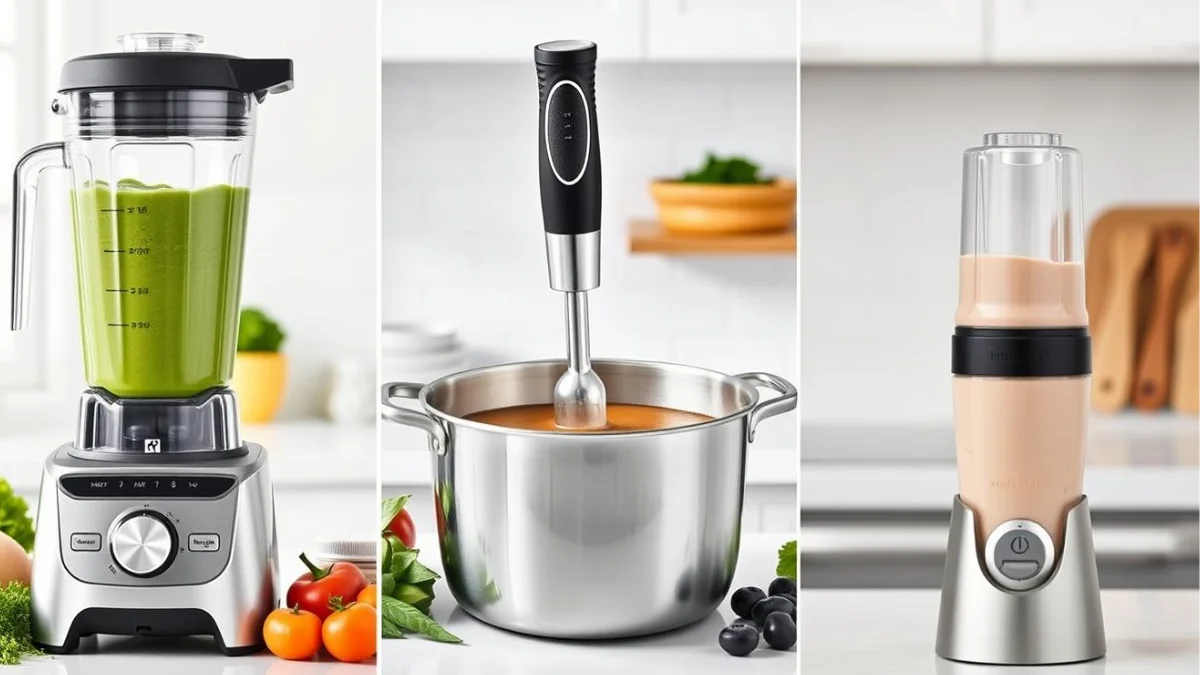
1. Choose the Right Blender Type
- Personal blender → best for single smoothies
- Countertop blender → best for families
- Immersion blender → best for soups and sauces
2. Choose the Right Power
| Wattage | Best For |
|---|---|
| 500-700W | Basic smoothies |
| 900-1200W | Most homes |
| 1200W+ | Frozen foods, nut butter |
For most households, the sweet spot is a 900–1200W countertop blender.
3. Choose a Durable Jar
- Glass jars → best for hot foods and odor resistance
- Tritan plastic jars → lighter and more durable
4. Look for Easy Cleaning
The best blenders offer:
- Dishwasher-safe parts
- Self-clean functions
- Removable blades
Find Your Ideal Blender in 10 Seconds
Not sure which blender type you need? Use this quick selector to find the best blender for your kitchen.
Blender Recommendation Tool
Best Blender Types Comparison
| Blender Type | Best For | Power Range | Typical Price |
|---|---|---|---|
| Personal Blender | Single smoothies | 300–700W | $30–$80 |
| Countertop Blender | Families | 700–1200W | $80–$150 |
| Immersion Blender | Soups & sauces | 200–500W | $30–$100 |
| High-Performance Blender | Nut butter & heavy use | 1200W+ | $200+ |
Types of Blenders (Most Important Decision)
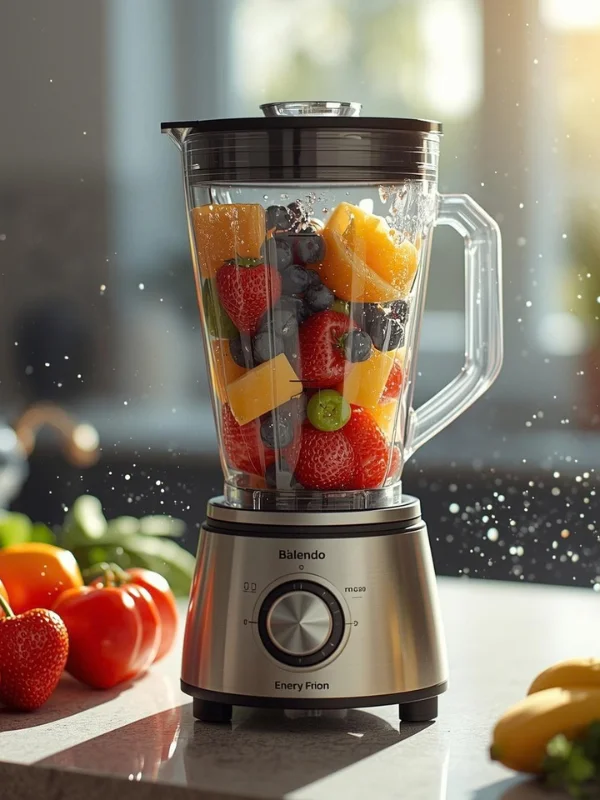
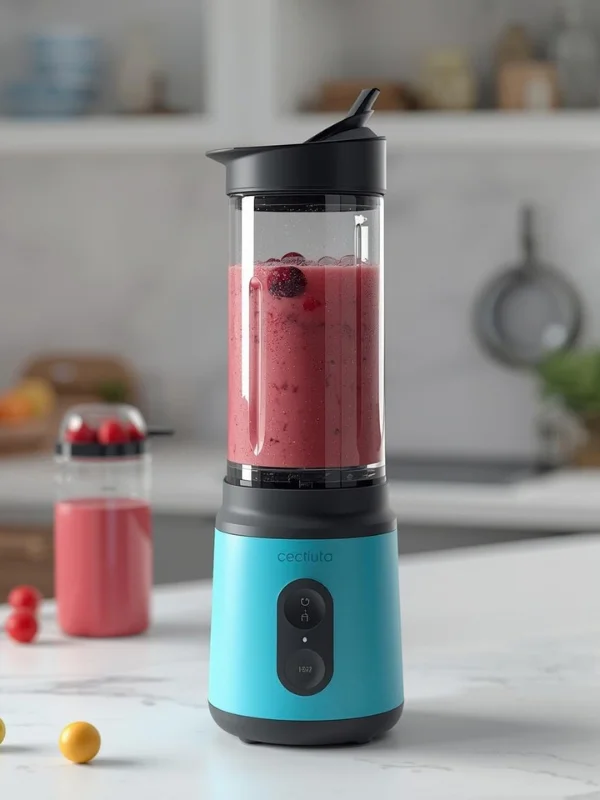
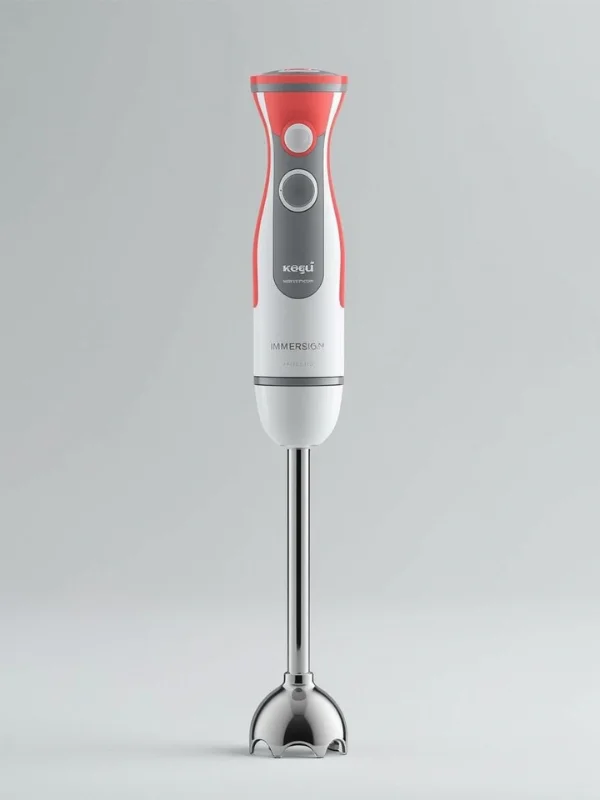
The biggest mistake buyers make is choosing the wrong type of blender.
Countertop Blenders
Best for:
- Families
- Smoothies
- Frozen drinks
- Sauces and soups
These are the most versatile blenders and the best choice for most kitchens.
Recommended specs:
- 900–1200W motor
- 48–64 oz jar
- Variable speed control
Personal Blenders
Best for:
- Single servings
- Protein shakes
- Small kitchens
Personal blenders usually come with portable blending cups, making them convenient for people who blend smoothies daily.
However, they often struggle with ice and frozen fruit.
Immersion (Hand) Blenders
Best for:
- Soups
- Sauces
- Baby food
- Small blending tasks
Immersion blenders allow you to blend directly in pots, making them perfect for soup preparation.
They are not designed for crushing ice or heavy blending tasks.
High-Performance Blenders
Best for:
- Nut butter
- Frozen desserts
- Daily heavy use
- Meal prep
These models usually feature 1200W–2000W motors and hardened steel blades.
They cost more but offer exceptional durability and performance.
Blender Motor Power Explained
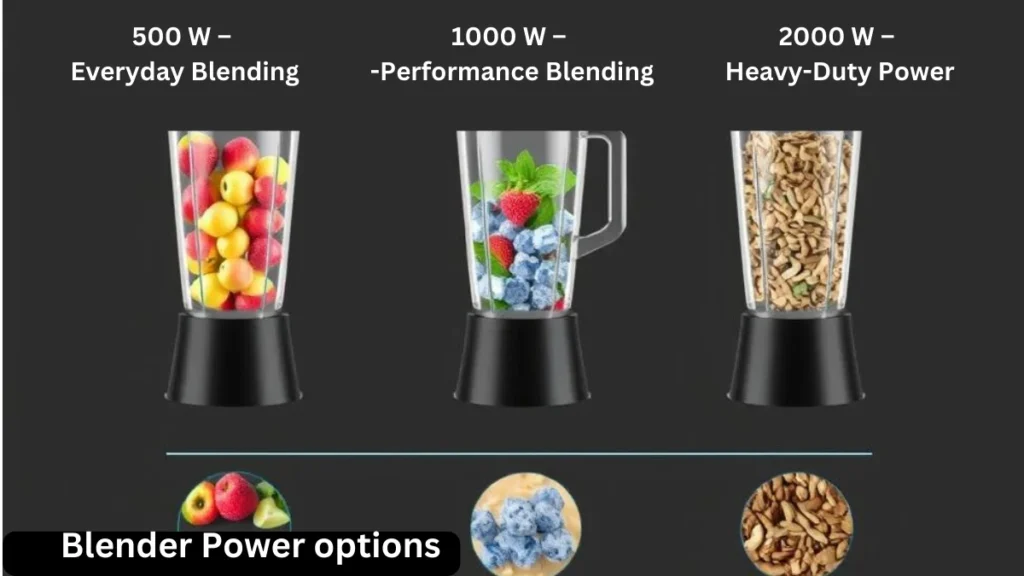
Motor power is often the most advertised specification — but it’s not the only thing that determines blender performance.
Recommended Wattage by Use
| Power | Best For |
|---|---|
| 300–600W | Light blending |
| 700–900W | Smoothies and frozen fruit |
| 900–1200W | Most kitchens |
| 1200W+ | Nut butter and heavy blending |
For most households, 900–1200W provides the best balance of power, price, and durability.
A well-designed 900W blender can outperform a poorly engineered 1500W blender.
Blender Jar Materials (Glass vs Tritan)
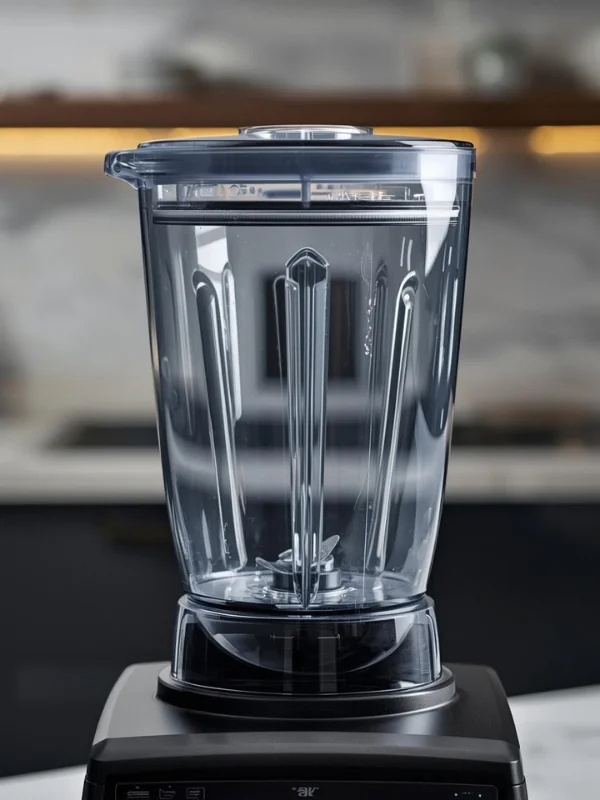
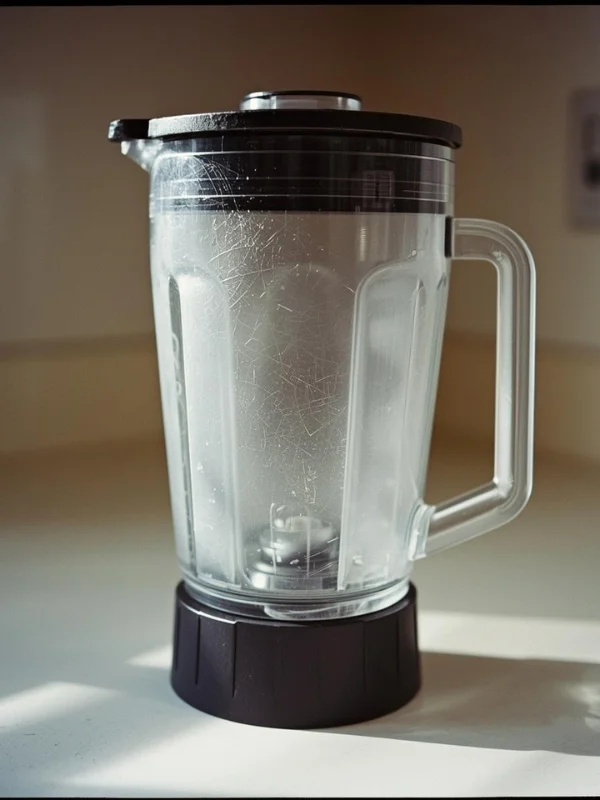
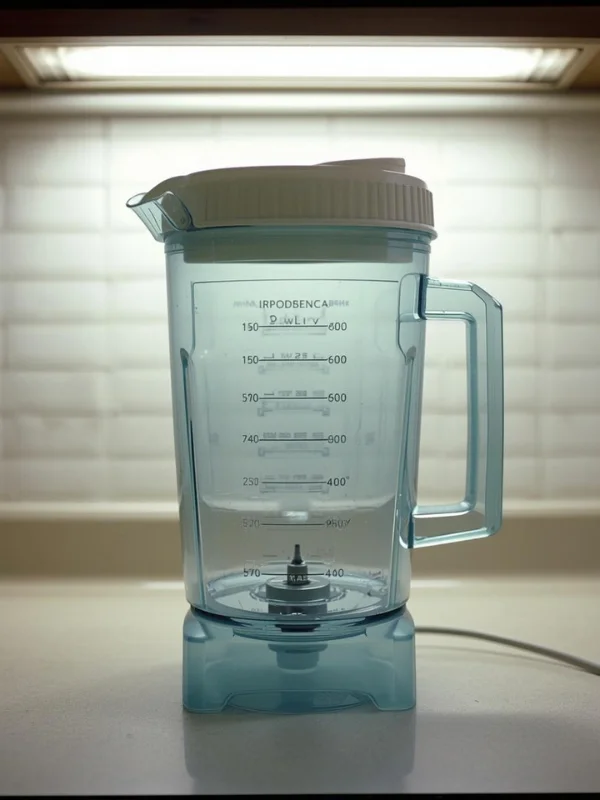
The jar material affects durability, weight, and heat resistance.
Glass Blender Jars
Advantages
- Scratch resistant
- Odor resistant
- Safe for hot ingredients
Disadvantages
- Heavy
- Can break if dropped
Best for people who blend hot soups and sauces.
Tritan Plastic Jars
Advantages
- Lightweight
- Shatter resistant
- BPA-free
- Used in many premium blenders
Disadvantages
- Can scratch over time
- May retain odors
Best for daily smoothie makers.
Standard Plastic Jars
Advantages
- Budget friendly
- Lightweight
Disadvantages
- Scratches easily
- May stain
Best for occasional users.
Blender Capacity Guide
Choosing the right jar size improves convenience.
| Capacity | Best For |
|---|---|
| 20-32 oz | Personal smoothies |
| 40-48 oz | Couples |
| 64 oz | Families |
For most households, a 48–64 oz jar provides the best versatility.
Blender Controls and Preset Programs
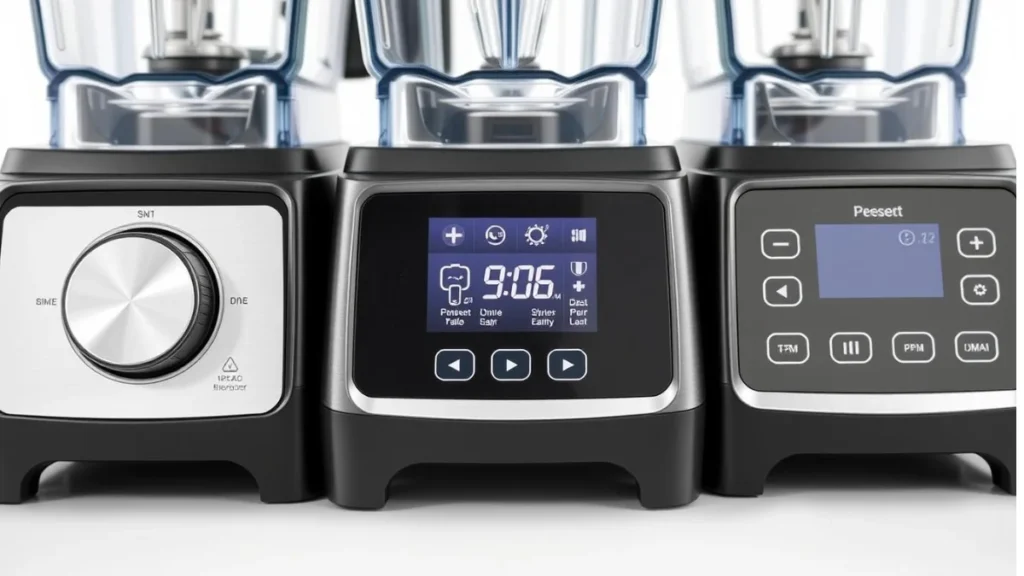
Blenders typically offer two control styles.
Manual Controls
Manual dials or buttons allow users to control blending speed.
Best for:
- Experienced cooks
- Custom texture control
- Recipe experimentation
Preset Programs
Preset functions automatically adjust blending speed and duration.
Common presets include:
- Smoothie
- Ice crush
- Soup
- Self clean
These features are convenient for busy kitchens.
Quick Blender Manual Control & Preset Use Rule of Thumb
- Consider the cleaning process when evaluating controls
- Touch panels are easier to wipe down but may be less responsive when wet.
- Physical buttons & dials offer tactile feedback but can collect food particles in crevices.
Cleaning and Maintenance
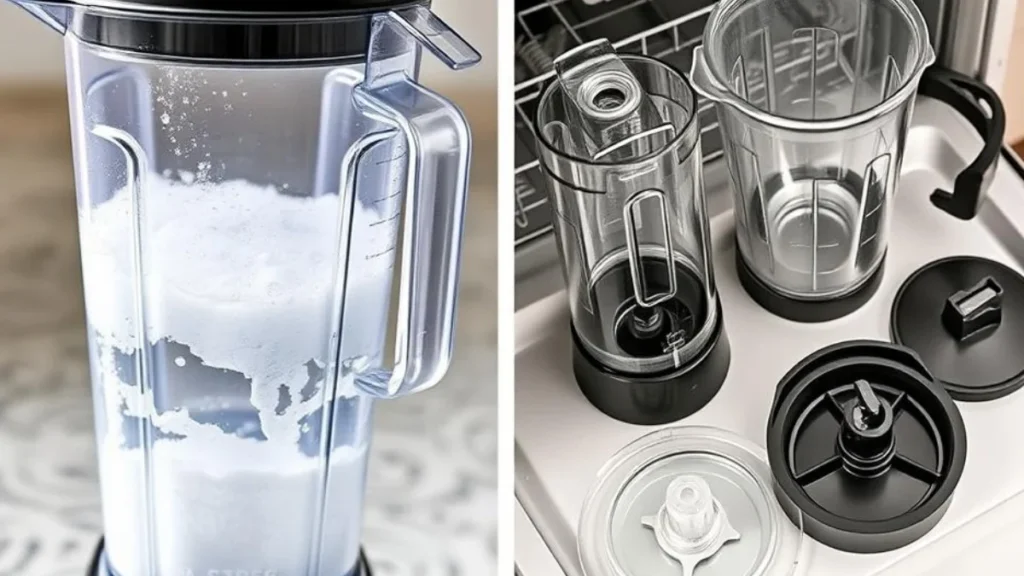
Cleaning convenience is one of the most overlooked factors when buying.
Look for blenders with:
- Dishwasher-safe jars and lids
- Removable blades
- Self-clean programs
Most modern blenders can be cleaned quickly using the self-clean method:
- Add warm water and dish soap
- Blend for 30 seconds
- Rinse thoroughly
Blender Price Guide (What You Should Spend)
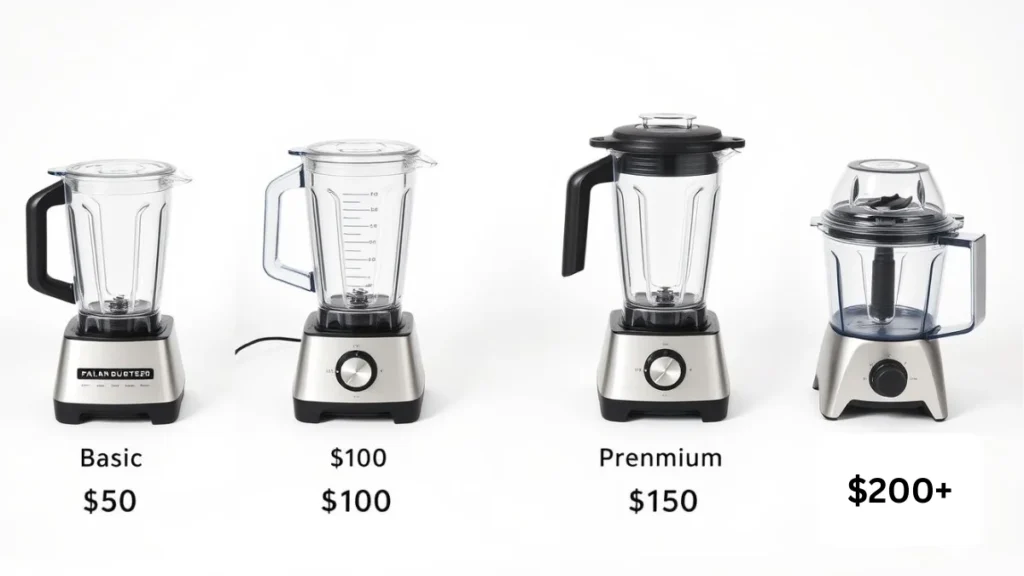
Blender prices vary widely depending on power and build quality.
Under $50
Entry-level blenders typically offer:
- 300–500W motors
- Plastic jars
- Basic controls
Best for occasional use.
$50–$100
Mid-range blenders provide:
- 600–900W motors
- Larger jars
- Pulse functions
These models work well for smoothies and frozen drinks.
$100–$150
At this price level, you’ll find:
- 900–1200W motors
- Tritan jars
- Preset programs
This range offers the best value for most households.
$150+
Premium blenders often include:
- 1200W–2000W motors
- professional-grade blades
- long warranties
These models are ideal for heavy daily use.
Quick Blender Budget-Buy Consideration
- Basic Functionality: Under $50
- Advanced Features: $100–$150
- Professional-Grade Performance: $150–$250
7 Blender Buying Mistakes to Avoid
Many buyers choose the wrong blender for simple reasons.
Avoid these common mistakes:
- Buying based only on wattage
- Choosing a jar that is too small
- Ignoring cleaning convenience
- Overpaying for unnecessary presets
- Buying a personal blender for family use
- Ignoring noise levels
- Choosing style over durability
Blender vs Food Processor
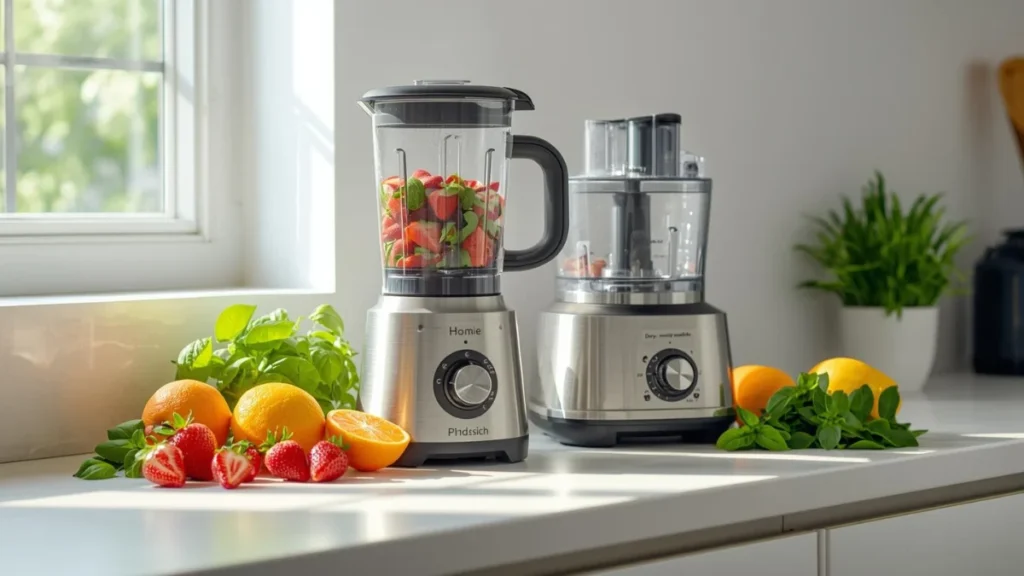
Blenders and food processors serve different purposes.
| Task | Blender | Food Processor |
|---|---|---|
| Smoothies | ⭐⭐⭐⭐ | ⭐ |
| Soups | ⭐⭐⭐⭐ | ⭐ |
| Nut butter | ⭐⭐⭐ | ⭐⭐⭐⭐ |
| Chopping vegetables | ⭐⭐ | ⭐⭐⭐⭐ |
| Dough | ❌ | ⭐⭐⭐⭐ |
Quick rule:
- Choose a blender for liquids
- Choose a food processor for chopping and dough
You can read the full comparison here:
Blender vs Food Processor: Which Kitchen Appliance Should You Buy?
Best Blender Specs for Most Homes
If you want a simple recommendation, choose a blender with these specs.
| Feature | Ideal Choice |
|---|---|
| Power | 900–1200W |
| Capacity | 48–64 oz |
| Jar | Tritan plastic |
| Controls | Manual + presets |
| Cleaning | Self clean |
This setup works for smoothies, frozen drinks, soups, and everyday blending.
What to Look for When Buying a Blender
The best blender depends on your main use, power needs, jar material, and ease of cleaning. When comparing blenders, focus on these features:
Power: 900–1200W is ideal for most homes
Jar size: 48–64 oz for families
Jar material: Glass or Tritan plastic
Blade design: Multi-tier or hardened steel
Controls: Presets vs manual speed dial
Cleaning: Dishwasher-safe or self-clean mode
Warranty: Aim for 2+ years
These factors matter far more than brand names or flashy presets
Quick Blender Decision Guide
Choose a personal blender if:
- You make single-serve smoothies
- You want portability
- You have limited counter space
Choose a 900–1200W countertop blender if:
- You make smoothies or frozen drinks often
- You cook regularly
- You want an all-purpose blender
Choose a 1200W+ blender if:
- You make nut butter or frozen desserts
- You meal prep frequently
- You want long-term durability
Recommended Blender Guides
If you want help choosing a specific model, explore these guides.
For smoothies:
Best Blenders for Smoothies and Juices
For budget options:
For model comparisons:
Blender Buying FAQ
How many watts should a good blender have?
Most homes benefit from 700–1200 watts. Heavy users should choose 1200W+.
Is a glass blender jar better than plastic?
Glass jars are best for hot foods and odor resistance, while Tritan plastic jars are lighter and more durable.
How long should a blender last?
- Budget models: 1–3 years
- Mid-range blenders: 3–5 years
- Premium blenders: 5–10+ years
Can a blender replace a food processor?
Blenders are excellent for liquids, but food processors are better for chopping vegetables and making dough.
Final Thoughts

Choosing the right blender doesn’t have to be complicated.
Focus on these three factors:
- Choose the right blender type
- Aim for 900–1200W power
- Prioritize ease of use and cleaning
When you choose based on your actual cooking habits, you’ll end up with a blender you’ll use every day.
If you’re building a complete kitchen setup, you may also want to explore our guide to the must-have kitchen appliances every home should own
If you are new to kitchen appliances and are not comfortable choosing the right kitchen appliance for your needs, cooking style, read our kitchen appliance buying guide, or take the help of our kitchen appliance finder tool