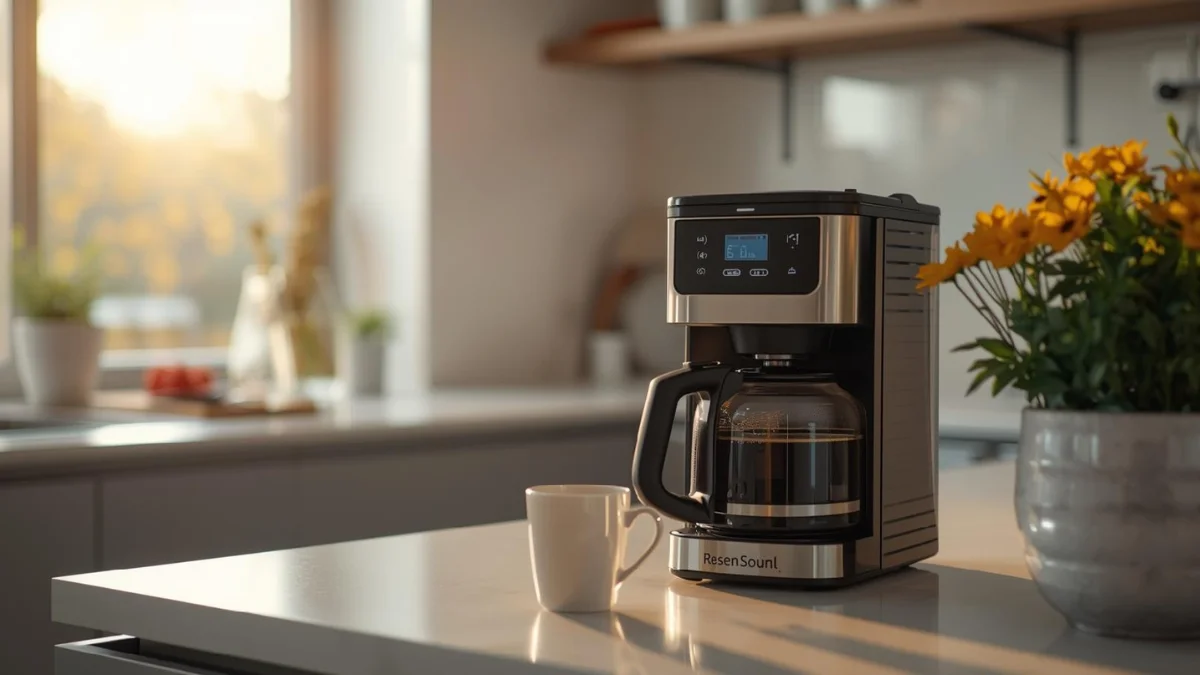
If you’re searching for the best programmable coffee maker, you’re likely not just shopping for an appliance — you’re trying to improve your mornings.
The right programmable coffee maker saves time, removes friction, and ensures your coffee is ready exactly when you need it. That’s why this feature has become one of the most important buying criteria for home coffee machines.
This guide goes beyond a basic review. It’s designed to help you:
- Understand what really makes a programmable coffee maker worth buying
- Compare options based on real-life use
- Decide whether one specific best-selling model fits your needs
What Makes the Best Programmable Coffee Maker?
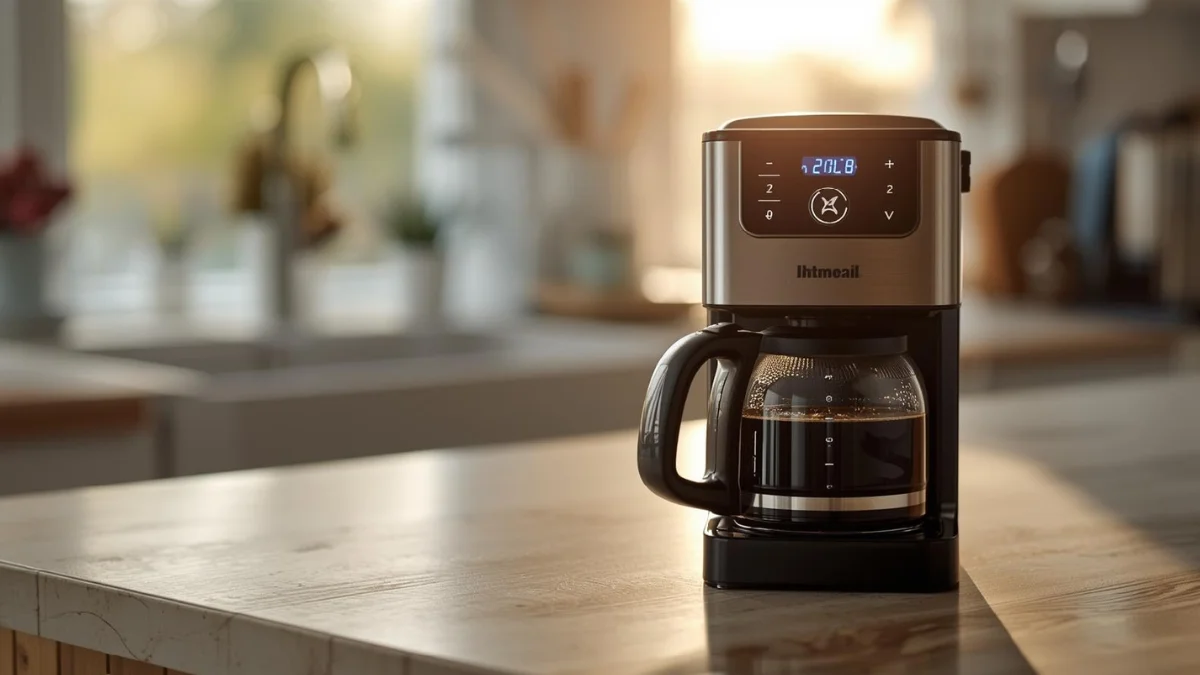
The best programmable coffee maker is one that allows users to schedule brewing in advance, delivers consistent coffee strength, offers flexible brew sizes, and requires minimal effort to operate and maintain.
In practical terms, the best models combine:
- Reliable scheduling
- Consistent water temperature
- Easy-to-use controls
- Long-term durability
In summary, the best programmable coffee maker seamlessly blends convenience with quality. Key features include a reliable timer for automated brewing, allowing you to wake up to freshly brewed coffee. Precise temperature control ensures optimal extraction, resulting in richer flavor.
So, the ideal programmable coffee maker offers a blend of automated convenience, precise control, and lasting durability, making it a valuable addition to any coffee lover’s kitchen.
Why Programmable Coffee Makers Are So Popular in 2026
1. Time-Saving Convenience
Programmable coffee makers allow you to prepare everything the night before and wake up to freshly brewed coffee.
2. Consistency in Taste
By controlling brew time and water distribution, programmable machines reduce flavor variability.
3. Better for Daily Coffee Drinkers
If coffee is part of your routine, programmability quickly becomes a necessity rather than a luxury.
Best Programmable Coffee Maker for Home Use (Real-Life Perspective)
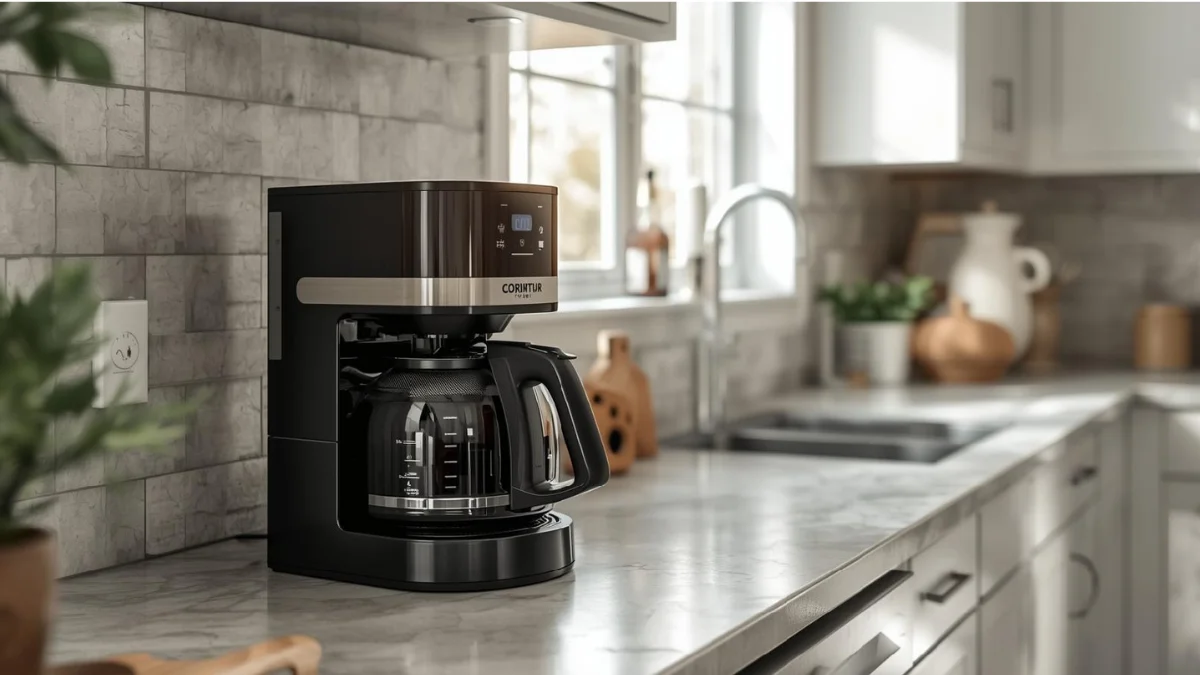
Many buyers specifically search for:
- Best programmable coffee maker for home
- Best programmable coffee maker for busy mornings
For home use, the ideal machine should:
- Handle both single-cup and full-pot brewing
- Avoid expensive pods
- Be intuitive for multiple users
This is where dual-brew programmable coffee makers stand out.
Product Spotlight: A Dual-Brew Best Seller
Hamilton Beach 2-Way Programmable Coffee Maker

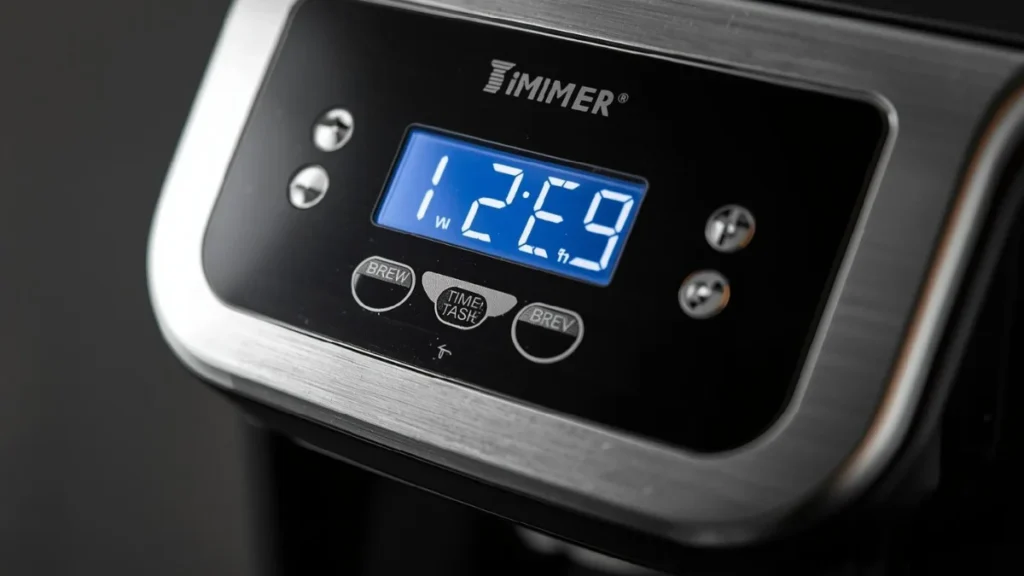
This model consistently ranks among the most popular options in the programmable coffee maker category because it combines two brewing styles in one machine:
- A 12-cup programmable drip coffee maker
- A single-serve coffee brewer
This design makes it especially appealing for households with different coffee habits.
Ready to upgrade your mornings?
Why This Is One of the Best Programmable Coffee Makers Without Pods
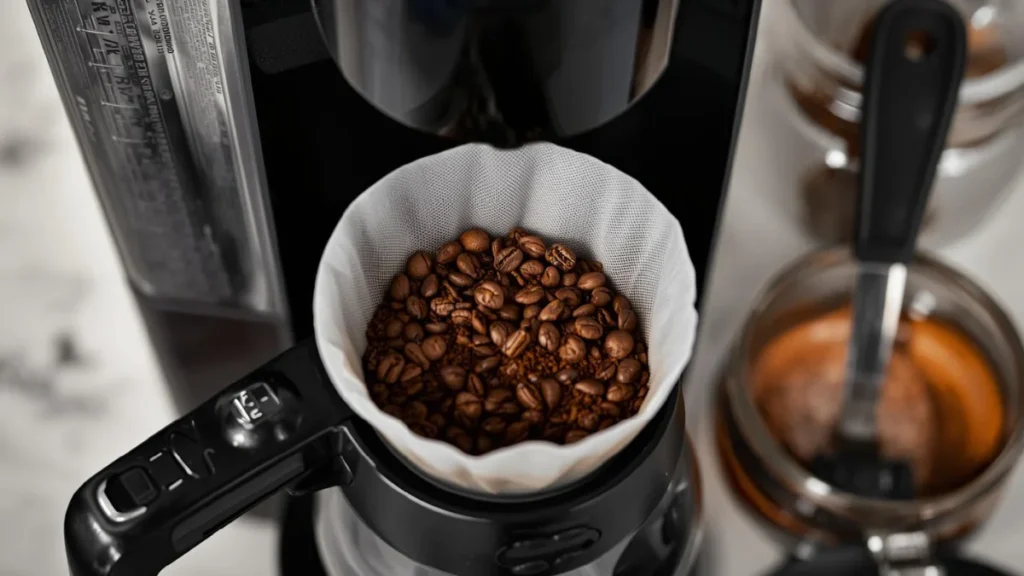
Many buyers want to avoid pods due to:
- Higher long-term costs
- Environmental concerns
- Limited coffee choices
This coffee maker uses standard ground coffee only, giving you:
- Full control over flavor
- Lower ongoing costs
- Compatibility with any coffee brand
For value-focused buyers, this is a major advantage.
Best Programmable Coffee Maker with Single Serve + Full Pot
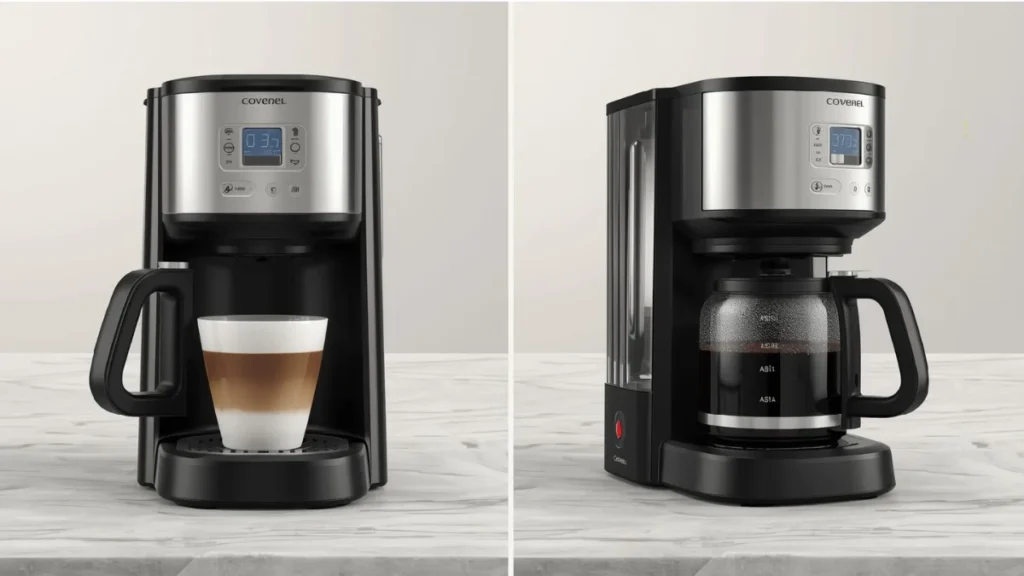
Instead of choosing between convenience and capacity, this machine offers both:
- Single-serve brewing for solo use
- Full 12-cup carafe brewing for families or guests
This flexibility is rare at its price point.
See why this programmable coffee maker is so popular
Pros and Cons
Pros
- Dual brewing options (single cup + full pot)
- Fully programmable
- No pods required
- Excellent value for households
Cons
- Requires moderate counter space
- Glass carafe instead of thermal
- Not designed for espresso drinks
Who Should Buy This Programmable Coffee Maker?
✅ Ideal For:
- Busy households
- Remote workers
- Daily coffee drinkers
- Buyers who want flexibility without pods
❌ Not Ideal For:
- Espresso-only drinkers
- Minimalists with limited counter space
- Occasional coffee users
Comparison Snapshot: Why It Beats Many Alternatives
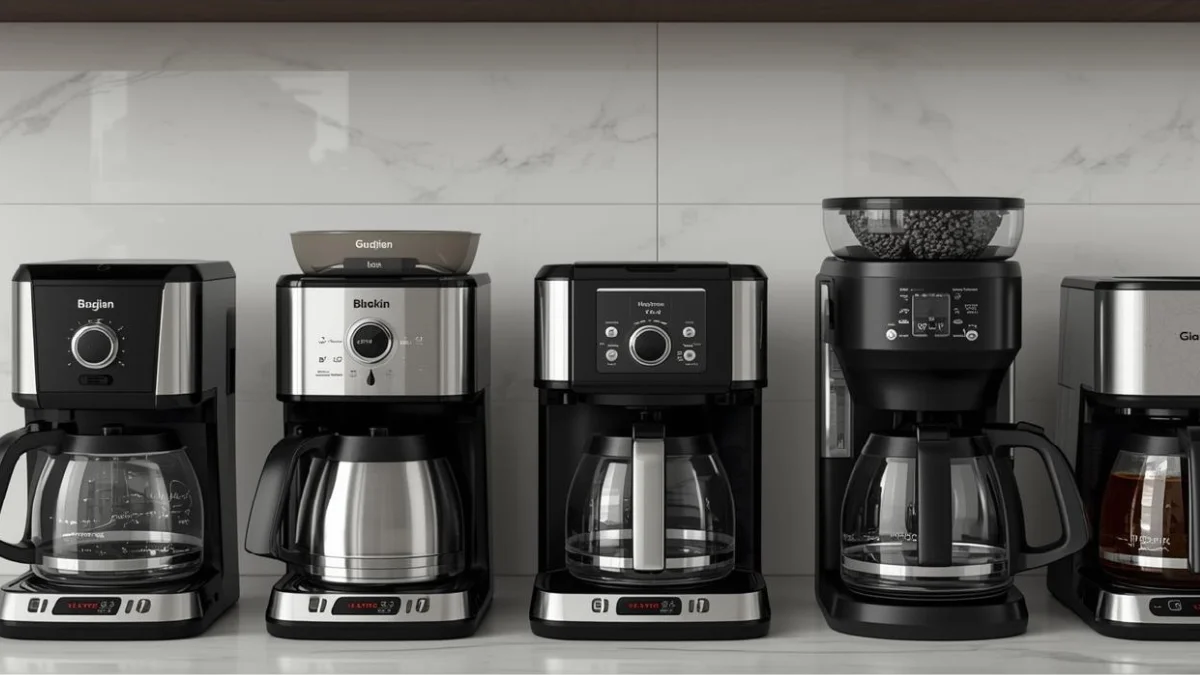
| Feature | This Model | Single-Serve Only | Drip Only |
|---|---|---|---|
| Programmable | ✅ Yes | ⚠️ Limited | ✅ Yes |
| Single Cup | ✅ Yes | ✅ Yes | ❌ No |
| Full Pot | ✅ Yes | ❌ No | ✅ Yes |
| Uses Pods | ❌ No | ✅ Yes | ❌ No |
| Long-Term Cost | 💰 Low | 💸 High | 💰 Low |
How to Choose the Best Programmable Coffee Maker (Buyer Checklist)
When shopping, ask yourself:
- Do I need single-serve, full pot, or both?
- Do I want to avoid pods?
- Will I use the programmable feature daily?
- How easy is cleaning and descaling?
Machines that check all four boxes offer the best long-term satisfaction.
Maintenance Tips to Make Your Coffee Maker Last Longer
- Descale every 1–3 months
- Clean the carafe and brew basket regularly
- Empty unused water from reservoirs
Proper maintenance can extend lifespan beyond 5 years.
People Also Ask (PAA)
Is a programmable coffee maker worth it?
Yes. A programmable coffee maker is worth it for daily coffee drinkers because it saves time, ensures consistent brewing, and simplifies morning routines.
What is the best programmable coffee maker for home use?
The best programmable coffee maker for home use offers reliable scheduling, flexible brew sizes, and easy maintenance. Dual-brew models are ideal for households with different coffee needs.
Are programmable coffee makers better than manual ones?
Programmable coffee makers offer greater convenience and consistency, while manual coffee makers appeal to users who prefer hands-on control.
What coffee maker is best without pods?
A programmable coffee maker that uses ground coffee only is best for buyers who want lower costs, less waste, and more coffee variety.
How long do programmable coffee makers last?
With proper cleaning and descaling, most programmable coffee makers last five years or longer.
Final Verdict: Is This the Best Programmable Coffee Maker for Most People?
If you’re looking for:
- Reliable programmability
- Flexible brewing options
- Pod-free operation
- Strong value for money
This model earns its place among the best programmable coffee makers for home use.
This coffee maker sells out often
Latest Posts
- Best Food Dehydrators for Home Use (2026): Budget to Premium Picks Compared
 Share this ArticleCategory: Kitchen Appliances · Dehydrators | Reading time ≈ 7 min | Last updated: September 2026 | Prices re-verified at time of writing We did not run 20+ batch cycles. Every spec below is drawn from manufacturer documentation and verified live listings — see the research method declaration. Store-bought beef jerky runs roughly …
 - Zojirushi Neuro Fuzzy (NS-ZCC10) Review 2026: Is the $270 Rice Cooker Worth It for a Rice-Eating Family?
 Share this ArticleCategory: Rice Cookers · Kitchen Appliances | Reading time ≈ 6 min | Last updated: September 2026 | Prices re-verified at time of writing The Zojirushi Neuro Fuzzy has been the benchmark home rice cooker for over a decade, and it still holds a 4.7-star rating from 12,300+ Amazon reviews, priced at $270 …
 - Best Rice Cookers for Large Families (2026): 7 Picks That Actually Keep Up
 Share this ArticleIf you cook rice for six or more people, the deciding factor is not brand or price — it is cooked-cup capacity and a proper keep-warm cycle. A 10-cup (uncooked) model makes roughly 20 cups of cooked rice, which comfortably feeds a family of six with leftovers. Anything smaller means running two batches on …
 - Breville Fast Slow Pro vs Instant Pot Duo: Which Hybrid Is Better?
 Share this ArticleType: Commercial Comparison | Silo: Pressure Cookers | Target Audience: Pressure cooker buyers, meal-prep cooks Quick Answer Box The Breville Fast Slow Pro ($400) offers more cooking modes (pressure, slow, sous vide, steaming, yogurt) and smarter temperature control. The Instant Pot Duo ($100–$150) is simpler, cheaper, and more reliable. Choose Breville if you …
 - Instant Pot Pressure Cooking Times Chart: Common Foods + Conversions
 Share this ArticleQuick Answer Box Use this chart for Instant Pot pressure cooking times at high pressure. Natural release (NR) produces tender results; quick release (QR) saves time but can slightly toughen meat. For best results, always add liquid (at least 1 cup). Times assume thawed ingredients; add 5–10 minutes for frozen. Key Takeaways ✓ …