Quick Answer: Can You Blend Hot Soup in a Personal Blender?
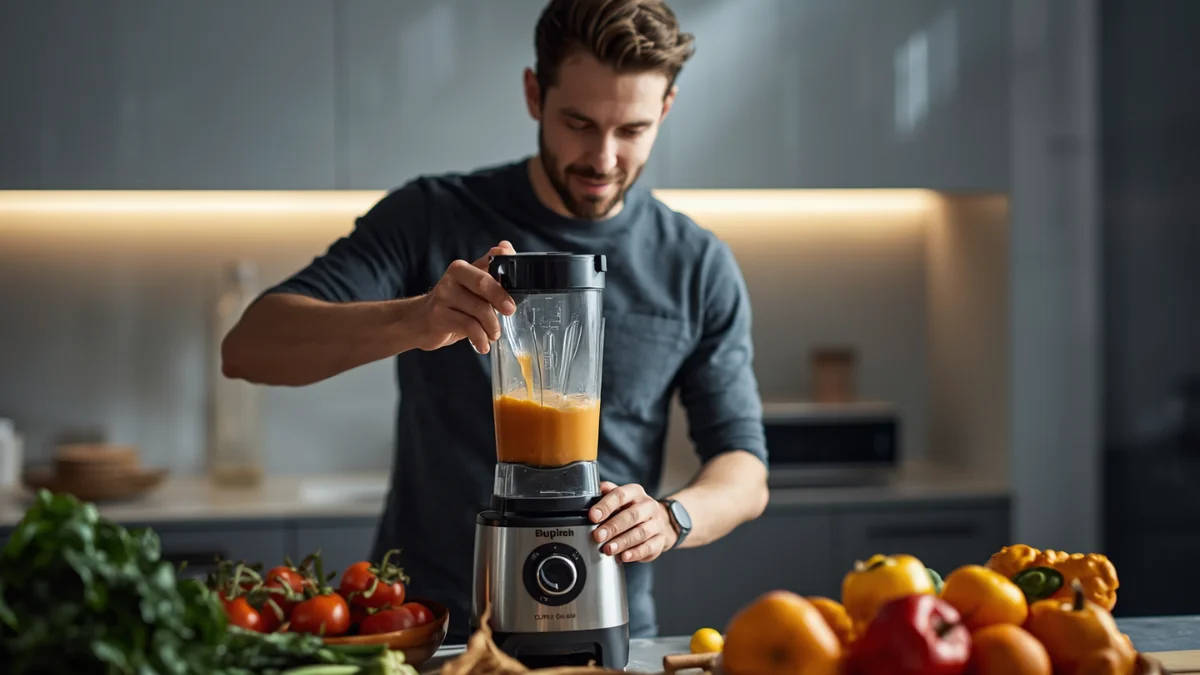
Yes — with precautions. You can use a personal blender for hot soup, but you should never add boiling liquid directly.
Let the soup cool to around 70°C (160°F) or below before blending. Fill the cup no more than halfway, hold the lid firmly, and blend in short pulses.
Personal blenders with vented lids, higher wattage (600W+), and BPA-free heat-resistant cups handle this task most safely.
That Steaming Bowl of Soup Might Be One Button Press Away — But There’s a Right Way to Do This
You’ve made a pot of creamy tomato soup. It’s hot, it’s ready, and your countertop blender is buried at the back of a cabinet. Your personal blender is right there.
The question seems simple: can you just use it?
The honest answer is — it depends. Personal blenders are not designed to handle boiling liquids. But with the right technique, temperature, and machine, many home cooks use a personal blender for hot soup every day without incident.
This guide covers what can go wrong, how to prevent it, and which personal blenders hold up best when soup is on the menu.
Can Personal Blenders Handle Hot Liquids?
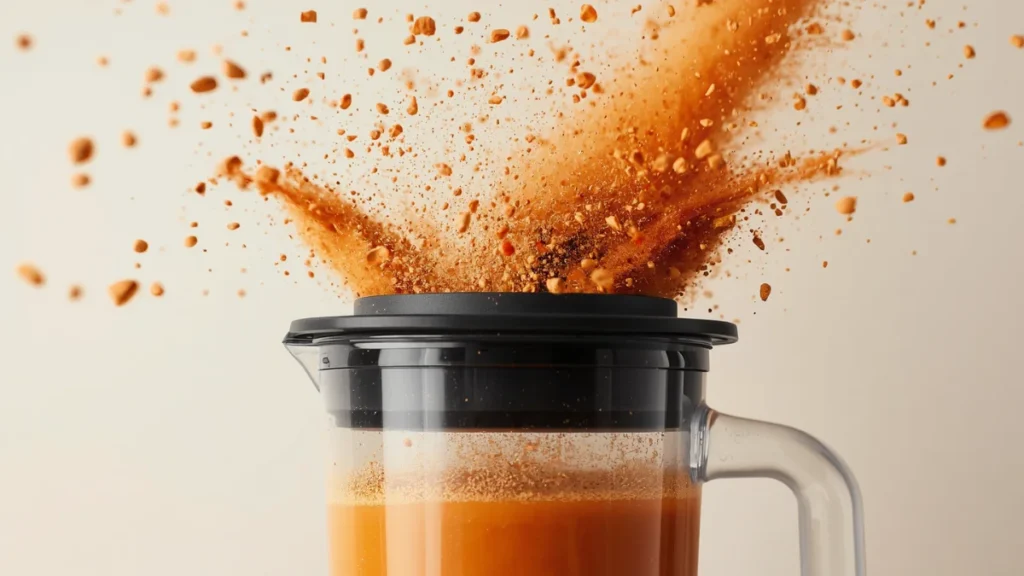
Steam pressure is the real danger — not heat alone.
When hot liquid spins at high speed in a sealed container, steam builds up faster than the lid can vent it. The result is a pressure spike that can blow the lid off mid-blend. Hot soup then goes in every direction — including toward you.
This is not a rare worst-case scenario. It’s a documented, recurring pattern of kitchen injuries. The physics are straightforward: hot liquid expands when agitated, steam has nowhere to go in a sealed cup, and pressure finds the weakest point, which is usually the lid seal.
Personal blenders carry a higher risk than countertop models for one structural reason: they’re smaller. Less volume means less room for pressure to distribute before it builds to a critical point.
Understanding this doesn’t mean personal blenders are off-limits for soup. It means the precautions below are non-negotiable, not optional.
Personal Blenders and Hot Soup: What You Need to Know
1. Never Blend Boiling Liquid
Boiling soup at 100°C (212°F) should never go directly into a personal blender cup. The steam volume generated at that temperature in a small, sealed vessel is too high.
Let the soup cool on the stovetop first. A simple 10–15-minute rest brings most soups into a safe blending range without affecting flavor or texture.
2. Stay Below 70°C (160°F)
This is the temperature range most manufacturers use as a guideline for “hot liquid” blending, and it aligns with what long-term users report as safe in practice. At this temperature, soup is still genuinely hot — too hot to drink immediately — but the steam volume is manageable if you follow the other steps.
If you have a kitchen thermometer, use it. If you don’t, a safe rule of thumb is: if you can hold your hand 5cm above the surface and feel steam but no burning, you’re in a reasonable range.
3. Fill the Cup Halfway — Maximum
Hot liquid expands. Steam takes up space. Filling the cup to the halfway mark gives pressure somewhere to go before it reaches the lid seal.
This is the step most people skip when they’re in a hurry. It’s also the step that makes the biggest difference.
4. Hold the Lid Down — Every Time
Even with a cooled-down soup and a half-filled cup, hold the lid firmly with a folded kitchen towel over your hand during blending. The towel absorbs any heat from escaping steam and gives you a better grip than your palm alone.
This is a standard technique for blending hot liquids in professional kitchens. It applies equally to personal blenders.
5. Blend in Short Pulses First
Don’t run the blender continuously from the start. Use two or three short pulses to break up the soup before running a full blend cycle. This releases trapped steam gradually instead of all at once.
6. Tilt the Cup Away From Your Face
When you remove the lid after blending, tilt the cup away from you first. Residual steam may be released when the seal breaks. Pointing the cup opening toward your face during that moment is an avoidable risk.
What to Look for in a Personal Blender If You Plan to Blend Hot Soup
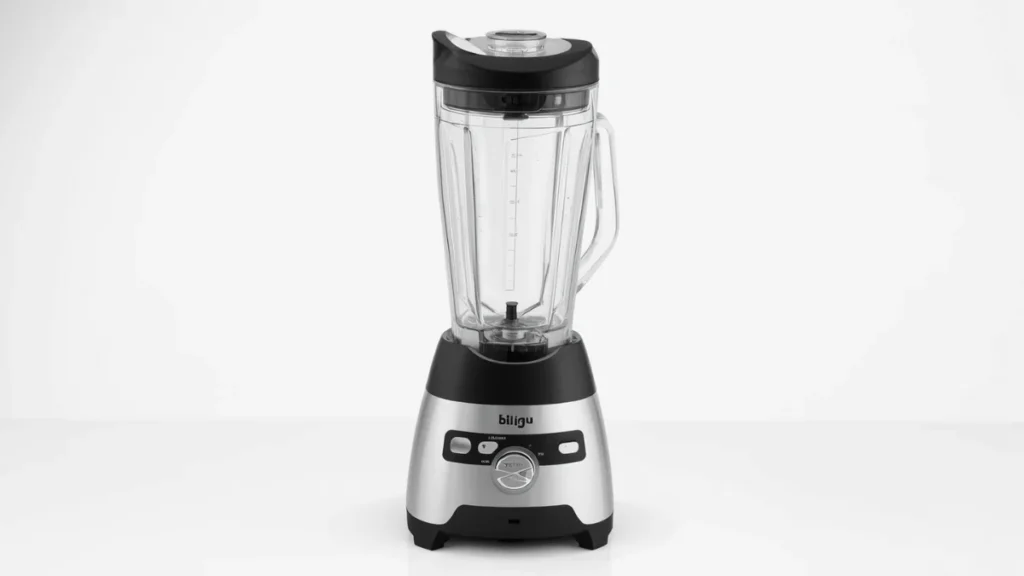
Not every personal blender is equally suited for hot liquid work. These are the features that actually matter:
Heat-resistant, BPA-free cups. Standard plastic cups can warp or leach chemicals when exposed to repeated heat cycles. Look for Tritan plastic or borosilicate glass cups, both of which are widely used in personal blenders marketed for hot-liquid use.
A vented or pressure-release lid. Some personal blender lids include a small vent or pressure-relief valve. This is the most useful safety feature for hot-liquid blending. It allows steam to escape in a controlled direction rather than building to a lid-failure event.
600W or higher motor. Thicker soups — especially bean-based, root-vegetable, or potato soups — place more load on the motor. A motor below 500W may stall or overheat before achieving a smooth result, leading to longer blend times and increased heat-related stress on the cup.
Secure lid lock mechanism. Twist-lock or bayonet-style lid fittings hold more reliably under pressure than simple push-on caps. Check user reviews, specifically for lid security during hot-liquid blending, before purchasing.
Wide cup base. A wider cup base provides better pressure distribution and reduces the focused steam column effect that narrow cups amplify.
Personal Blenders That Handle Hot Soup Well
Based on verified long-term user feedback and manufacturer specifications, these categories of personal blenders perform consistently with hot soup:
Single-serve blenders with glass cups hold up best for heat exposure over time. Glass is thermally stable, doesn’t absorb odors from soups, and shows no structural degradation with repeated use for hot liquids. The trade-off is weight and fragility if dropped.
High-wattage personal blenders (900W–1200W) — often positioned as “professional” or “pro-series” single-serve blenders — handle thick hot soups in fewer passes, which means less total time under heat-related stress.
Personal blenders with a separate “hot” or “soup” blend setting regulate motor speed specifically for hot-liquid work. This feature is rare but worth prioritizing if you plan to blend soup regularly.
Common Mistakes That Turn Soup Blending Into a Mess
Blending immediately off the stovetop. The most common cause of lid failures. The soup doesn’t need to be cold — just not boiling.
Overfilling the cup. There is no margin in a personal blender cup. If it says 600ml capacity, blend hot soup at 300ml.
Using a cracked or worn lid seal. Lid seals degrade over time, especially with heat exposure. If your lid seal shows any cracking or deformation, replace it before blending anything hot.
Ignoring the machine’s own guidelines. Most personal blender manuals include a maximum recommended temperature for liquids. Checking this takes 30 seconds and removes all guesswork about what the manufacturer has actually tested.
Frequently Asked Questions
Can I blend boiling soup in a personal blender?
No. Boiling liquid at 100°C creates steam pressure that a personal blender’s sealed cup cannot safely manage. Always cool soup to around 70°C (160°F) or below before blending. Even then, fill only halfway and hold the lid firmly.
What happens if I put hot liquid in a personal blender?
Steam pressure builds rapidly inside the sealed cup. If it exceeds what the lid seal can hold, the lid can suddenly release, spraying hot liquid. The risk increases with temperature, fill level, and a worn lid seal. This is why all the precautions in this guide matter together, not individually.
Is a personal blender or immersion blender better for hot soup?
An immersion (stick) blender is safer and more practical for blending large batches of hot soup directly in the pot. A personal blender works for single portions and smaller quantities, provided you follow the temperature and fill guidelines. For frequent soup blending, an immersion blender is the more purpose-built tool.
Can I use a NutriBullet or similar personal blender for hot soup?
NutriBullet’s official guidance advises against blending hot liquids above 35°C (95°F) in their standard cups, citing the pressure risk. However, many users report blending cooled-to-warm soups (around 60–70°C) in short pulses without issues. If you use any personal blender for hot soup, follow the full safety protocol in this guide regardless of brand.
What’s the safest material for a personal blender cup for hot soup?
Borosilicate glass is the most thermally stable material and the safest for repeated use with hot liquids. Tritan BPA-free plastic is a practical second choice. Standard clear plastic cups — common on budget personal blenders — are the least suitable for repeated heat exposure.
The Bottom Line
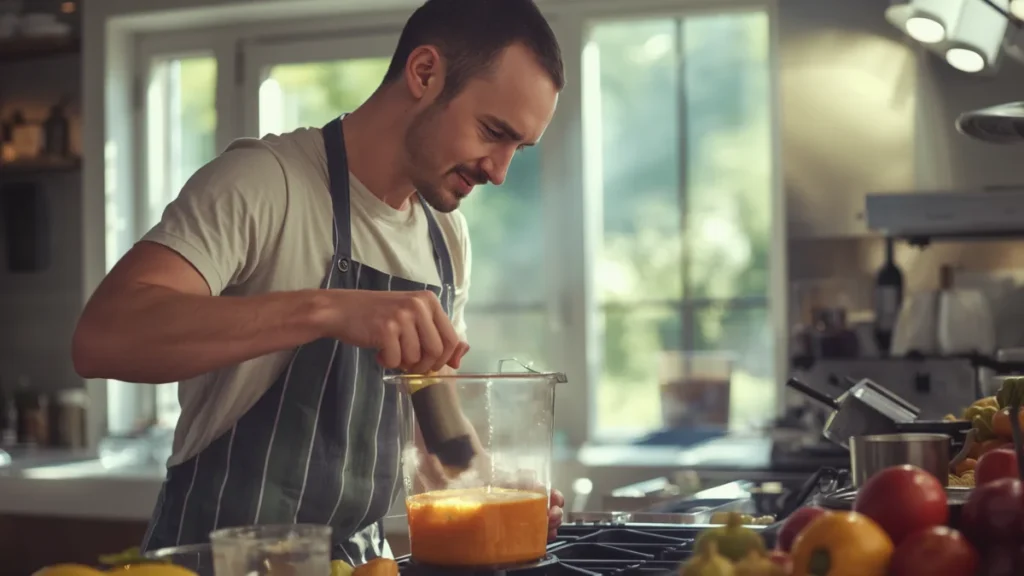
A personal blender for hot soup is not an unreasonable choice. It’s a practical solution for single-serving soups, small batch blending, and kitchens where counter space rules out a larger machine.
But the safety margin is tighter than with a countertop blender. Smaller cups mean less room for error on temperature and fill level. The precautions in this guide — cooling to 70°C, filling halfway, holding the lid, pulsing first — are not optional steps for extra caution. They’re the difference between a smooth bowl of soup and a kitchen incident.
Follow them consistently, choose a blender with the right features for the job, and a personal blender handles hot soup reliably.
Related Reading: