Quick Answer
Descaling a coffee maker removes mineral buildup caused by hard water, helping improve coffee taste and machine performance.
Commercial descalers work faster and are designed specifically for coffee machines, while natural solutions like white vinegar or lemon juice are more affordable and eco-friendly.
Most coffee makers should be descaled every 1–3 months.
Understanding why descaling matters will help you maintain your coffee maker more effectively and catch problems before they affect your daily brew.
Why You Should Descale Your Coffee Maker Regularly
If your coffee maker has started brewing slowly, making weak coffee, or producing unusual flavors, mineral buildup may be the problem.
Over time, hard water leaves behind calcium and limescale deposits inside the machine. These deposits can:
- Reduce brewing temperature
- Slow down the water flow
- Affects coffee flavor
- Cause bitter or metallic tastes
- Increase wear on internal components
- Shorten the lifespan of the coffee maker
Learning how to descale a coffee maker properly helps maintain brewing performance while keeping your coffee tasting clean and fresh.
Catching the problem early makes descaling easier and more effective. Watch for these warning signs to know when it’s time to act.
Regular descaling prevents these issues, but how do you know when it’s actually time to descale? Catching the problem early makes descaling easier and more effective.
Signs Your Coffee Maker Needs Descaling
Your coffee maker may need descaling if you notice:
- Slower brewing times
- Strange noises during brewing
- Coffee tasting bitter or stale
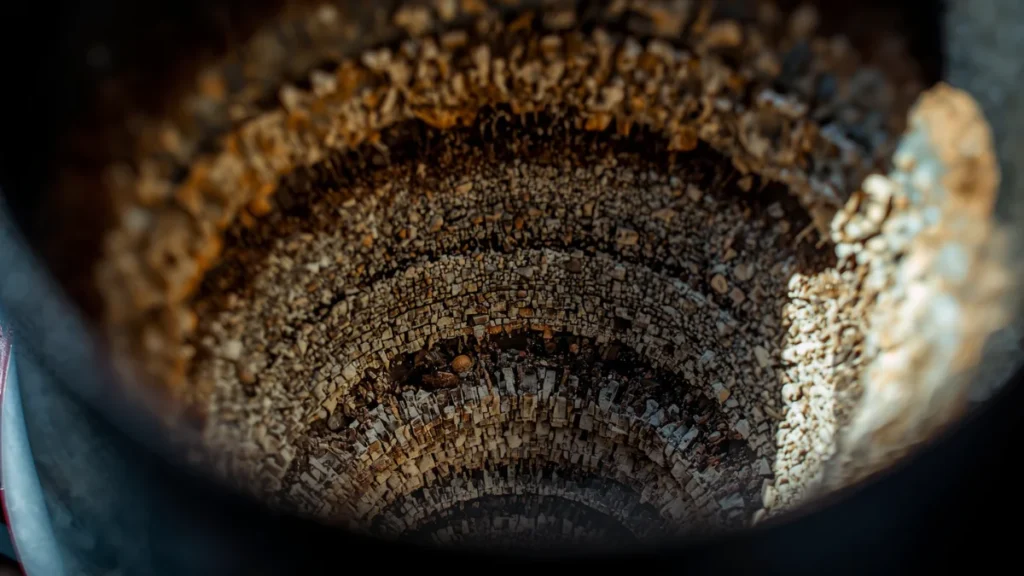
- White mineral residue inside the reservoir
- Inconsistent brewing temperatures
- Smaller coffee output than usual
In hard water areas, these symptoms can appear much faster.
Once you’ve identified the need to descale, the next step is choosing the right descaling solution for your situation. Both commercial and natural methods work, but each has distinct advantages depending on your needs and budget.
Commercial vs. Natural Coffee Maker Descalers
| Feature | Commercial Descaler | Natural Solutions |
|---|---|---|
| Cleaning Speed | Fast | Moderate |
| Effectiveness on Heavy Buildup | Excellent | Good for light to moderate buildup |
| Cost | Higher | Budget-friendly |
| Odor | Usually mild | Vinegar smell may linger |
| Eco-Friendliness | Depends on formula | Excellent |
| Machine Compatibility | Often manufacturer-approved | Some brands discourage vinegar |
| Best For | Frequent users and heavy scaling | Light maintenance cleaning |
Now that you understand the key differences, let’s walk through the exact process for each method, starting with commercial descalers.
How to Descale a Coffee Maker Using Commercial Descaler
Commercial descalers are formulated to quickly dissolve mineral deposits without damaging coffee machine components.
Step-by-Step Instructions
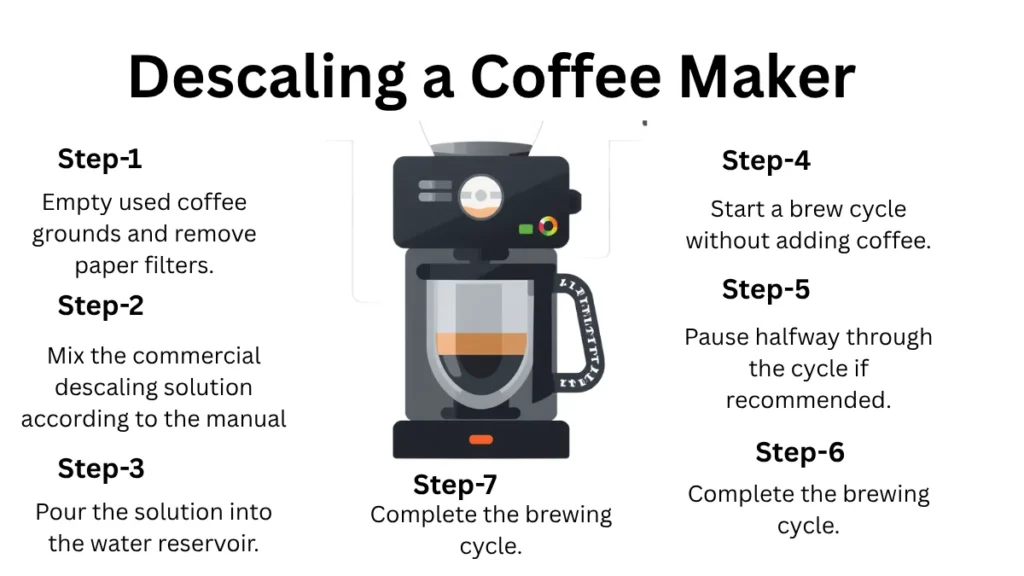
Commercial descalers are formulated to quickly dissolve mineral deposits without damaging coffee machine components.
Step-1
Empty used coffee grounds and remove paper filters.
Step-2
Mix the commercial descaling solution according to the manufacturer’s instructions.
Step-3
Pour the solution into the water reservoir.
Step-4
Start a brew cycle without adding coffee.
Step-5
Pause halfway through the cycle if recommended.
Step-6
Complete the brewing cycle.
Step-7
Discard the used solution.
Step-8
Rinse the reservoir thoroughly.
Step-9
Run 2–3 fresh water cycles to remove any remaining residue.
Pros of Commercial Descalers
- Fast and highly effective
- Designed specifically for coffee machines
- Often safer for internal components
- Better for heavy mineral buildup
- Usually leaves less odor
Cons of Commercial Descalers
- More expensive than household solutions
- Some contain stronger chemical ingredients
- Requires purchasing specialized products
How to Descale a Coffee Maker Naturally Using Vinegar or Lemon Juice
Natural descaling solutions are popular because they are inexpensive, easy to find, and environmentally friendly.
Using White Vinegar

- Mix equal parts white vinegar and water.
- Pour the mixture into the water reservoir.
- Run a brew cycle without coffee grounds.
- Let the solution sit inside the machine for 15–30 minutes.
- Finish the brewing cycle.
- Empty and rinse the carafe and reservoir.
- Run 2–3 clean water cycles until the vinegar smell disappears.
Using Lemon Juice
Lemon juice works similarly but leaves a fresher scent.
- Mix equal parts lemon juice and water.
- Run a full brewing cycle.
- Allow the solution to sit briefly.
- Flush thoroughly with fresh water.
Pros of Natural Descaling
- Affordable and widely available
- Eco-friendly cleaning option
- Non-toxic household ingredients
- Effective for routine maintenance
Cons of Natural Descaling
- May require extra rinse cycles
- Vinegar odor can linger
- Less effective on severe limescale buildup
- Some manufacturers discourage frequent vinegar use
Which Descaling Method Is Better?
The best method depends on your coffee maker, water hardness, and cleaning preferences.
Choose a commercial descaler if:
- You have heavy mineral buildup
- You use your coffee maker daily
- Your manufacturer recommends specific descaling products
- You want faster cleaning results
Choose natural solutions if:
- You prefer eco-friendly cleaning
- You want a low-cost option
- Your coffee maker only needs light maintenance
- You do not mind additional rinsing
For many households, alternating between natural cleaning and occasional commercial descaling works well.
Step-by-Step Quick Guide: How to Descale Coffee Maker
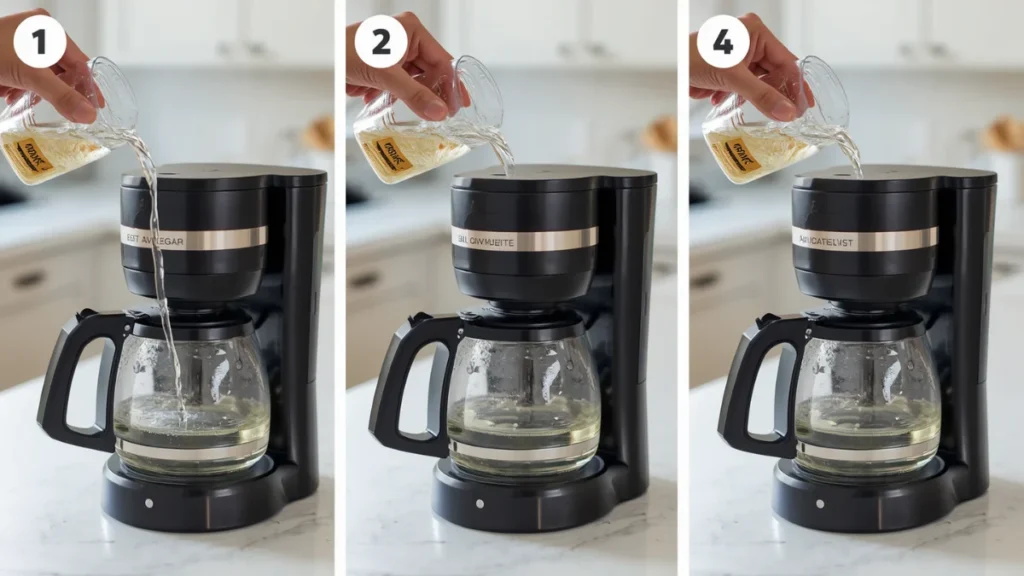
- Empty the coffee maker completely.
- Prepare your descaling solution.
- Fill the reservoir.
- Run a brew cycle without coffee.
- Allow the solution to work inside the machine.
- Complete the cycle.
- Empty and rinse thoroughly.
- Run multiple fresh water cycles.
- Brew fresh coffee normally.
Now that you know how to descale, the next question is timing—how frequently should you actually do this?
How Often Should You Descale a Coffee Maker?
Most coffee makers should be descaled every 1–3 months.
However, frequency depends on:
- Water hardness
- Brewing frequency
- Machine type
- Filter usage
General Guidelines
| Usage Level | Recommended Descaling Frequency |
| Daily use with hard water | Every month |
| Moderate use | Every 2 months |
| Light use with filtered water | Every 3 months |
If your machine has a cleaning indicator, follow the manufacturer’s recommendation.
Beyond sticking to a descaling schedule, a few simple habits can help minimize buildup in the first place and keep your machine cleaner longer.
Tips to Reduce Mineral Buildup
You can reduce limescale buildup and extend the time between cleanings by:
- Using filtered or softened water
- Emptying standing water daily
- Cleaning removable parts weekly
- Avoiding mineral-heavy tap water when possible
- Following the manufacturer’s maintenance instructions
Regular maintenance also helps improve the consistency of coffee flavor.
Even with the right method and good habits, certain missteps can undermine your efforts or even damage your machine. Here’s what to watch out for.
Common Descaling Mistakes to Avoid
Skipping Rinse Cycles
Residual vinegar or descaler can affect the taste of coffee.
Using Harsh Chemicals
Avoid bleach or aggressive household cleaners inside coffee makers.
Ignoring Manufacturer Instructions
Some coffee makers specifically recommend or prohibit certain cleaning methods.
Waiting Too Long Between Cleanings
Heavy limescale buildup becomes harder to remove and may damage internal components.
If you still have questions about descaling—or want quick answers to common concerns—the following FAQ section covers the most frequent reader questions.
Frequently Asked Questions
How often should I descale my coffee maker?
Most coffee makers should be descaled every 1–3 months, depending on water hardness and usage frequency.
Can I use vinegar to descale my coffee maker?
Yes. White vinegar is one of the most common natural descaling solutions, though it requires thorough rinsing afterward.
Is lemon juice better than vinegar?
Lemon juice leaves a fresher smell and works well for light buildup, but vinegar is usually stronger for removing mineral deposits.
Can descaling improve coffee taste?
Yes. Removing mineral buildup helps restore proper brewing temperatures and cleaner water flow, improving flavor quality.
Why does my coffee maker still smell like vinegar?
You may need additional rinse cycles. Run fresh water through the machine several times until the odor disappears.
Can descaling fix slow brewing?
Often yes. Mineral buildup can partially block water lines and reduce brewing speed.
Are commercial descalers safe?
Most coffee machine descalers are specifically designed for safe use, but always check your manufacturer’s recommendations.
Armed with these answers and a clear descaling routine, you’re ready to keep your coffee maker in top shape for the long haul.
Final Thoughts
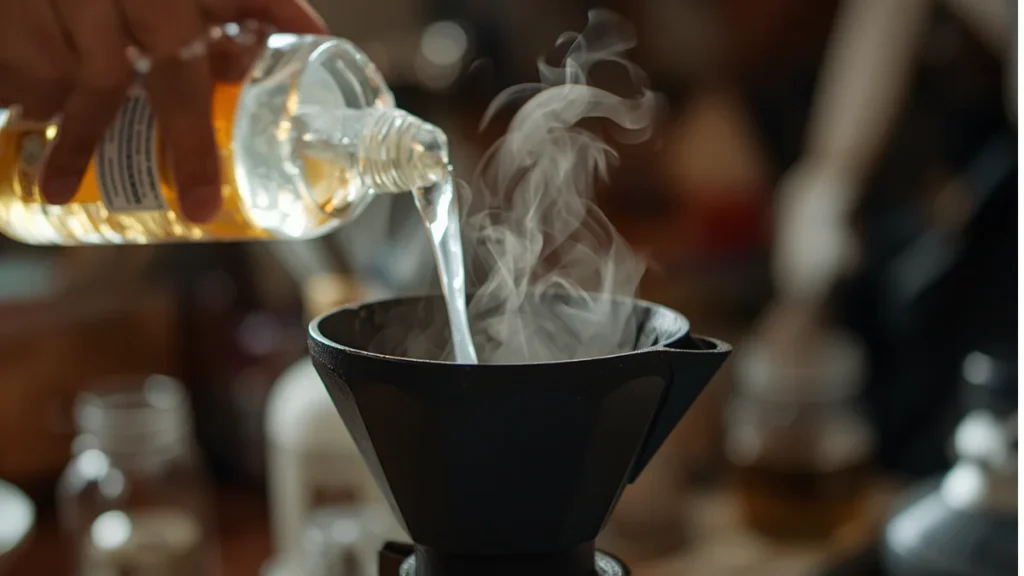
Regular descaling is one of the simplest ways to keep your coffee maker brewing efficiently and producing better-tasting coffee.
Commercial descalers provide faster, deeper cleaning for heavy mineral buildup, while natural solutions like vinegar or lemon juice offer an affordable, eco-friendly alternative for routine maintenance.
Whether you use a drip coffee maker, single-serve machine, or programmable brewer, consistent descaling can help extend your machine’s life and improve every cup you brew.
For even better coffee results, consider pairing regular descaling with proper grinder cleaning, fresh coffee beans, and filtered water.