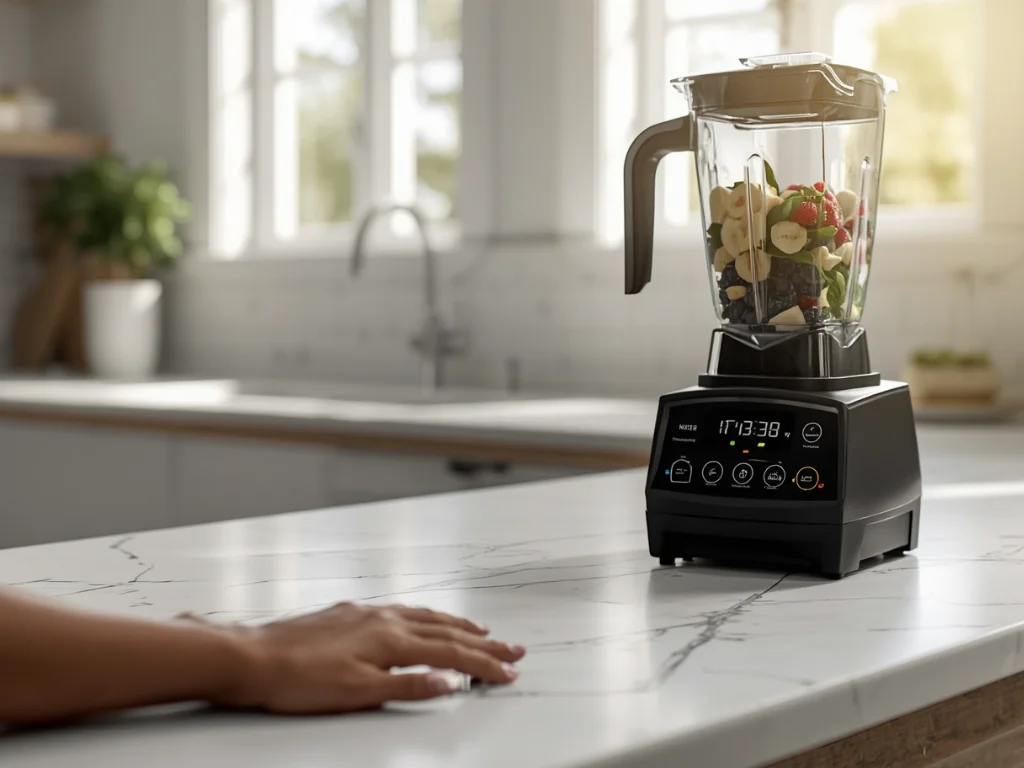
Your blender turns on. The motor hums. The lights work. But the blade won’t spin — leaving your smoothie ingredients sitting there untouched.
The good news? A blender blade that won’t spin is usually easy and inexpensive to fix. In most cases, the problem comes down to one of a few common issues: an overloaded jar, a worn drive coupling, food buildup around the blade shaft, or a safety lock problem. Most fixes take less than 30 minutes and require no special repair experience.
This step-by-step blender troubleshooting guide walks you through exactly what to check, how to diagnose the issue, and when it’s smarter to repair the blender versus replace it.
Quick Answer: Blender Blade Won’t Spin?
A blender blade that won’t spin is usually caused by one of these things:
- An overloaded jug
- A worn drive coupling
- Food buildup around the blade shaft
- A seized blade assembly
- A burnt-out motor, or
- A safety interlock that isn’t engaging properly
In most cases, you can fix the problem at home in under 30 minutes without replacing the blender.
Quick Diagnosis: Why Your Blender Blade Won’t Spin
| Symptom | Most Likely Cause | Difficulty |
|---|---|---|
| Motor hums but blades don’t move | Broken drive coupling | Easy |
| Blades move slowly or inconsistently | Food buildup or worn bearing | Easy |
| Blender stopped after crushing ice | Overloading or overheating | Easy |
| Blender clicks but won’t blend | Safety interlock issue | Easy |
| No sound at all | Motor or power problem | Motor hums, but blades don’t move |
Jump to Your Blender Problem
- Blender motor runs, but the blades don’t spin
- Blender struggles with frozen ingredients
- Blender creates harsh screeching or clattering sounds
- Blender spins intermittently with sluggish movements
- Blender safety lock isn’t engaging
- Blender motor overheated
- Blender stopped permanently after overheating
Why Blender Blades Stop Spinning
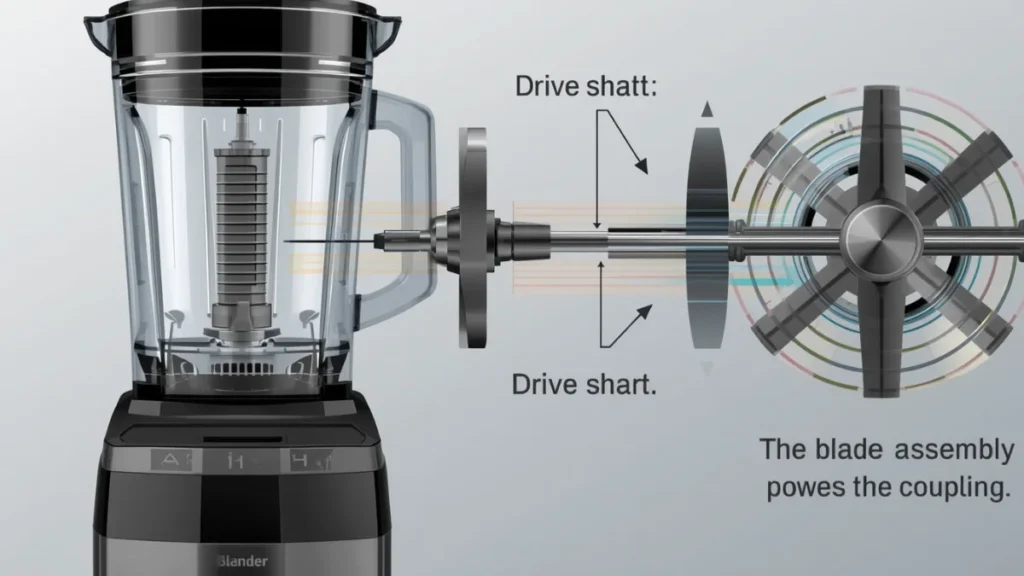
A blender blade system is mechanically simple. The motor spins a drive shaft, which connects to a drive coupling that powers the blade assembly inside the jar. If any part of that chain fails — or if the blades encounter too much resistance — the blades stop spinning even though the motor still runs.
In most cases, the failure is not the motor itself. The problem is usually a small replaceable component that costs far less than a new blender.
This troubleshooting guide is based on manufacturer repair documentation, appliance maintenance references, and recurring real-world failure patterns reported across major blender brands, including Ninja, Vitamix, Oster, NutriBullet, and KitchenAid
Before You Start: Unplug the Blender
Always unplug the blender before inspecting the blades, removing the jar, or touching the drive coupling.
Even a small kitchen blender has enough torque to cause serious injury if the motor activates unexpectedly while your hands are near the blade assembly.
1. The Blender Is Overloaded

This is one of the most common reasons a blender blade stops spinning.
If the jar is packed tightly with:
- frozen fruit
- ice
- nut butter
- protein powder
- or dense vegetables
The blades may not have enough room or liquid flow to rotate properly.
Signs of Overloading
- Loud straining or whining sound
- Motor hums, but blades barely move
- Blender stops while making thick smoothies
- Blender struggles with frozen ingredients
How to Fix It
- Remove about one-third of the contents.
- Add more liquid.
- Start on a lower speed setting.
- Pulse briefly before continuous blending.
If the blades begin spinning normally after reducing the load, the issue was simply too much resistance inside the jar.
Beginner Tip
Always add liquid before solids. This helps create circulation around the blade assembly and reduces stress on the motor and coupling.
If you regularly blend frozen fruit or thick smoothie bowls, a higher-powered model may prevent repeated strain and premature wear.
Related Reading:
→ Best Blenders for Frozen Fruit and Ice
→ Best Smoothie Blenders for Daily Use
2. The Drive Coupling Is Worn or Broken
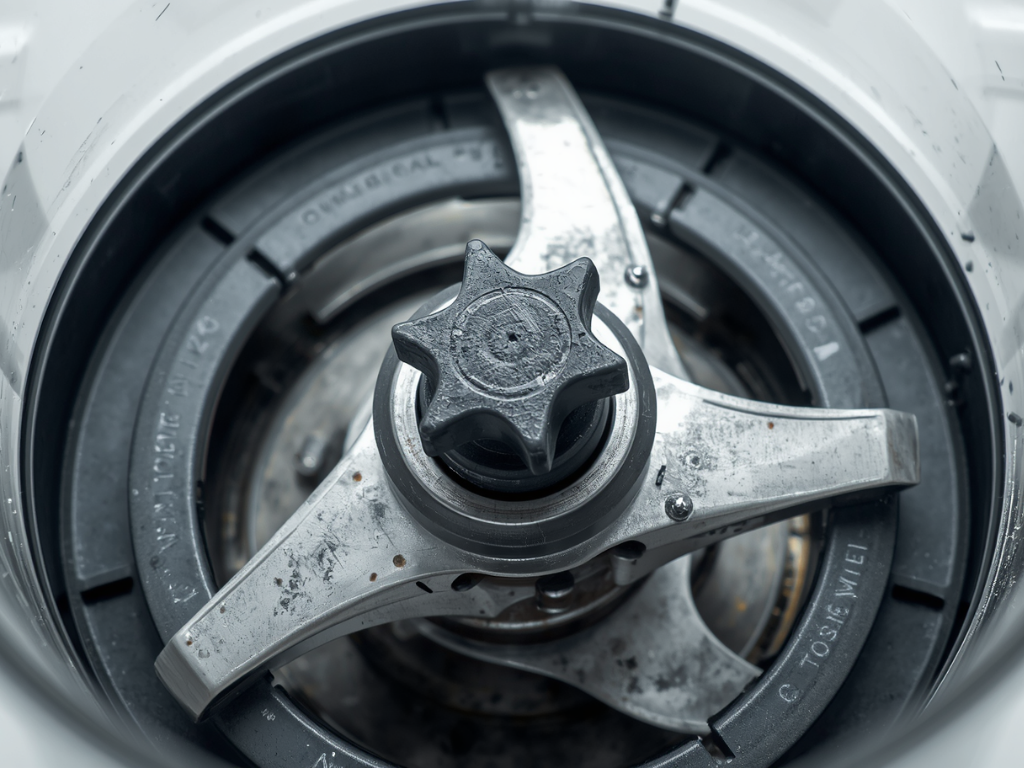
If the motor sounds perfectly normal but the blades do not move at all, the drive coupling is the most likely culprit.
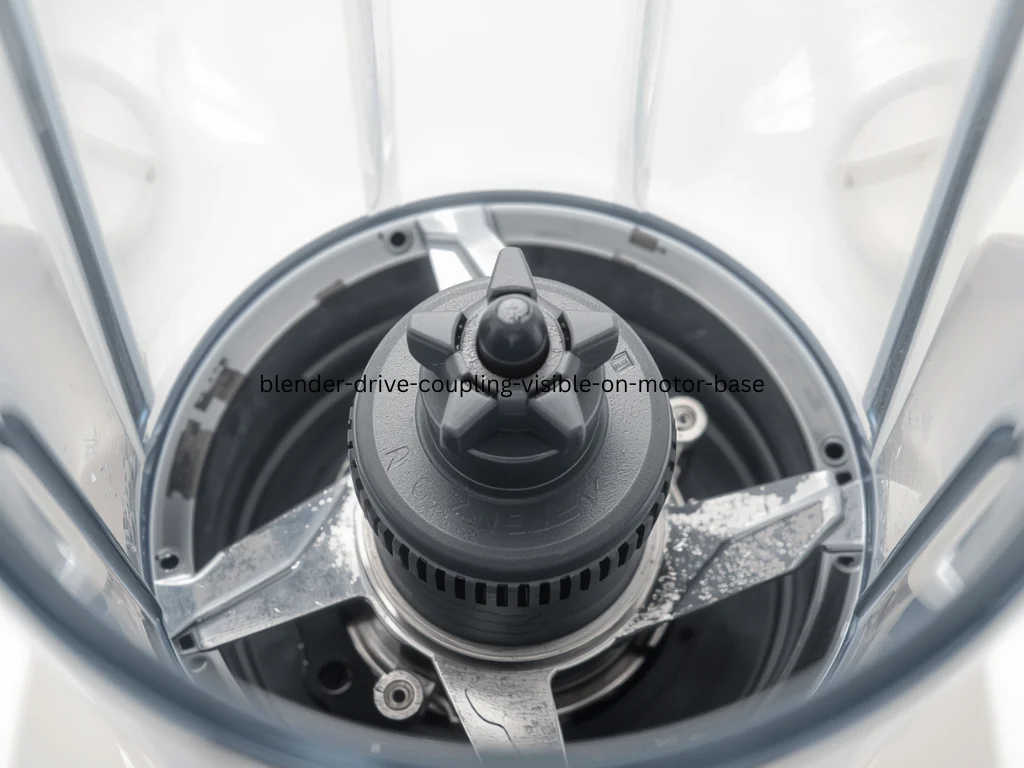
The drive coupling is the small plastic or rubber connector located on top of the blender motor base. It transfers the motor’s spinning force to the blade assembly.
Drive couplings are intentionally designed to fail before the motor does. Over time, the repeated stress of crushing ice and frozen ingredients can crack or wear them down.
How to Check the Drive Coupling
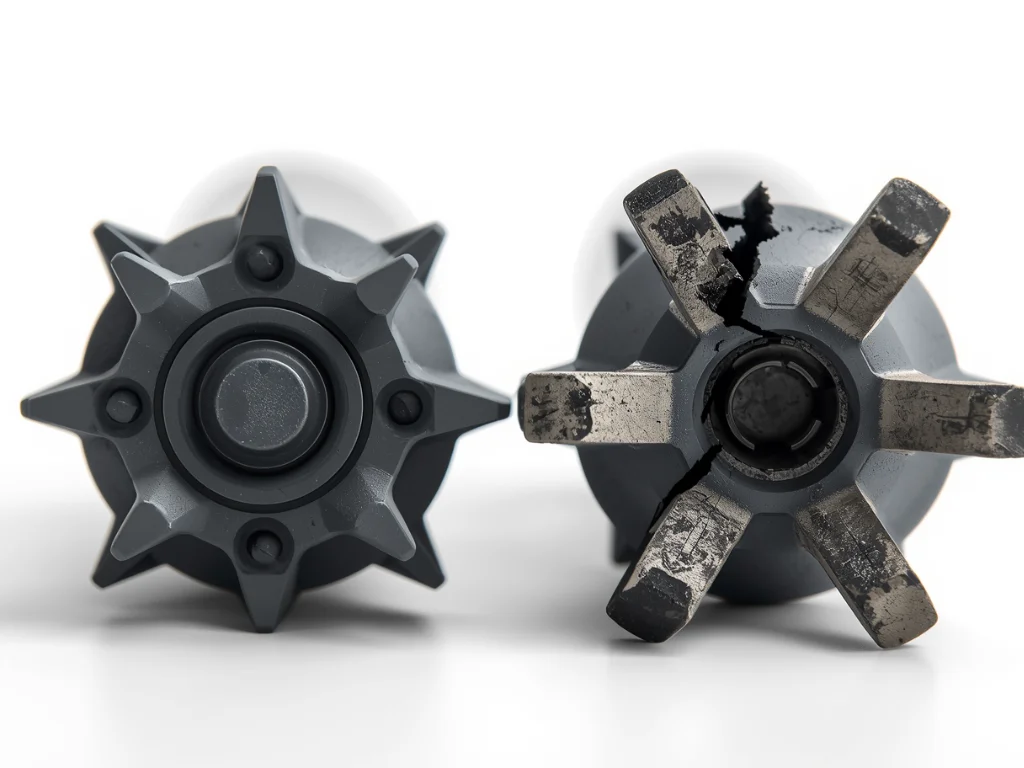
Remove the blender jar and inspect the coupling on the motor base.
Look for:
- cracks,
- rounded-off teeth,
- stripped prongs,
- wobbling,
- or loose spinning.
A damaged coupling often causes the motor shaft to spin freely without turning the blades.
How to Fix It
Replace the coupling with a model-specific replacement part.
Most blender drive couplings:
- cost between $5–12,
- are widely available online,
- and usually take less than 10 minutes to install.
Search using your exact blender model number, usually found underneath the base.
When This Keeps Happening
If you repeatedly destroy couplings while blending frozen ingredients, your blender may simply be underpowered for your usage habits.
Related Reading:
→ Best Heavy-Duty Blenders for Ice and Frozen Fruit
3. Food Buildup Has Seized the Blade Assembly
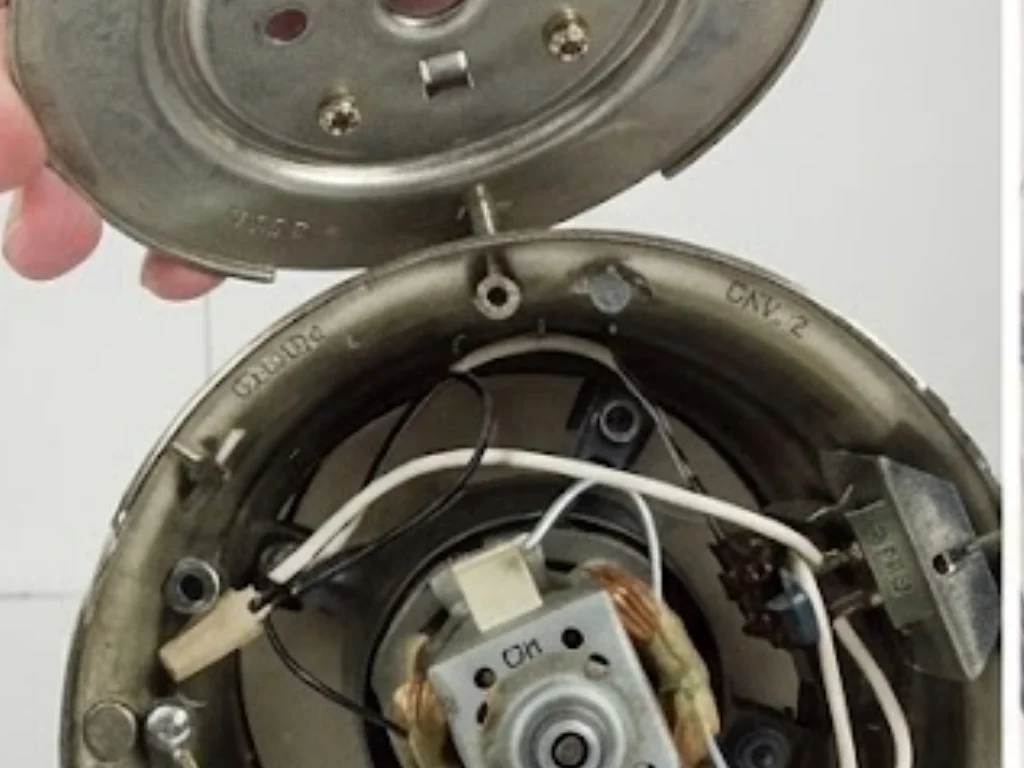
Protein powder, nut butter, banana residue, and thick smoothie ingredients can gradually harden around the blade shaft.
Over time, this buildup creates enough friction to stop the blades from spinning freely.
This is especially common in blenders used daily for:
- protein shakes,
- smoothie bowls,
- nut-based recipes,
- or meal-prep blending.
Signs of a Seized Blade Assembly
- Blades feel stiff when turned by hand
- Grinding sensation during blending
- Sluggish blade movement
- Intermittent spinning
How to Fix It
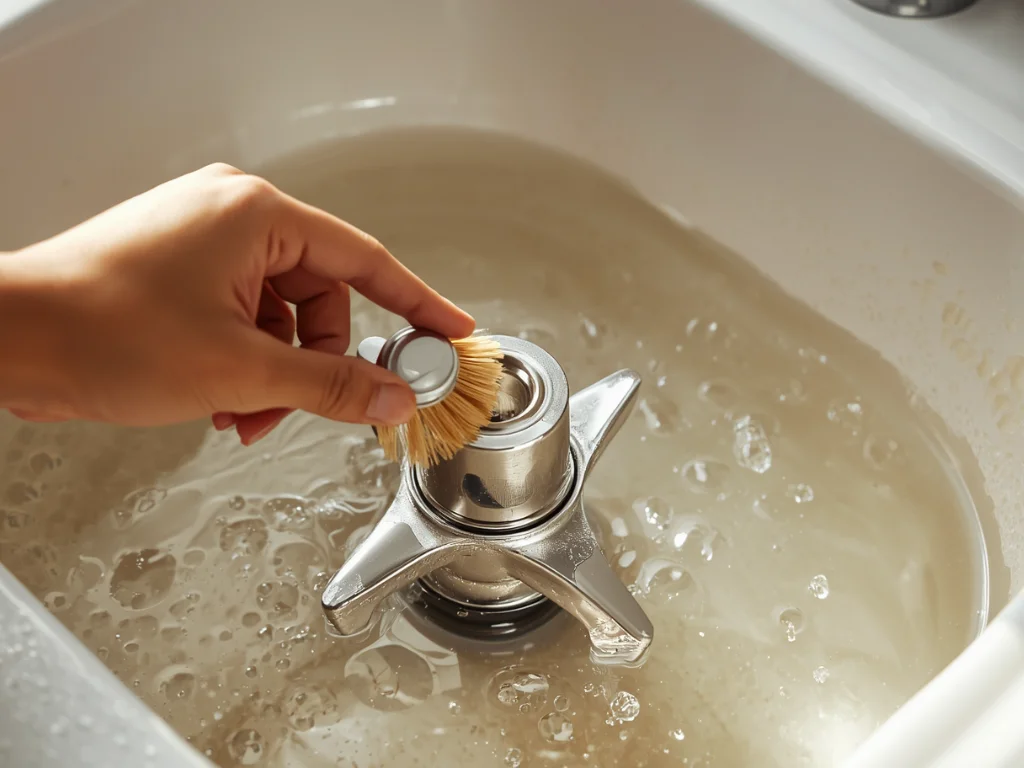
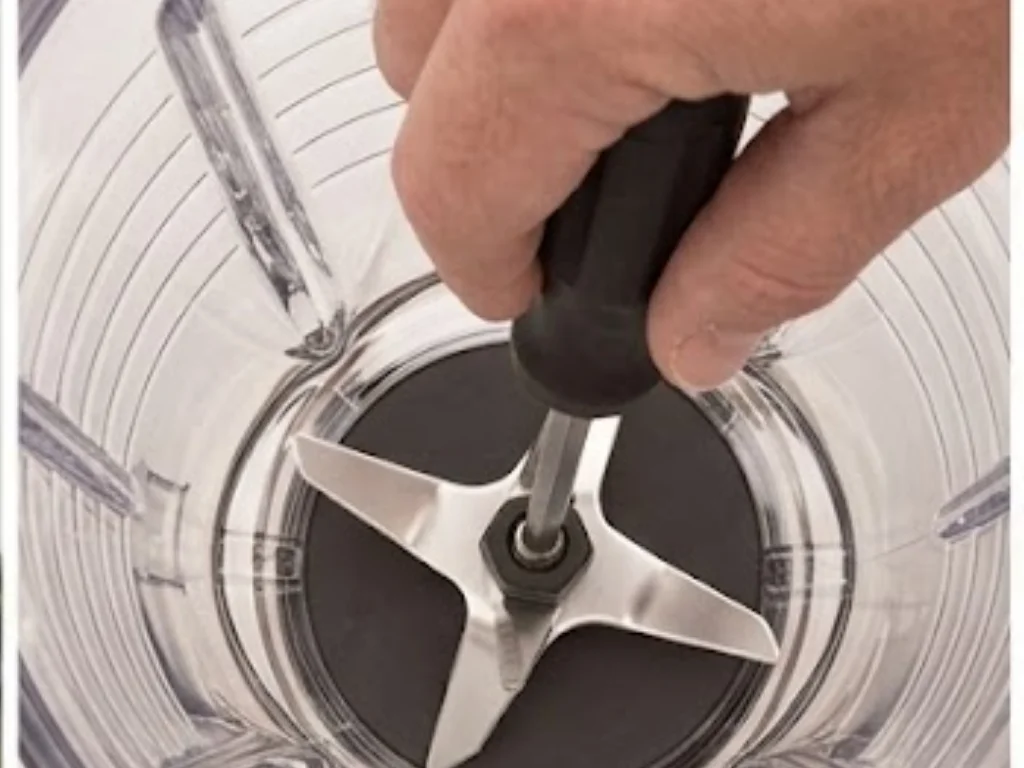
- Remove the blade assembly from the bottom of the jar.
- Soak it in warm, soapy water for 20–30 minutes.
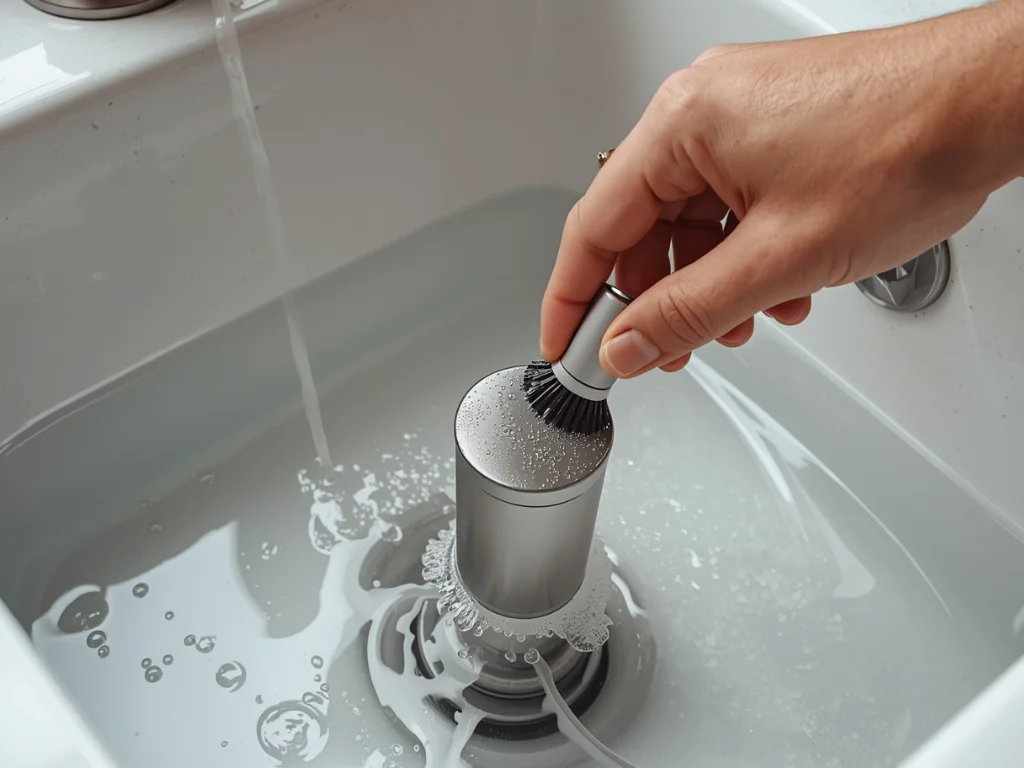
- Scrub around the central shaft using a bottle brush.
- Rinse thoroughly.
- Allow all parts to dry completely before reassembly.
If the blades still feel rough or wobbly afterward, the bearing may be worn out, and the assembly should be replaced.
Replacement blade assemblies are usually much cheaper than replacing the entire blender.
Preventive Tip
Deep-cleaning the blade shaft regularly prevents buildup from turning into permanent seizure.

Related Reading:
→ How to Clean a Blender Properly
4. The Blender Safety Lock Isn’t Engaging
Most modern blenders include a safety interlock system that prevents operation unless the jar is seated correctly.
If the locking mechanism becomes dirty or misaligned, the blender may:
- hum,
- click,
- or partially engage,
without fully spinning the blades.
How to Check the Safety Interlock
- Remove and reseat the jar firmly.
- Listen for a locking click.
- Inspect the locking tabs for dried food debris.
- Clean the locking area with a damp cloth.
Sometimes, even a small piece of hardened food can prevent proper alignment.
If the blender only works when you press down on the jar manually, the interlock mechanism is likely the issue.
5. The Blender Motor Overheated
Some blenders include thermal overload protection. When the motor gets too hot, it automatically shuts down to prevent permanent damage.
This commonly happens when:
- blending thick mixtures for too long,
- making hot soup,
- crushing large amounts of ice,
- or running continuously for several minutes.
Signs of Overheating
- Blender suddenly stops mid-use
- Warm or hot motor base
- Temporary shutdown
- Burning smell from excessive strain
What to Do
- Unplug the blender.
- Let it cool for 15–30 minutes.
- Try again with a lighter load.
If the blender works normally afterward, the thermal protection system likely activated correctly.
Important
A mild overheated smell after heavy blending can happen occasionally.
A strong burning electrical smell is different and should never be ignored.
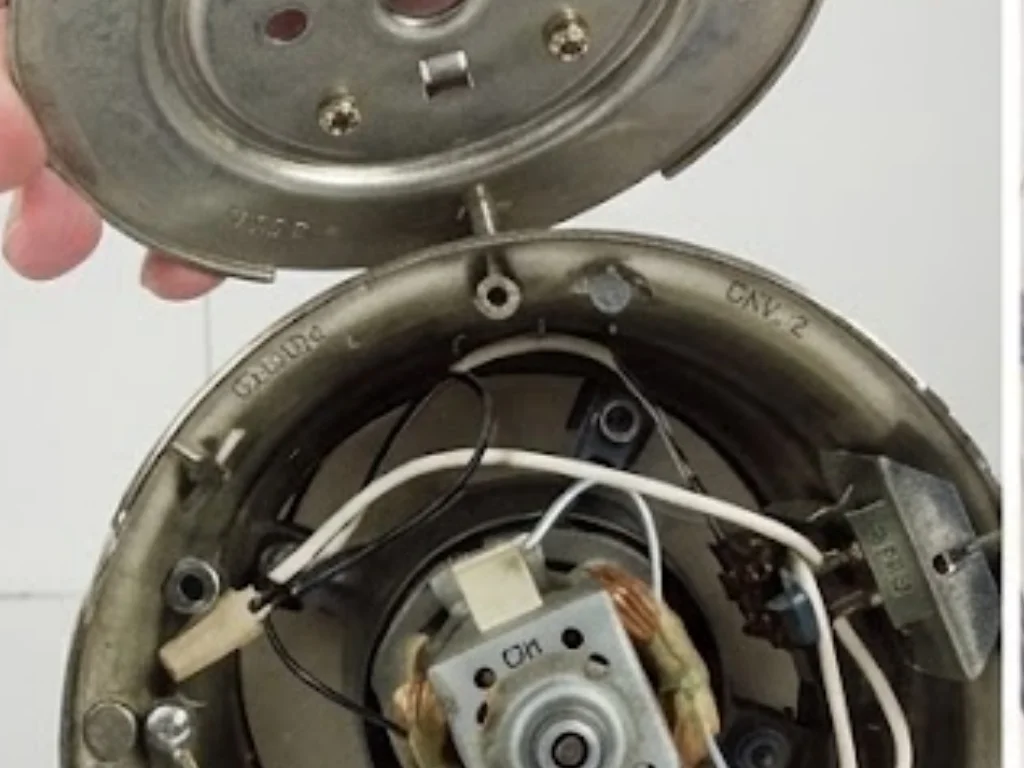
6. The Motor Has Failed
Motor failure is the least common cause of a blender blade not spinning — but it does happen, especially in older or heavily used blenders.
Signs of Motor Failure
- No sound at all
- Grinding noises
- Electrical burning smell
- Blender stopped permanently after overheating
- Repeated shutdowns even with light loads
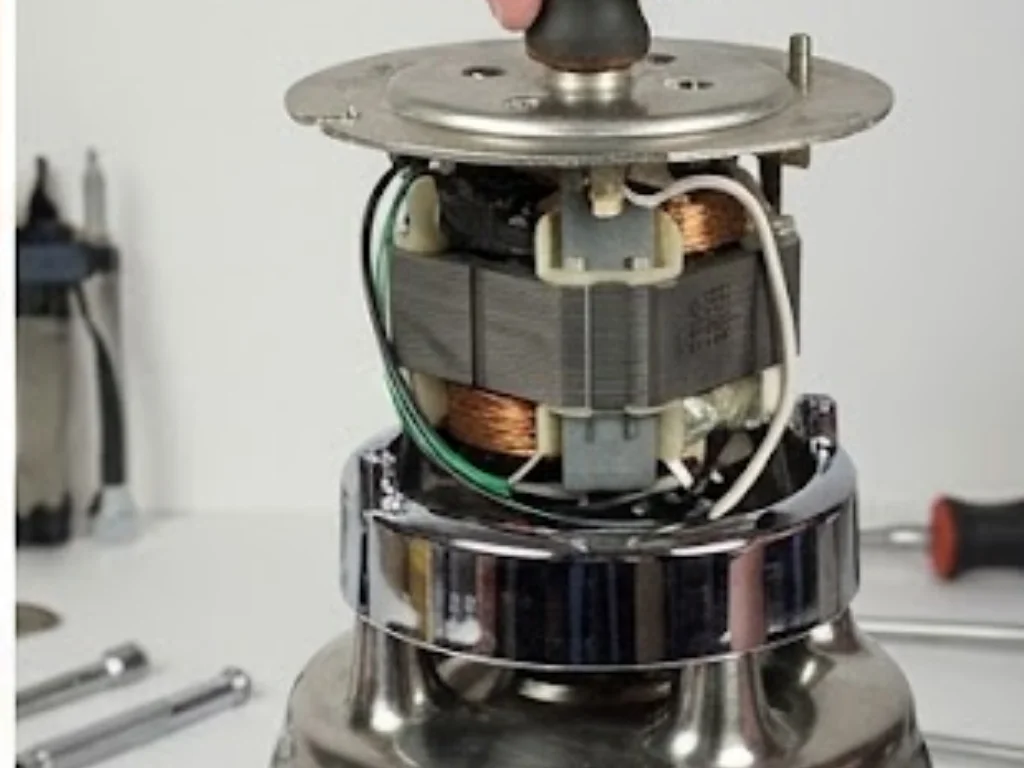
Should You Repair or Replace It?
For premium blenders, professional repair may still make financial sense.
For low-cost blenders, replacement is often more practical.
Repair vs Replace: What Makes Financial Sense?
| Problem | Typical Repair Cost | Usually Worth Fixing? |
|---|---|---|
| Drive coupling | $5–12 | Yes |
| Blade assembly | $15–30 | Usually |
| Safety switch | $10–25 | Sometimes |
| Motor replacement | $80–150 | Often no |
As a general rule:
- Premium blenders are usually worth repairing.
- Budget blenders with motor failure are often cheaper to replace.
Common Blender Troubleshooting Mistakes
Repeatedly Running the Blender
If the blades are jammed, repeatedly running the motor can generate additional heat and strain, potentially causing permanent damage to the motor.
Ignoring a Burning Smell
A strong burning smell is a warning sign. Stop immediately and unplug the blender.
Using the Wrong Replacement Part
Drive couplings and blade assemblies are highly model-specific. Always match the exact model number.
Reassembling While Wet
Water inside the motor base can cause electrical problems. Always allow components to dry fully before use.
Related Reading:
→ 7 Blender Mistakes That Ruin Smoothies (and How to Fix Them)
How to Prevent Blender Blade Problems
Most blender blade issues are preventable with basic maintenance.
Best Practices
- Add liquid before solids
- Avoid overpacking the jar
- Don’t run continuously for several minutes
- Clean the blade shaft regularly
- Avoid crushing ice in low-powered blenders
- Inspect the drive coupling occasionally
- Allow the motor to cool between heavy blending sessions
These habits reduce strain on:
- the motor,
- coupling,
- bearings,
- and blade assembly.
When a Blender Upgrade Makes More Sense
Sometimes recurring problems are a sign that your blender no longer matches your usage needs.
If you frequently:
- blend frozen fruit,
- crush ice,
- make nut butter,
- or prepare thick smoothie bowls,
A more powerful blender may save money in the long term by avoiding repeated repairs.
Related Reading:
→ Smoothie Tips and Ingredients
→ Best Affordable Blenders That Actually Work
→ Blender vs Food Processor: Which Do You Actually Need?
Frequently Asked Questions
Why does my blender hum but not blend?
A humming blender that won’t blend almost always has a failed drive coupling — the small plastic connector between the motor shaft and the blade assembly. The motor is running fine, but the broken coupling can’t transfer that rotation to the blades. Remove the jug, inspect the coupling on the motor base, and look for cracks or worn prongs.
Can a blender motor run without spinning the blades?
Yes — and it happens more often than people expect. If the drive coupling is cracked or stripped, the motor spins freely but transmits no torque to the blade assembly, so the blades remain completely still while the motor hums normally. This is the most common reason a blender blade won’t spin, even when the motor is working.
Why did my blender stop working after crushing ice?
Crushing ice puts extreme stress on the drive coupling, which is designed as a deliberate “weak link” to protect the motor. Repeated ice-crushing sessions wear the coupling down until it cracks or strips entirely — after which the motor runs but the blades won’t move. Replace the drive coupling first; if the blender still won’t work after that, the motor may have overheated and needs time to cool or a professional assessment.
Is a burnt blender smell dangerous?
Yes — stop using the blender immediately and unplug it. A burning smell indicates the motor is overheating or the electrical windings are failing, both of which are fire and shock hazards if the blender continues running. Don’t use it again until the cause is identified, and check whether it’s still under warranty before spending money on repair.
Can I replace a blender coupling myself?
Yes — it’s one of the easiest appliance repairs you can do at home. Most couplings simply press or snap into place on the drive shaft, requiring no tools at all; some need only a basic screwdriver. Search your exact blender model number plus “drive coupling” on Amazon or the manufacturer’s website to find the correct part, which typically costs $5–12.
Why is my blender blade hard to turn by hand?
A blade assembly that’s stiff or difficult to turn by hand usually has one of two causes: dried food residue hardened around the blade shaft, or a worn blade bearing that’s lost its smooth rotation. Soak the blade assembly in warm, soapy water for 20–30 minutes, then scrub the central shaft with a bottle brush. If it still feels rough or grinds after cleaning, the bearing has worn out and the blade assembly needs replacing.
Can food buildup really keep a blender blade from spinning?
Yes — more often than most people expect. This is a classic case of a blender blade stuck with residue. Protein powders, nut butters, and starchy ingredients like banana or sweet potato dry and harden around the blade shaft into a dense crust that creates significant rotational resistance. Regular blender troubleshooting and maintenance — soaking and scrubbing the blade assembly’s central shaft — prevents this from becoming a problem.
Final Thoughts

A blender blade that won’t spin usually looks worse than it actually is.
In most cases, the fix is one of these simple problems:
- overloading
- a worn drive coupling
- Food buildup around the blade shaft
- a safety lock issue
- or temporary overheating.
The key is to diagnose the problem step by step rather than assuming the entire blender is ruined.
A small replacement part or a thorough cleaning can often restore a perfectly good blender in less than half an hour — and save you from replacing an appliance that still has years of life left.
Prevent these problems by making an informed choice—check out our Blender Buying Guide before you purchase