Updated on August 17, 2026
The Quick Answer
Yes, Instant Pots can support healthier cooking. The pressure cooking method retains more nutrients than traditional boiling, requires minimal added fats, and makes nutritious meals fast enough for busy lifestyles. But like any cooking method, how you use it matters.
Why This Matters: The Real-Life Benefits
If you’re considering an Instant Pot, you probably already suspect it might help. Here’s what actually happens when you cook this way:
Time Gets You Eating Better
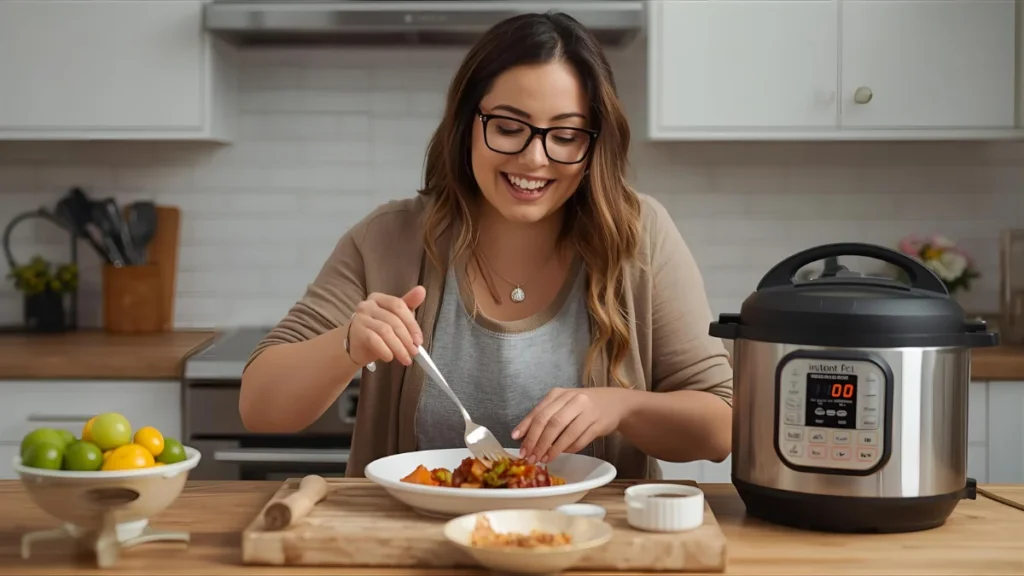
The biggest win? Speed. When dinner time goes from 90 minutes to 30 minutes, home-cooked healthy meals stop being a weekend luxury. They become your weeknight default. No more choosing between convenience and nutrition.
Nutrients Actually Stay in Your Food
Pressure cooking cooks faster and uses less water than boiling. Both of these mean fewer vitamins leach away. B vitamins and vitamin C—the ones most fragile during cooking—survive better in a pressure cooker than in a pot of boiling water. Not dramatically better, but meaningfully.
You Control What Goes Into Meals
An Instant Pot does one simple thing: make from-scratch meals quickly. When you’re cooking beans, vegetables, and meat at home, you know exactly what’s there. No hidden sodium, no mystery preservatives, no ultra-processed shortcuts.
How Instant Pot Cooking Actually Works (Without the Science Overkill)
The Pressure Cooking Advantage
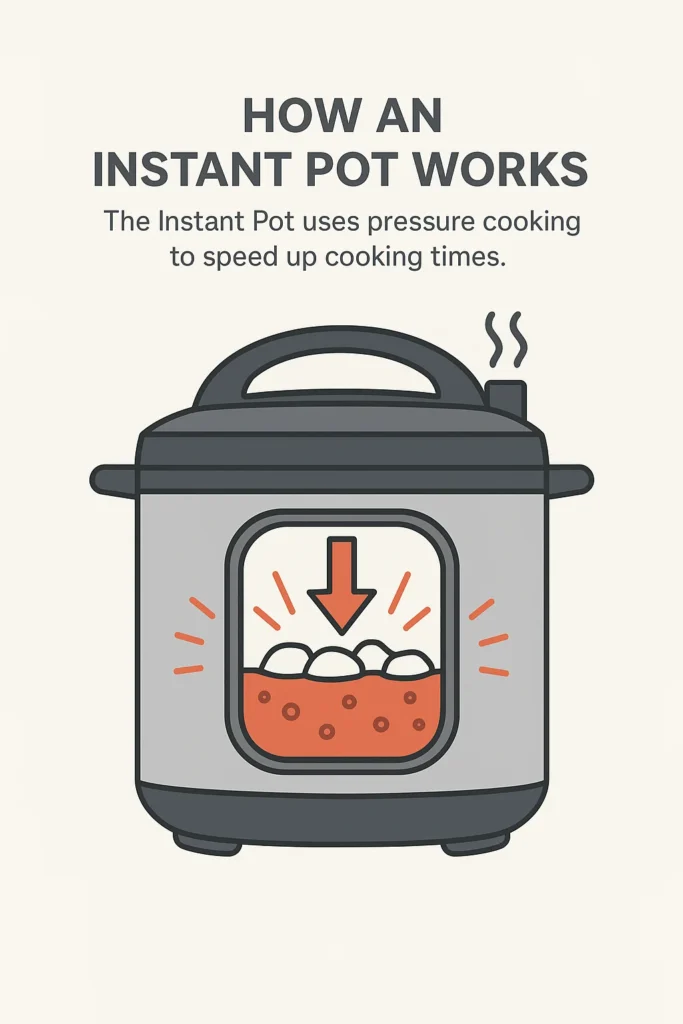
High pressure raises the boiling point of water, so food cooks faster at higher temperatures. Why this matters for health: faster cooking = fewer nutrients lost. Simple as that.
Time Savings That Actually Add Up
| Food | Traditional Time | Instant Pot Time |
|---|---|---|
| Dried beans | 1-2 hours | 30-45 min |
| Tough meat cuts | 2-3 hours | 45 min |
| Brown rice | 45 min | 15 min |
| Whole grains | 45-60 min | 15-20 min |
Temperature Control Means Food Safety
The Instant Pot reaches consistent high temperatures that kill pathogens. If you’re cooking chicken or other meats, this matters. No guessing whether it’s hot enough inside.
Real Nutritional Benefits (Not Exaggerated)
Nutrients Your Food Actually Keeps
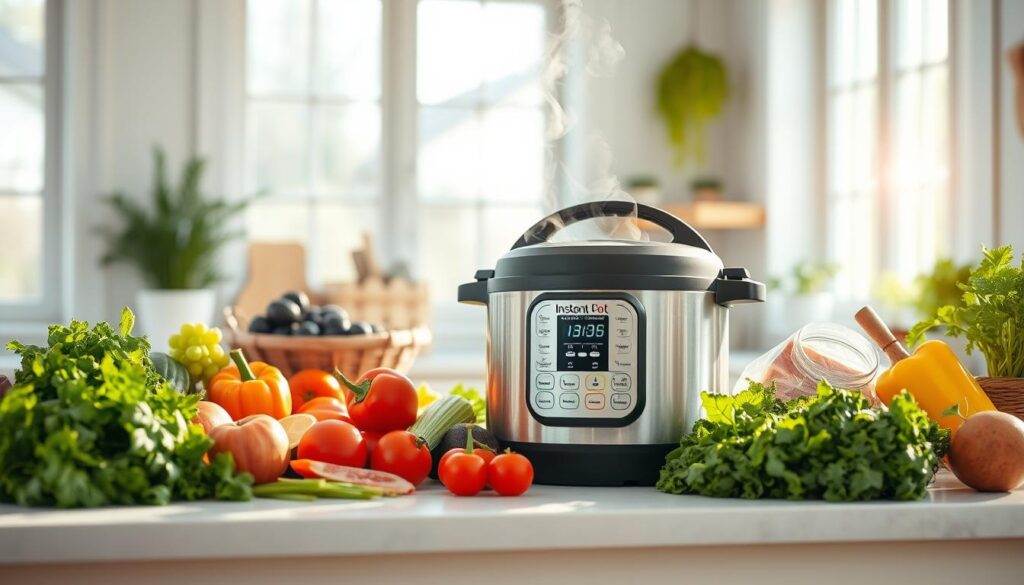
- B vitamins and vitamin C remain more stable in shorter cook times
- Minerals like potassium and iron don’t leach as much into cooking water
- Fiber in vegetables and legumes stays intact with minimal water usage
This doesn’t make an Instant Pot magical. But side-by-side with boiling? You win.
Protein and Legumes Get Better, Not Worse
Pressure cooking makes tough proteins tender and legumes digestible without removing nutrition. Your body actually absorbs more from well-cooked legumes than from undercooked ones. Instant Pots help you hit that sweet spot.
Vegetables Keep Their Texture (and Appeal)
Broccoli doesn’t turn to mush. Carrots stay al dente. That texture appeal? It’s the difference between “this is healthy food I have to eat” and “this is food I actually want to eat.” That matters for long-term habits.
Who Benefits Most (Honest Assessment)
You’ll Get Real Value If You:
- Cook beans or legumes regularly (this is where Instant Pot shines)
- Want to meal prep on Sundays and eat well all week
- Have limited cooking time but don’t want to sacrifice nutrition
- Struggle with tough cuts of meat or undercooked grains
- Want to reduce dependence on processed convenience foods
It Won’t Revolutionize Your Health If You:
- Already have solid cooking skills and time
- Prefer fresh, quick-cooking vegetables (they’re fine done traditionally)
- Don’t currently cook much at home
- Are looking for a tool to “fix” an otherwise poor diet
Practical Health Applications
Weight Management Without Restriction
An Instant Pot makes batch cooking and portion prep frictionless. Cook a week’s worth of turkey and vegetable chili in 20 minutes. Portion it out. Done. That’s the actual weight management tool here—removing friction from healthy eating, not the appliance itself.
Supporting Dietary Goals
Heart-healthy: Cook lean proteins with vegetables and minimal oil. Natural.
Gluten-free: Easily cook naturally gluten-free grains (quinoa, rice) and proteins without added ingredients.
Low-glycemic: Cook legumes perfectly—they’re more digestible and still have their fiber.
Special diets: The versatility makes it genuinely possible to accommodate multiple dietary needs in one kitchen.
Reducing Processed Food Dependency
Home-cooked means you know what’s in there. No hidden sodium, no emulsifiers, no shelf-stability chemicals. This is the real health win—not anything special about pressure cooking, just making home-cooked from-scratch feasible.
Ingredients That Actually Shine in an Instant Pot
Dried Beans and Legumes
The biggest win. Chickpeas, black beans, kidney beans—all ready in 30-45 minutes without pre-soaking. They’re cheaper, more nutritious, and last longer than canned. This alone can meaningfully improve diet quality.
Whole Grains
Quinoa cooks in 1-2 minutes. Brown rice in 15. Farro, barley, and wild rice all become realistic weeknight options instead of “too much effort.”
Tougher, Cheaper Meat Cuts
Beef chuck, pork shoulder, chicken thighs—all become tender and flavorful in 30-45 minutes. These cuts are more affordable and nutrient-dense than processed alternatives. They’re genuinely better meat choices, made actually feasible.
Vegetables (When Done Right)
Fresh vegetables don’t need pressure cooking. But frozen broccoli, carrots, green beans? 2-3 minutes. No extra steps, no excuse to skip them.
Bone Broth (If You’re Into That)
If bone broth is part of your diet, the Instant Pot makes it faster and more convenient. The collagen and minerals are real nutrients. But it’s not a miracle health drink—just a solid base for soups.
Five Meals Worth Actually Making
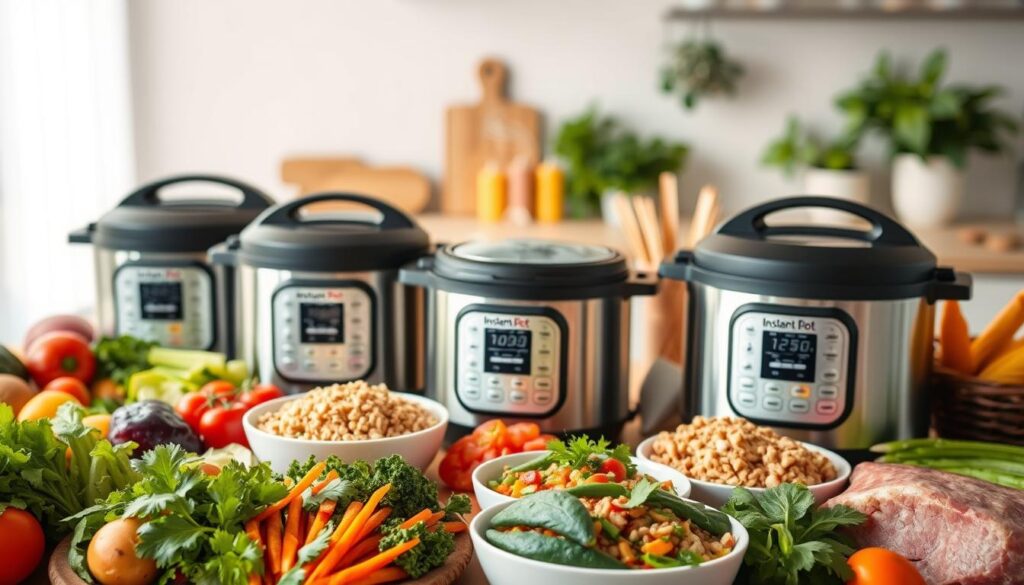
These aren’t complicated. They’re real food you’d actually eat.
1. Simple White Bean and Kale Soup
Cannellini beans (30 min pressure), kale, garlic, olive oil. One pot. Actual food.
2. Mediterranean Chicken with Tomatoes
Chicken thighs, canned tomatoes, olives, herbs. 12 minutes pressure. Freezes well.
3. Black Bean and Sweet Potato Buddha Bowl
Black beans (35 min), roasted sweet potato, greens, olive oil and lime. Weeknight-friendly nutrition.
4. Beef and Vegetable Stew
Beef chunks (35 min), carrots, potatoes, broth. The kind of food that actually satisfies—no processed shortcuts needed.
5. Steel-Cut Oats Breakfast (Overnight Style)
Oats, milk, cinnamon. 10 minutes in the morning or prep the night before. Fiber, protein, simple.
Nothing fancy. Just real food, faster.
Honest Limitations (And How to Work Around Them)
Delicate Fish and Seafood
Instant Pots overcook these easily. Use shorter times or sauté afterward for finesse. It’s fine—just not the strength of this appliance.
Achieving Restaurant-Quality Texture
A proper sear and slow braise produce different results than pressure cooking. If texture nuance matters to you, this isn’t replacing your techniques—it’s supplementing them.
Plastic Components
Some models contain BPA-free plastic seals. If this concerns you, check the specifications. Most people use them without worry, but it’s fair to be aware.
The Learning Curve
There is one. The first 3-4 uses feel awkward. Cooking times need to be adjusted for your altitude and preferences. That’s normal for any kitchen tool.
The Real Bottom Line
An Instant Pot isn’t a health miracle. It’s a practical tool that removes the biggest barrier to eating better: time.
It’s useful if:
- You currently rely on processed foods because cooking takes too long
- Beans and legumes are part of your diet
- Meal prep could become your default instead of occasional
- You like the idea of knowing exactly what’s in your food
It’s not necessary if:
- You already cook well and have time
- You primarily eat quick-cooking foods
- Your health challenges require structure beyond what cookware can provide
The tool works. The results come from using it consistently to replace processed foods with from-scratch cooking.
FAQ
Are Instant Pots actually healthier than stovetop cooking?
For some foods (beans, tough meats, grains)—yes, modestly. Nutrients are better retained, and the faster cooking time matters. For others (fresh vegetables, quick proteins)—not meaningfully different. Use whichever fits your cooking style.
How much nutrient loss happens in an Instant Pot?
Less than boiling, roughly equivalent to steaming. This isn’t a huge difference overall, but it adds up when you’re cooking this way multiple times a week.
Can I actually use it for meal prep?
Yes. This is probably the biggest practical benefit. Cook a double batch of beans or grains on Sunday, portion out, and use throughout the week. That consistency matters more than any single cooking method.
Does my Instant Pot need special maintenance?
Minimal. Clean the sealing ring regularly (it holds onto smells). The inner pot is stainless steel and durable. Nothing complicated.
Will it work for my dietary restrictions?
Probably. It’s versatile enough to accommodate most dietary approaches. The specifics depend on what you’re actually making.
Next Steps
If you’re considering one, read owner reviews focused on durability and ease of use. Try one recipe you actually want to eat (not a recipe you think you should make).
If you already own one: experiment. Beans are the obvious win. But find your three go-to meals and rotate them. Consistency beats perfection.
The real benefit isn’t the appliance—it’s the meals you’re actually eating because the friction got low enough to make them happen.
About KitchenApex: We test kitchen appliances in actual home kitchens, not labs. We believe good cooking shouldn’t require expertise or exotic ingredients. It should be straightforward, practical, and realistic for actual life. This article reflects that philosophy.
Related Reading
- Unique Uses for Multi-Cookers: Transform Your Amazing Cooking Experience
- Discover the Best Sous Vide Cookers Under $100: Elevate Your Culinary Skills at Home
- Breville Fast Slow Pro vs Instant Pot Duo: Which Hybrid Is Better?
- Best Pressure Cookers in 2026 (Tested & Ranked for Every Budget)
- 10 Instant Pot Hacks You’ll Wish You Knew Sooner (Complete Guide)
- Unlock Culinary Mastery with Ninja Pots and Pans Set Non Stick