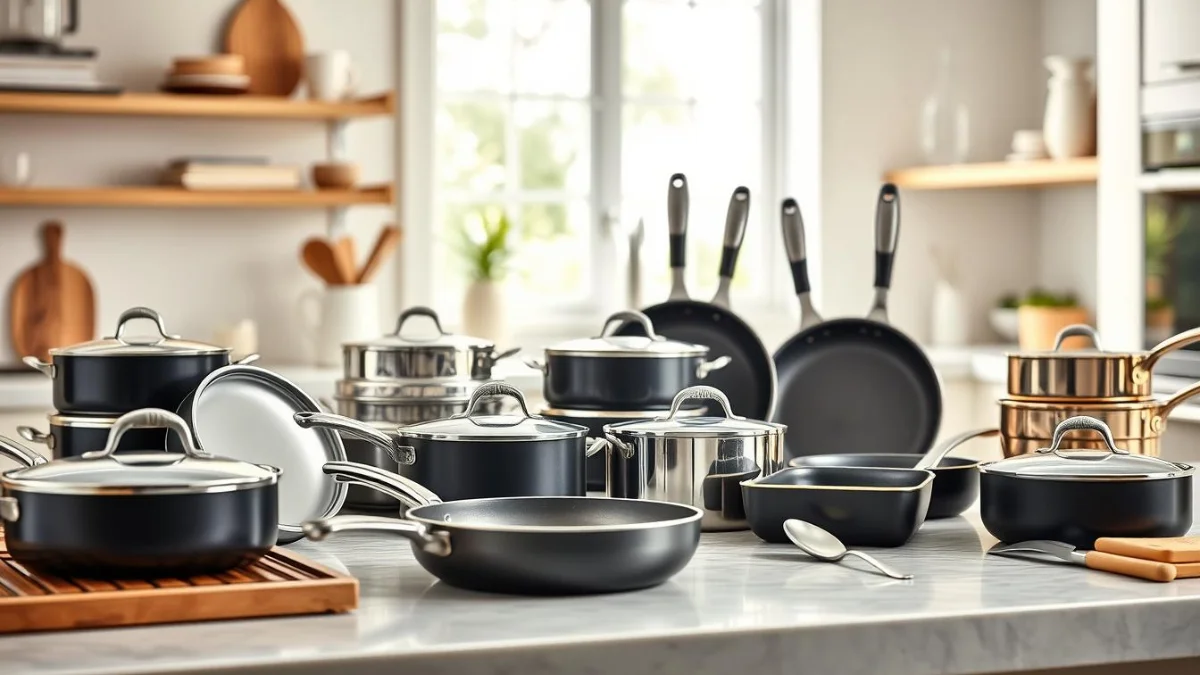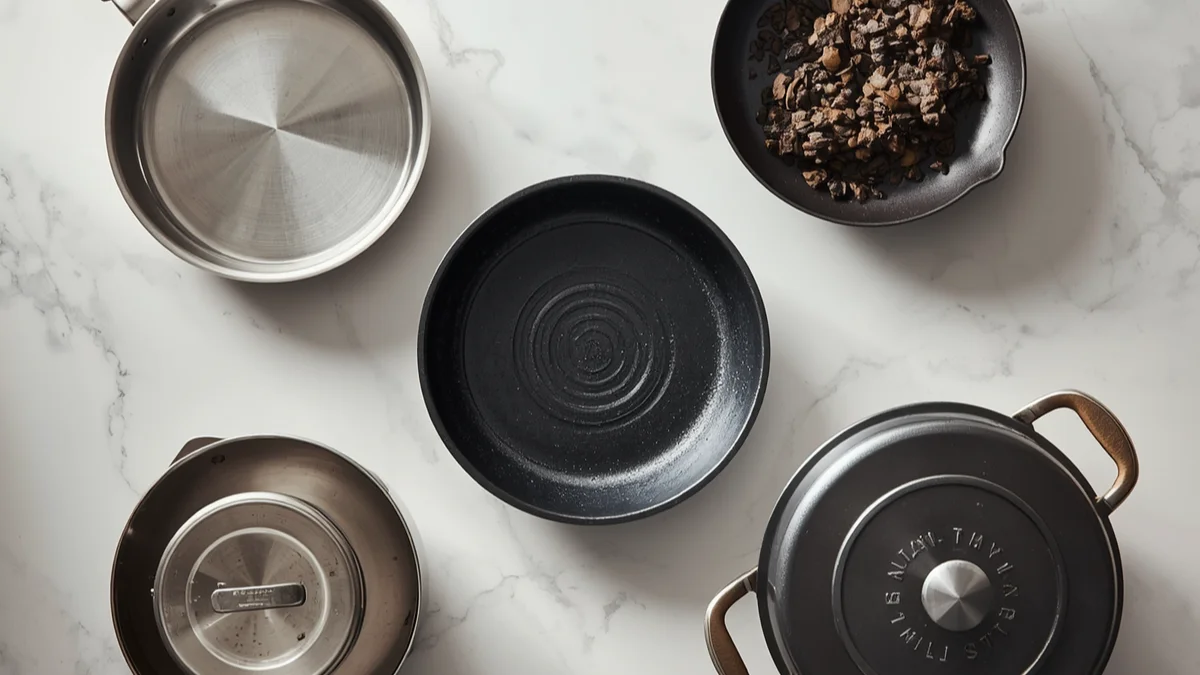
Choosing cookware seems simple—until you realize how many options exist.
Stainless steel, cast iron, aluminum, non-stick, Dutch ovens… each promises better performance, durability, or healthier cooking.
But here’s the truth:
👉 The best cookware isn’t about trends—it’s about what fits your cooking style.
The wrong choice can lead to uneven heating, food sticking, difficult cleaning, or even safety concerns. The right cookware improves your results, saves time, and lasts for years.
In this complete cookware buying guide, you’ll learn:
- Which cookware material is best for your needs
- How to compare durability, safety, and performance
- What essentials every kitchen actually needs
- Common mistakes to avoid
This guide is based on practical cooking experience and material performance comparisons used in home kitchens
👉 If you are upgrading or setting up a new kitchen, our Must-Have Kitchen Appliances for Every Home (2026 Guide) will give proper guidance
What Is Cookware?
Cookware refers to pots, pans, and other cooking vessels used on stovetops, in ovens, or over open flames.
Different materials affect:
- Heat distribution
- Cooking performance
- Food safety
- Ease of cleaning
👉 Choosing the right material is the most important decision.
If you’re wondering whether a $270 rice cooker can really outperform a dependable budget model, see our full Zojirushi Neuro Fuzzy review
What is the best cookware for beginners?
Stainless steel and non-stick cookware are the best choices for beginners due to ease of use and versatility.
Quick Cookware Decision Guide
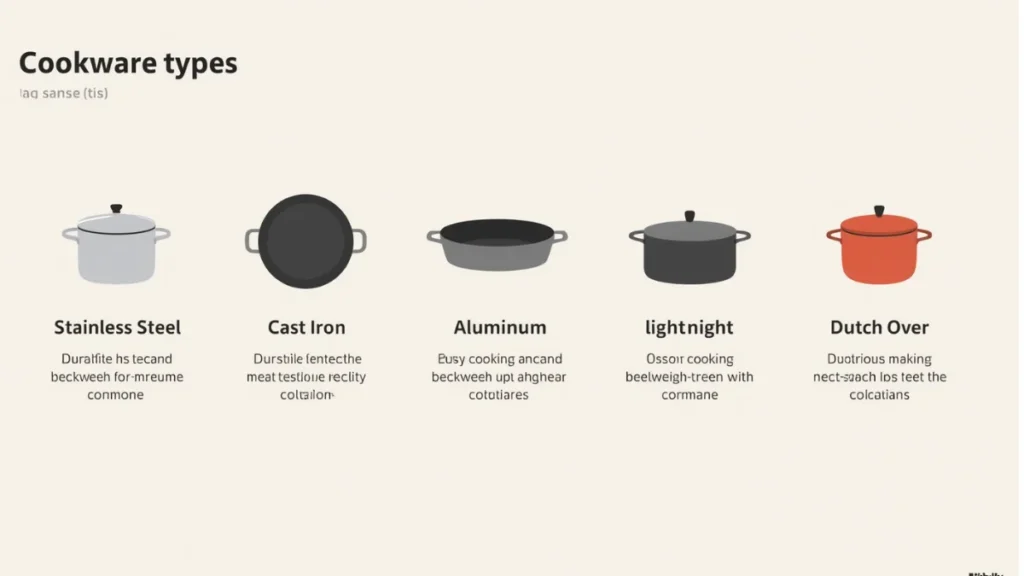
Best cookware by use:
- Stainless steel → Everyday cooking + durability
- Cast iron → High heat + searing
- Non-stick → Easy cooking + low oil
- Aluminum → Lightweight + budget-friendly
- Dutch oven → Slow cooking + versatility
👉 Not sure? Start with stainless steel—it’s the safest all-round option.
Types of Cookware Materials (Pros, Cons & Best Uses)
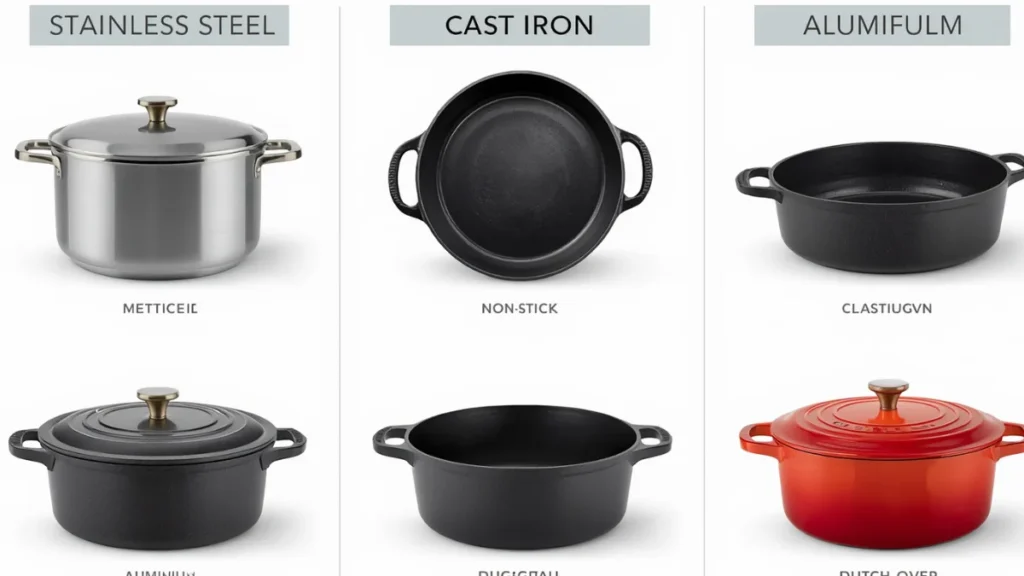
1. Stainless Steel (Best All-Purpose Cookware)
Why it’s popular:
- Extremely durable
- Non-reactive (safe for acidic foods)
- Great for daily use
Best for:
- Most households
- Sautéing, boiling, frying
Watch out:
- Food may stick without proper technique
👉 If you’re deciding between ease of use and durability, this breakdown of stainless steel vs non-stick cookware explains the trade-offs clearly.
2. Cast Iron (Best for Heat Retention)
Why it stands out:
- Retains heat exceptionally well
- Naturally non-stick when seasoned
- Can last a lifetime
Best for:
- Searing meat
- Frying and baking
Watch out:
- Heavy
- Requires seasoning
👉 If you’re choosing a Dutch oven, understanding the difference between cast iron and aluminum versions can make a big impact.
3. Non-Stick Cookware (Best for Beginners)
Why it’s useful:
- Requires minimal oil
- Easy to clean
- Ideal for beginners
Best for:
- Eggs, pancakes, delicate foods
Watch out:
- Shorter lifespan
- Avoid high heat
Many people worry about coatings—this guide to non-stick cookware safety and usage explains what actually matters
4. Aluminum Cookware (Best Budget Option)
Why it’s popular:
- Lightweight
- Heats quickly
- Affordable
Best for:
- Everyday quick cooking
Watch out:
- Can react with acidic foods (if uncoated)
👉 For everyday cooking, knowing the safety considerations of aluminum cookware can help you make better choices.
5. Dutch Ovens (Best for Slow Cooking)
Why it stands out:
- Excellent heat retention
- Works on stovetop + oven
- Highly versatile
Best for:
- Stews, soups, and baking bread
- 👉 If you’re new to this cookware, learning how to season and maintain a Dutch oven will extend its lifespan.
- 👉 If you’re unsure where to start, here are practical ways to use a Dutch oven in everyday cooking.
How to Choose Cookware (4 Key Factors)
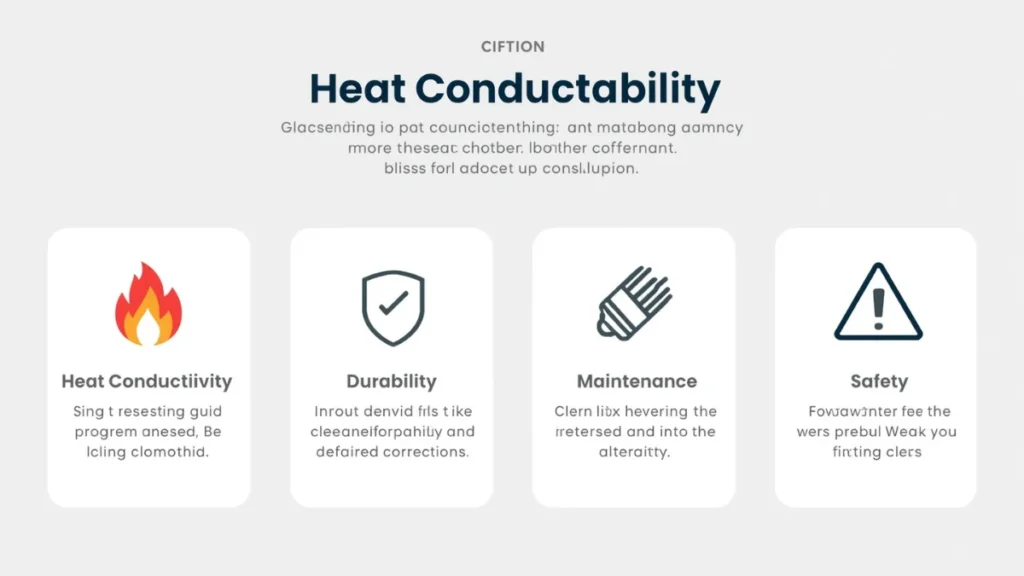
1. Heat Conductivity
- Even heating = better results
- Stainless steel (with core) = balanced
- Cast iron = slow but stable
2. Durability
- Stainless steel → long-lasting
- Cast iron → lifetime use
- Non-stick → shorter lifespan
3. Maintenance
- Non-stick → easiest
- Stainless steel → moderate
- Cast iron → requires care
4. Safety
- Avoid cheap coatings
- Don’t overheat the non-stick
- Choose trusted materials
If you’re looking for the best cookware overall, stainless steel remains the most balanced choice for most kitchens
Common Cookware Buying Mistakes
- Choosing based on price alone
- Ignoring maintenance requirements
- Buying large sets unnecessarily
- Using the wrong cookware for the task
👉 Pro tip: A few high-quality pieces outperform large, cheap sets.
Essential Cookware Setup (Beginner-Friendly)
Minimum kitchen essentials:
- Frying pan
- Saucepan
- Stockpot
- Dutch oven
👉 Choosing the right size matters more than most people think—especially when it comes to picking the right stockpot capacity for your kitchen.
Who Should Buy What?
Beginners:
👉 Non-stick + stainless steel
Home cooks:
👉 Stainless steel + Dutch oven
Cooking enthusiasts:
👉 Cast iron + full setup
Cookware Buying Guide FAQs
What is the safest cookware?
Stainless steel and cast iron are considered the safest and most stable options.
Is non-stick cookware safe?
Yes, when used properly and not overheated.
What cookware lasts the longest?
Cast iron and stainless steel can last decades with proper care.
What cookware is best for beginners?
Non-stick and stainless steel offer the easiest learning curve.
Do I need a full cookware set?
No—start with essentials and expand as needed.
Final Verdict
Choosing cookware isn’t about buying everything—it’s about choosing the right tools for your cooking style.
This cookware buying guide shows that the best approach is simple:
- Start with versatile essentials like stainless steel
- Add specialized pieces like cast iron or a Dutch oven as needed
- Focus on durability, safety, and ease of use over trends
👉 If you’re just getting started, prioritize a few high-quality pieces instead of large sets. You can take these guides for all practical purposes in your future endeavors in cooking
Over time, you can build a cookware setup that matches how you cook—not what marketing suggests.
I