Quick Answer
The best smoothie tips and ingredients focus on balance, texture, and nutrition.
Introduction
Smoothies are one of the easiest ways to pack nutrition, flavor, and energy into a single glass. Yet, many people struggle to make smoothies that taste great and have the right texture.
Too watery, too thick, or oddly flavored—these are common smoothie frustrations.
The problem often lies in not knowing the right smoothie tips and ingredients to use. Choosing the wrong fruit combinations, skipping protein, or adding too much liquid can turn a healthy drink into a disappointing one.
👉 Using the right tools makes a big difference, too—especially if you’re choosing from the best blenders for smoothies and everyday use:
This guide breaks down everything needed to make smoothies that are creamy, balanced, and nutrient-rich.
What Is a Smoothie? Why It Matters
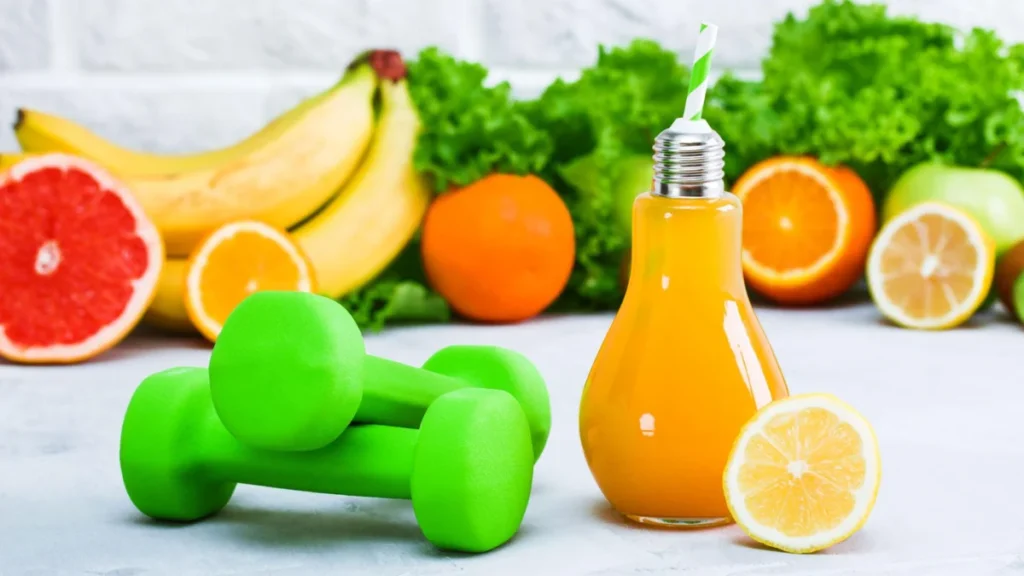
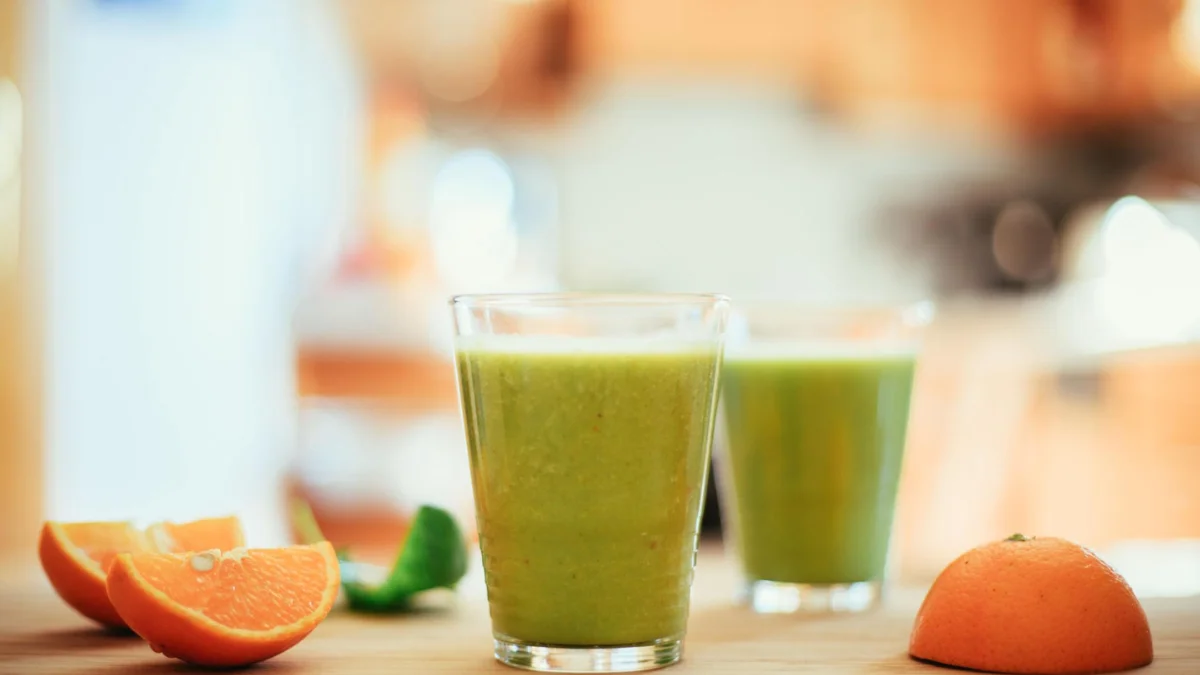
A smoothie is a blended beverage made from fruits, vegetables, and liquids, often enhanced with protein, fats, and superfoods.
Why it matters:
- Can serve as a meal replacement
- Supports hydration and energy
- Helps increase fruit and vegetable intake
The key is balance—carbs, protein, and fats working together.
Tools / Materials Needed
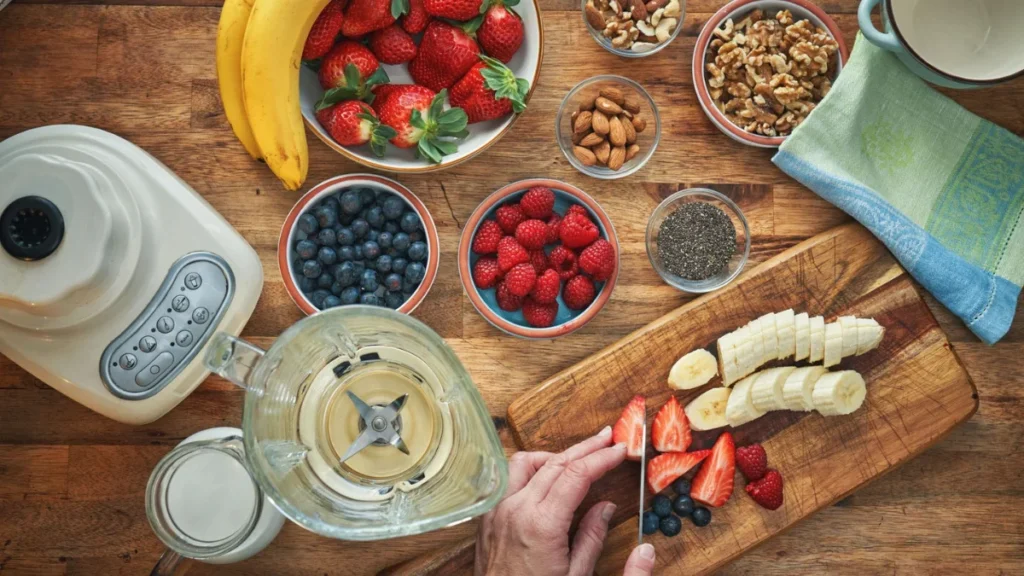
Before blending, gather the essentials:
- High-speed blender
- Measuring cups and spoons
- Fresh or frozen fruits and vegetables
- Liquid base (milk, juice, or water)
- Protein source (yogurt, protein powder, nut butter)
- Healthy fats (avocado, seeds, nuts)
- Optional add-ins (spices, superfoods, sweeteners)
👉 A high-speed blender is essential—here’s how to choose the right blender for your needs:
👉 If you’re unsure where to start, check out the best blenders for every budget:
Smoothie Prep: Step-by-Step Guide
Step 1: Choose the Right Base
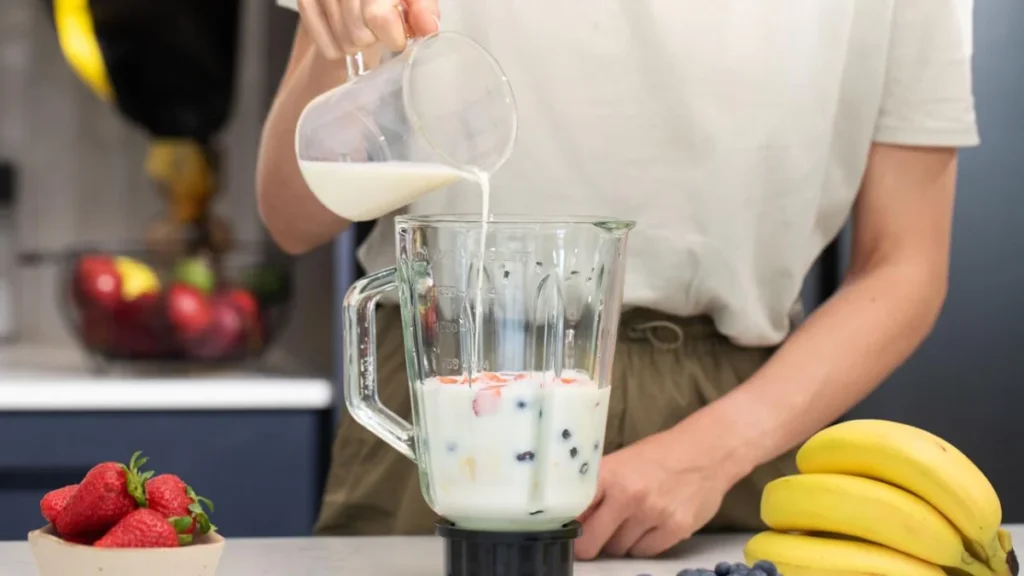
The base determines the smoothie’s texture and flavor.
Common options:
- Dairy milk
- Plant-based milk
- Coconut water
- Greek yogurt
👉 The consistency also depends heavily on your machine—especially when using blenders designed specifically for smoothies and juices:
Pro Tip: Start with ¾ cup of liquid and adjust as needed.
Step 2: Add Fruits and Vegetables
Fruits provide sweetness; vegetables add fiber and nutrients.
Best fruits: Bananas, berries, mangoes
Best vegetables: Spinach, kale, cucumber
👉 Frozen ingredients create better texture—but they require power. That’s where the best blenders for frozen berries come in:
Step 3: Include Protein
Protein keeps smoothies filling and supports muscle repair.
Options:
- Greek yogurt
- Protein powder
- Nut butter
- Silken tofu
Personal blenders are great for protein shakes—especially compact personal smoothie blenders for quick use:
Step 4: Add Healthy Fats
Healthy fats improve texture and nutrient absorption.
Best sources:
- Avocado
- Chia seeds
- Flaxseed
- Almond butter
👉Thicker ingredients blend best in high-performance blenders like Vitamix models:
Step 5: Boost with Superfoods
Superfoods enhance flavor and nutrition.
Popular add-ins:
- Spirulina
- Cacao nibs
- Turmeric
- Oats
Pro Tip: Start small—these ingredients are potent.
Step 6: Balance Flavor and Texture
Combine:
- Sweet (banana, mango)
- Creamy (yogurt, avocado)
- Tangy (berries, citrus)
Balanced smoothies are more enjoyable and satisfying.
Step 7: Blend and Adjust
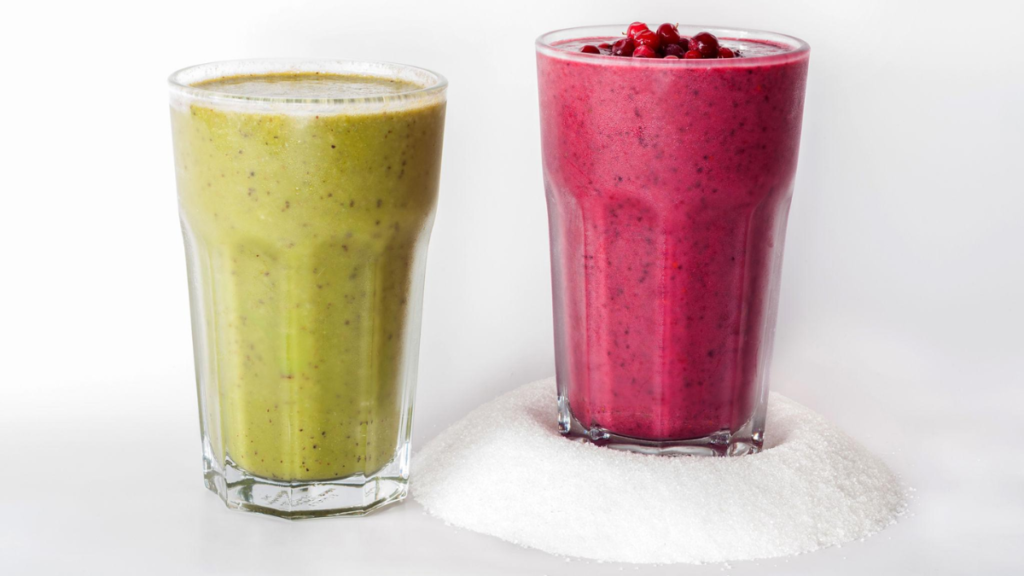
Blend on high for 30–60 seconds until smooth.
- 👉 If you want ultra-smooth textures, premium options like the Vitamix 5200 are known for consistency
- 👉 Mid-range options like the Ninja BN701 offer strong performance at a lower price
- 👉 For quick daily blends, the NutriBullet Pro is a popular choice
5 Common Smoothie Mistakes
1. Using too much liquid
Makes smoothies thin and flavorless.
2. Skipping protein or fat
Leads to hunger soon after.
3. Overloading with fruit
Increases sugar content.
4. Ignoring texture
Use frozen fruit or thickening ingredients.
5. Not blending properly
- 👉 Poor blending often comes down to maintenance—here’s how to clean your blender properly
Smoothie Schedule and Ingredients
- Daily: Balanced breakfast or snack
- Post-workout: Add protein + carbs
- Weekly prep: Pre-portion ingredients
Use Case Variations
For Weight Loss
Use low-calorie bases and focus on greens + protein.
👉 Choosing the right appliance matters—compare options in this complete blender comparison guide:
For Muscle Gain
Add protein powder, nut butter, and oats.
👉 For heavier recipes, a blender vs food processor comparison can help:
For Energy Boost
Bananas, spinach, chia seeds
For Detox
Cucumber, kale, lemon, ginger
For Kids
Strawberries, mangoes, yogurt
Smoothie Tips and Ingredients: FAQs
What is the best liquid base for smoothies?
The best base depends on preference. Milk and yogurt add creaminess, while coconut water or almond milk keeps it light.
Can smoothies replace meals?
Yes, if they include protein, healthy fats, and fiber. A balanced smoothie can serve as a complete meal.
How can smoothies be made thicker?
Use frozen fruit, less liquid, or add oats, yogurt, or avocado for a thicker texture.
Are smoothies healthy every day?
Yes, when made with whole ingredients and balanced macros. Avoid added sugars or excessive fruit.
What’s the best time to drink a smoothie?
Morning or post-workout are ideal times for nutrient absorption and energy replenishment.
TL;DR Summary
- Start with a balanced base and frozen fruit.
- Add protein and healthy fats for fullness.
- Use superfoods for extra nutrition.
- Avoid too much liquid or sugar.
- Blend until smooth and enjoy fresh.
Final Thoughts

Creating the perfect smoothie is about balance—flavor, texture, and nutrition working together.
With the right smoothie tips and ingredients, anyone can craft blends that taste great and support health goals.
👉If you’re serious about upgrading your smoothie routine, explore the best blenders for smoothies and home use