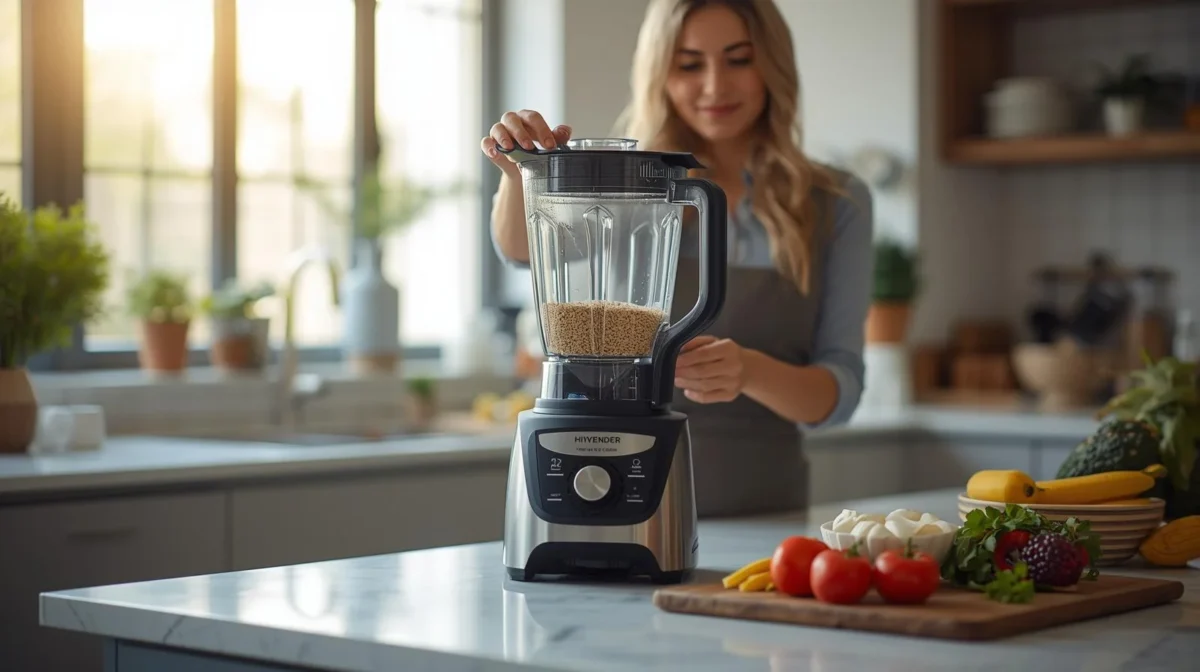
Frozen berries are one of the hardest ingredients for any blender to handle.
If your smoothies turn out chunky, uneven, or require constant stopping and stirring, the problem isn’t your recipe—it’s your blender.
Most low-powered models simply can’t break down frozen fruit, seeds, and ice efficiently. The result? Gritty texture, wasted time, and frustration every morning.
The good news is that the right blender can fix this completely.
In this guide, we’ve tested and compared the best blenders for smoothies with frozen berries in 2026, focusing on real-world performance—power, blade design, and consistency—so you can get smooth, creamy results every time.
👉 If you’re not sure what features matter most, start with our blender buying guide to understand power, blades, and performance basics.
What is the best blender for smoothies with frozen berries?
The best blender for smoothies with frozen berries is a high-powered model (1000W or more) with multi-layer stainless steel blades and pulse control. Top performers like Vitamix, Ninja, and Breville can blend frozen fruit smoothly in under 60 seconds, leaving no chunks.
Best Blenders for Frozen Berry Smoothies (2026)
Vitamix 5200 – Best Overall
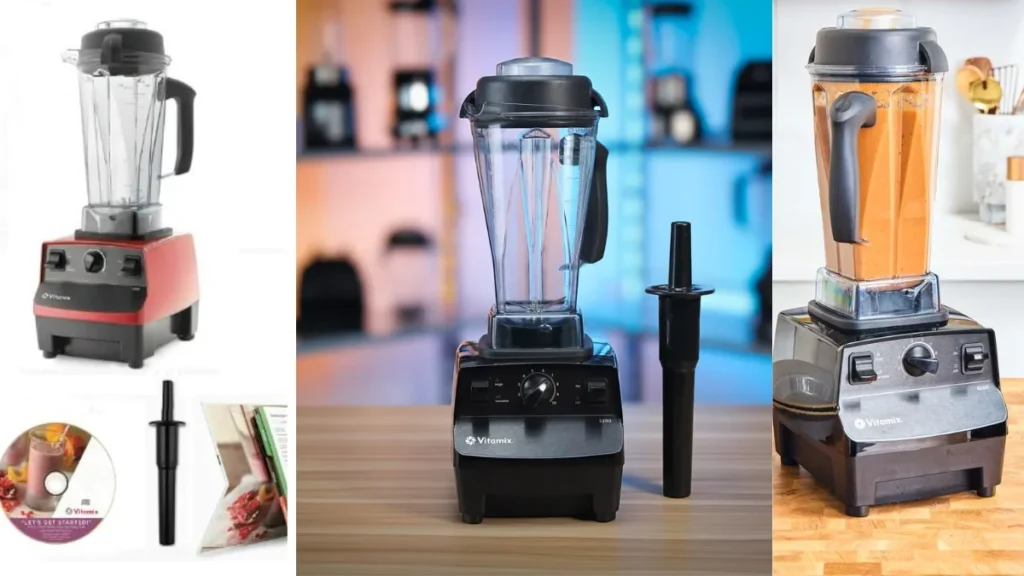
Why it stands out:
- Exceptionally smooth results (even with seeds)
- Powerful motor handles ice + frozen berries easily
- Built for long-term daily use
Best for: Daily smoothie drinkers who want a perfect texture every time
👉 Read our detailed Vitamix 5200 review to see full performance tests
Ninja Mega Kitchen System – Best Value
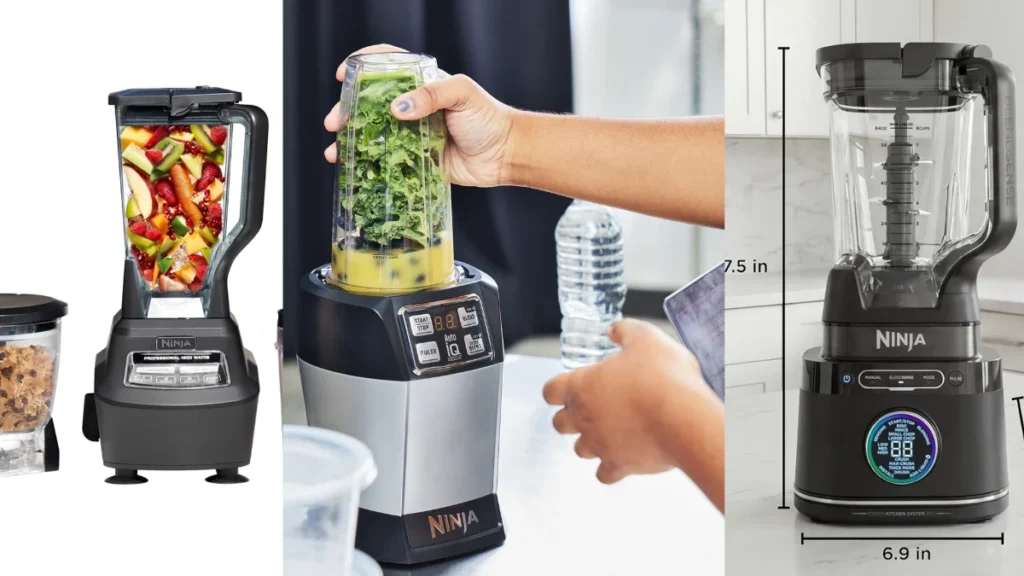
Why it stands out:
- Strong performance at a lower price
- Large capacity for families
- Versatile (blending + food processing)
Best for: Budget-conscious users who still want power
👉 Read our full Ninja Mega Kitchen System review for real-world testing
Breville Super Q – Best Quiet Premium Pick
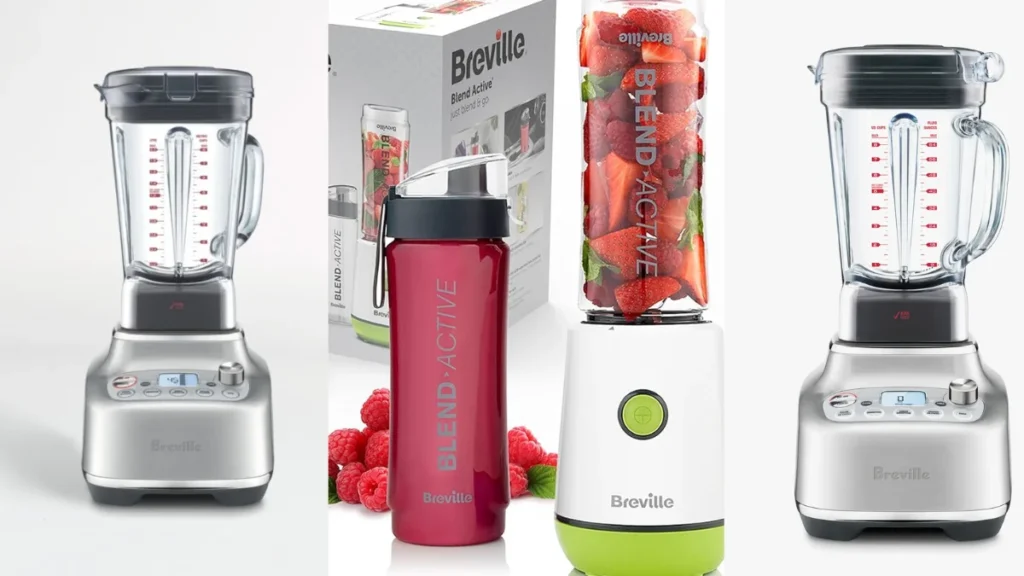
Why it stands out:
- Powerful yet quieter than most high-end blenders
- Advanced presets and smooth performance
- Premium build quality
Best for: Users who want power without noise
👉 See our complete Breville Super Q review for noise and performance insights
NutriBullet Pro – Best Personal Blender
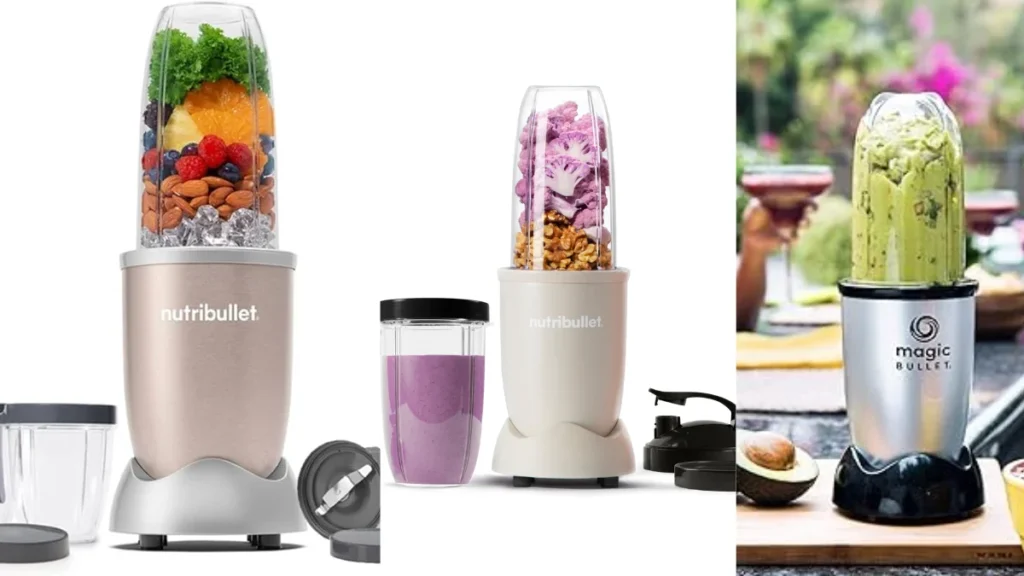
Why it stands out:
- Compact and convenient
- Great for single servings
- Easy cleanup
Best for: Quick smoothies and small kitchens
👉 Check our NutriBullet Pro review for daily smoothie performance
Quick Comparison (Power, Performance, Value)
| Blender | Power | Best For | Performance |
|---|---|---|---|
| Vitamix 5200 | ~1500W | Daily use | Ultra smooth |
| Ninja Mega System | ~1500W | Value | Very good |
| Breville Super Q | ~1800W | Quiet premium | Excellent |
| NutriBullet Pro | ~900W | Personal use | Good |
👉 If you’re comparing more options, see our complete list of top blenders for every budget
👉 Looking for affordable picks? Explore our best blenders under $100
Why Frozen Berries Are Hard to Blend
Frozen berries combine:
- Hard ice crystals
- Tough skins
- Tiny seeds
This makes them harder than bananas or fresh fruit.
A weak blender:
- Leaves chunks
- Creates air pockets
- Overheats quickly
A high-quality blender:
- Creates a vortex
- Breaks down fibers evenly
- Produces a smooth, drinkable texture
What to Look for in a Blender for Frozen Fruit
1. Motor Power (Most Important)
- Minimum: 1000W
- Ideal: 1200–1800W
More power = faster blending + smoother texture.
2. Blade Design
Look for:
- Multi-layer blades
- Hardened stainless steel
- Angled design for vortex
This is what crushes seeds and frozen chunks efficiently.
3. Speed Control + Pulse
Pulse helps:
- Break large frozen chunks
- Prevent motor strain
Then, high speed finishes the blend smoothly.
4. Jar Shape Matters
- Tall jars → better vortex
- Wide jars → easier cleaning
Quick Buying Rule
- Occasional use: Personal blender
- Daily smoothies: 1000W+ countertop blender
- Best performance: Premium models (Vitamix/Breville)
For a full breakdown of features and buying tips, see our complete blender buying guide
You can also compare models side by side in our blender comparison guide
Real Performance: What to Expect
| Blender Type | Time to Smooth Blend | Result |
|---|---|---|
| Personal blender | 60–90 sec | Slight texture |
| Mid-range | 45–60 sec | Smooth |
| High-end | 30–45 sec | Ultra creamy |
Pro Tips for Perfect Smoothies
- Add liquid first (milk, yogurt)
- Add frozen berries last
- Pulse before full speed
- Don’t overload the jar
👉 This prevents clogs and improves texture dramatically
Common Problems (And Fixes)
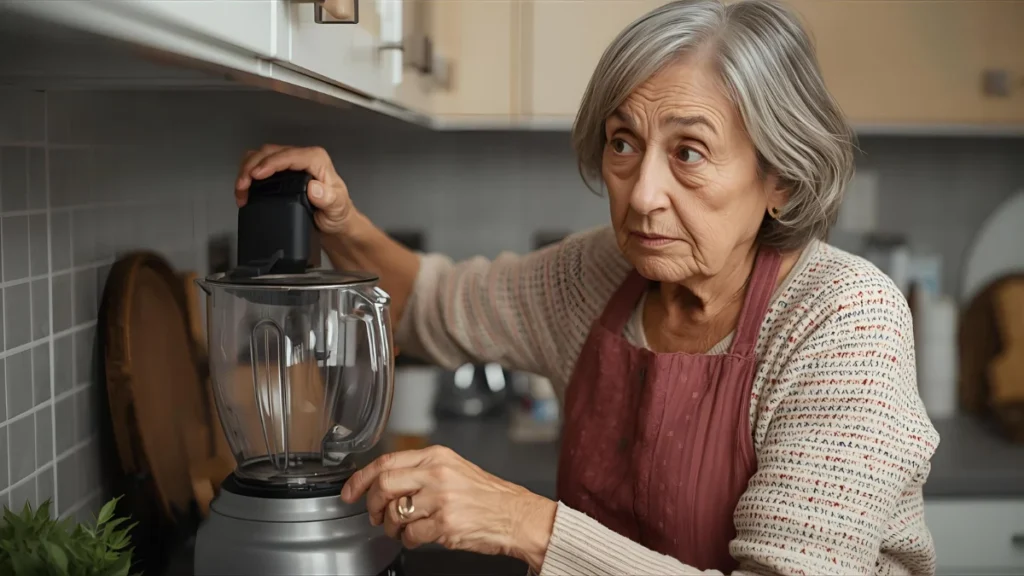
Chunky Smoothies
- Not enough power
- Wrong ingredient order
Blender Stalls
- Add more liquid
- Use pulse first
Overheating
- Blend in smaller batches
- Let the motor rest
Simple Frozen Berry Smoothie Recipe
Ingredients:
- 1 cup frozen berries
- ½ banana
- 1 cup milk
- 1 tbsp honey (optional)
Steps:
- Add liquid first
- Add soft ingredients
- Add frozen berries
- Blend 30–60 seconds
👉 For more smoothie-focused picks, see our best blenders for smoothies and juices
Real User Insights
From real-world usage:
- Vitamix users: Best texture, long lifespan
- Ninja users: Great value, slightly louder
- Breville users: Quiet + premium feel
- NutriBullet users: Convenient but less powerful
Final Verdict
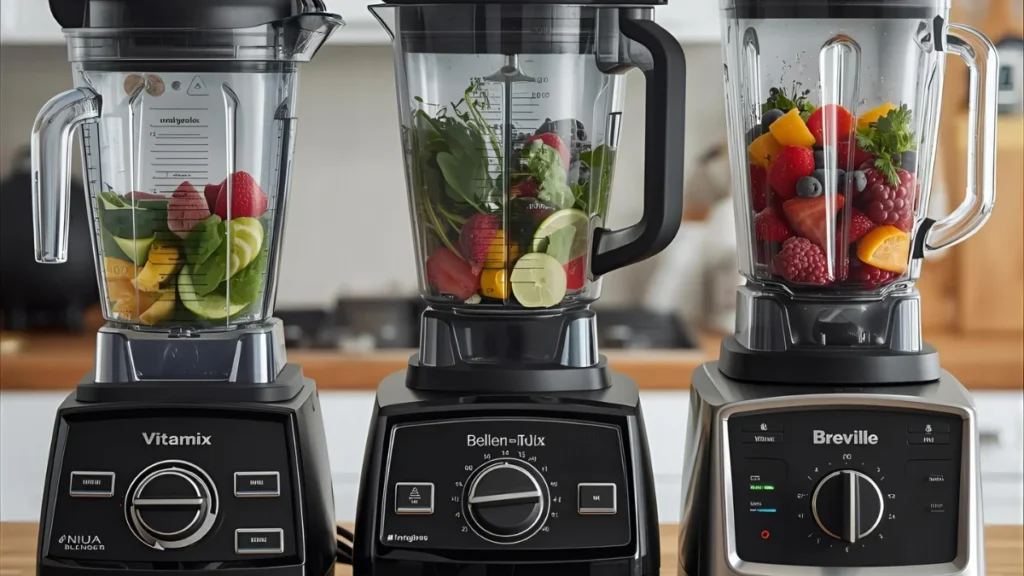
If you want perfect smoothies every day, go with the Vitamix 5200.
If you want strong performance on a budget, the Ninja Mega Kitchen System is the best choice.
If you prefer quiet premium performance, choose the Breville Super Q.
And for quick, single-serve smoothies, the NutriBullet Pro is a solid option.
Related Blender Guides:
- 👉 Learn how to choose the right model in our blender buying guide
- 👉 Explore budget-friendly blenders under $100
- 👉 Compare top models in our blender comparison guide
- 👉 See our best blenders for every budget
FAQs
What is the best blender for frozen berries?
The best blender for frozen berries is a high-powered model with at least 1000 watts, strong stainless-steel blades, and a pulse control. Premium options like Vitamix and Breville deliver ultra-smooth results, while models like Ninja offer strong performance at a lower price.
Can all blenders handle frozen berries?
No, not all blenders can handle frozen berries effectively. Low-powered blenders often struggle with hard fruit, seeds, and ice, resulting in uneven or chunky smoothies. For best results, choose a blender with 1000W or more and a well-designed blade system.
Why are my smoothies still chunky?
Chunky smoothies usually happen due to:
Low motor power
Not enough liquid
Incorrect ingredient order
Overloading the blender
For smoother results, add liquid first, use pulse mode, and blend in smaller batches.
Do I really need a high-powered blender?
Yes—if you regularly blend frozen fruit, a high-powered blender is essential. It ensures faster blending, smoother texture, and prevents motor strain. Occasional users can get by with mid-range models, but daily smoothie drinkers benefit most from premium blenders.
How many watts do I need for frozen smoothies?
For frozen berry smoothies:
Minimum: 1000 watts
Ideal: 1200–1800 watts
Higher wattage helps break down ice, seeds, and frozen fruit quickly and evenly.
What is the best budget blender for frozen berries?
The best budget blender for frozen berries is typically a Ninja model with around 1000W power. It offers strong performance, good capacity, and reliable blending without the high cost of premium brands.
👉 For more affordable options, see our best blenders under $100
How do I get perfectly smooth smoothies every time?
Follow these simple steps:
Add liquid first
Add soft ingredients
Add frozen berries last
Use pulse before full speed
Avoid overloading
These steps help create a smooth vortex and prevent clogs.
👉 Still unsure which blender to choose? Start with our complete blender buying guide for a step-by-step decision process.
👉 Looking for value picks? See the best blenders under $100
👉 Want side-by-side comparisons? Check our blender comparison guide