Last Updated in February 2026
Choosing kitchen appliances isn’t just about brands or price — it’s about making the right decisions for how you cook, live, and use your kitchen every day.
Buy the wrong appliance, and you may end up with wasted space, poor performance, and unnecessary expenses.
In this 2026 kitchen appliances buying guide, you’ll learn what to look for, what to avoid, and how to choose the right appliances for your kitchen, budget, and lifestyle.
✔ Avoid costly appliance mistakes
✔ Choose the right appliances for your kitchen size and lifestyle
✔ Compare features that actually matter
How to Choose Kitchen Appliances (Quick Answer)
To choose the right kitchen appliances:
- Identify your cooking habits and household size
- Measure your kitchen space carefully
- Set a realistic budget
- Compare features like performance, energy efficiency, and ease of use
- Check real user reviews and long-term reliability
Choosing appliances based on your actual needs ensures better performance, lower costs, and long-term satisfaction.
Quick Decision Guide: What Kitchen Appliances Do You Really Need?
Choose your appliances based on how you use your kitchen:
- Small kitchens or apartments → Choose compact, multi-functional appliances to save space
- Families or large households → Focus on capacity, durability, and efficiency
- Frequent cooking → Invest in performance-driven appliances with consistent results
- Occasional use → Simple, budget-friendly appliances are often enough
👉 If you’re starting with countertop appliances, explore our guides
What Are Kitchen Appliances?
Kitchen appliances are electrical or gas-powered devices used for cooking, food preparation, storage, and cleaning in residential kitchens.
Examples of kitchen appliances include:
- Refrigerators and freezers
- Ovens, cooktops, and ranges
- Dishwashers and microwaves
- Small appliances like blenders, air fryers, and coffee makers
Quick Answer:
Kitchen appliances are tools that simplify cooking, cleaning, and food storage in the kitchen.
Types of Kitchen Appliances Explained
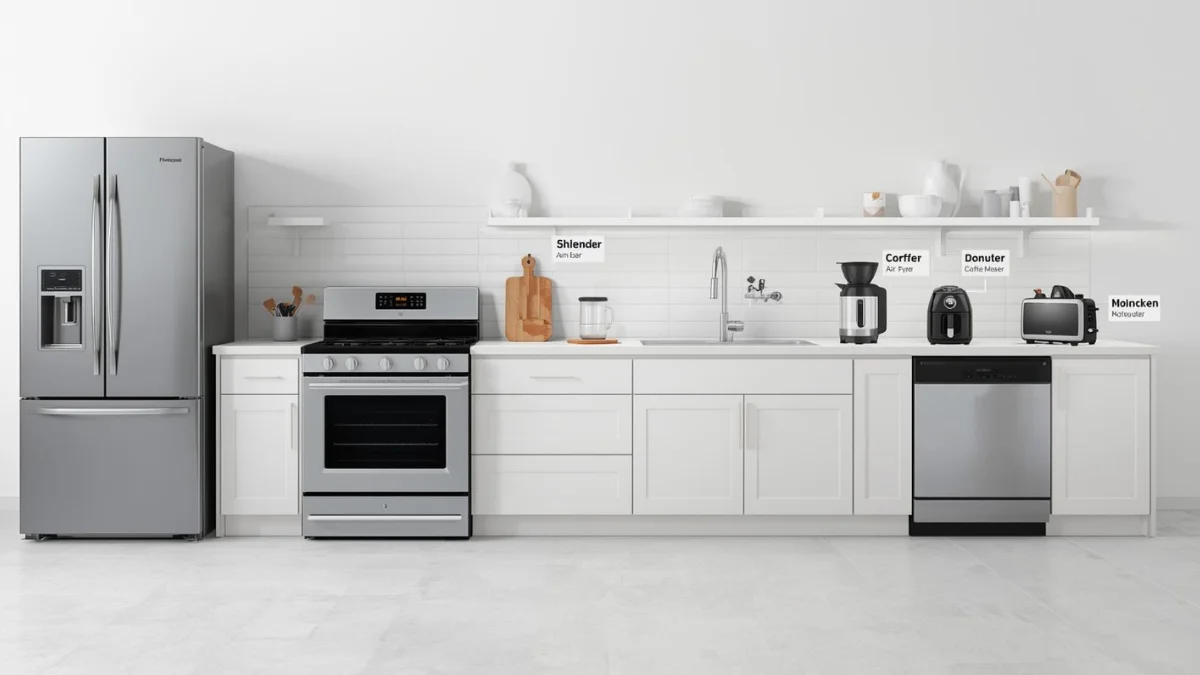
Kitchen appliances generally fall into two categories: major appliances and small appliances.
Major Kitchen Appliances
Major appliances are large, fixed units essential for daily kitchen use.
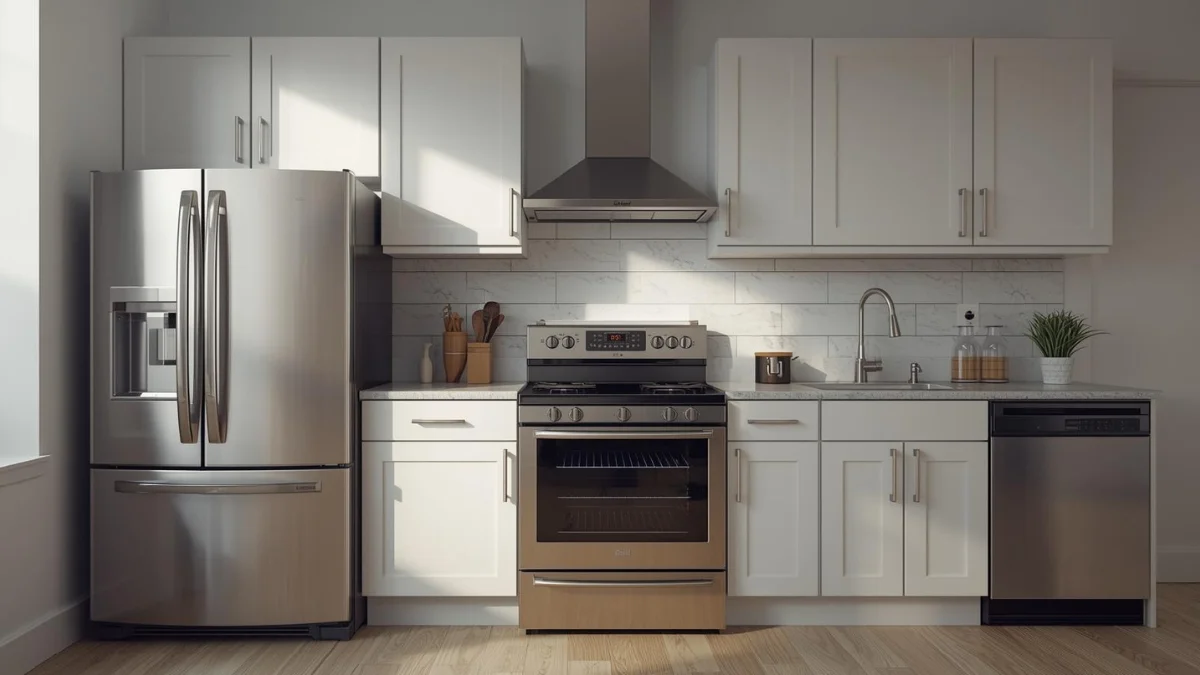
- Refrigerators: Keep food fresh and organized
- Ovens and ranges: Enable baking, roasting, and cooking
- Dishwashers: Automate dish cleaning and reduce water usage
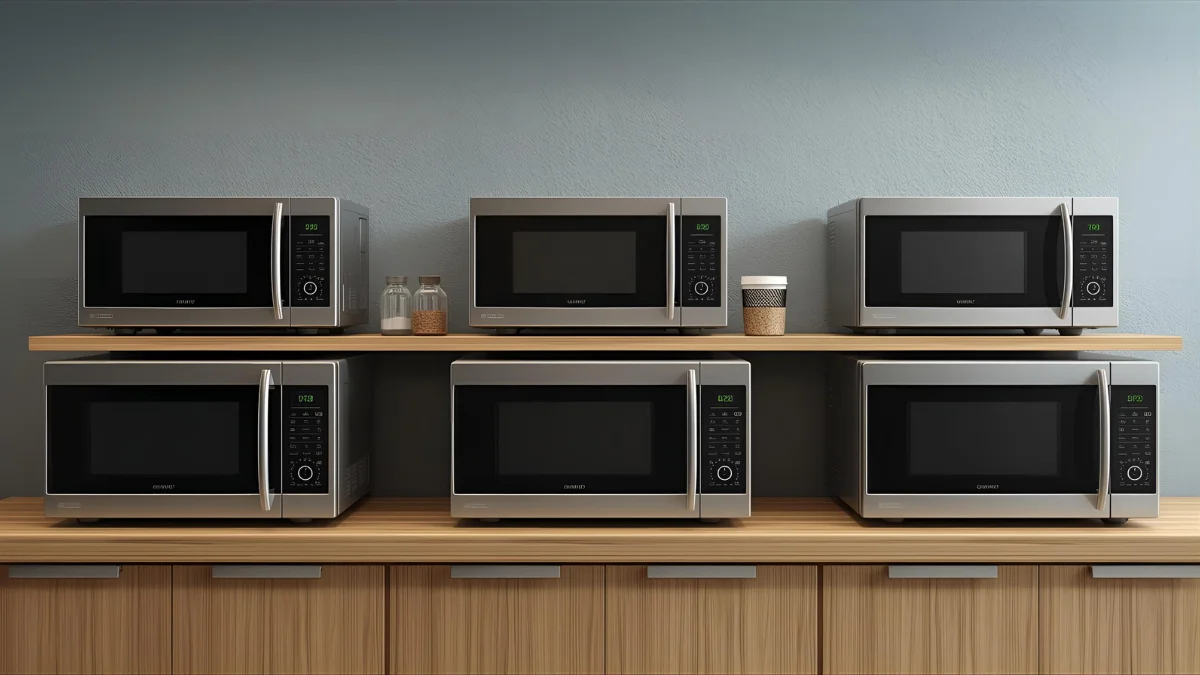
- Microwaves: Provide fast reheating and cooking options
Small Kitchen Appliances
Small appliances add flexibility and convenience.
Best Kitchen Appliances for Common Use Cases
Different kitchens require different appliances. Here’s a quick way to match appliances to your daily needs:
- Best for smoothies and healthy drinks → Blender
- Best for quick cooking and reheating → Microwave or air fryer
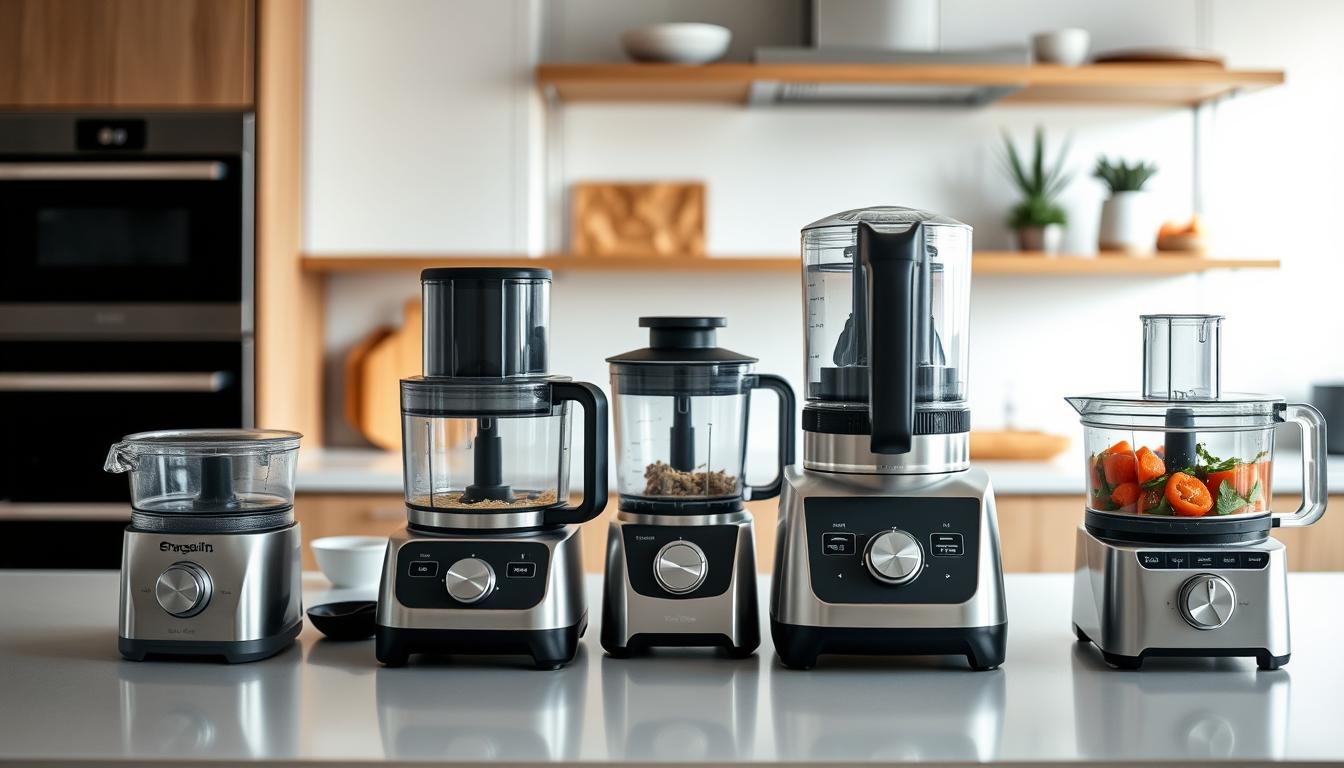
- Best for meal prep and chopping → Food processor
- Best for coffee lovers → Coffee maker
- Best for baking and roasting → Oven or range
👉 For a deeper breakdown, read our complete guide on how to choose the right blender.
Best Kitchen Appliances by Category (Quick Comparison)
| Appliance Type | Best For | Key Feature | Energy Efficient | Price Range (Mid-Range) |
|---|---|---|---|---|
| Refrigerator | Families | Large storage capacity | Yes | $1,000 – $2,000 |
| Dishwasher | Busy households | Quiet operation | Yes | $500 – $1,000 |
| Oven / Range | Home cooks | Even heat distribution | Moderate | $1,000 – $2,000 |
| Air Fryer | Healthy cooking | Oil-free frying | Yes | $150 – $300 |
| Coffee Maker | Daily use | Brew customization | Moderate | $150 – $500 |
Explore Our Kitchen Appliance Guides
If you’re comparing specific appliances, these guides will help you choose faster:
- 👉 Best blenders for smoothies
- 👉 Best blenders under $100
- 👉 Blender comparison guide
- 👉 Blender vs food processor
These guides provide detailed comparisons, real-world insights, and recommendations for different budgets and use cases.
Kitchen Appliance Buying Guide: What Really Matters
When choosing kitchen appliances, focus on these key factors:
- Performance and reliability
- Energy efficiency and long-term cost
- Ease of maintenance
- Space compatibility
- Warranty and service support
A well-informed buying decision ensures your appliances last longer and perform consistently.

Consider Household Size
- Small households benefit from compact kitchen appliances
- Larger families need higher capacity and durability
Evaluate Kitchen Space
- Measure available width, height, and depth
- Decide between built-in and freestanding appliances
Match Your Cooking Habits
- Frequent cooks should prioritize performance and reliability
- Occasional users may prefer simpler appliances
Quick Tip:
The best kitchen appliances depend on how often you cook, how much space you have, and how many people you cook for.
How to Choose Kitchen Appliances (Step-by-Step Guide)
If you’re wondering how to choose kitchen appliances for your home, the key is to focus on your cooking habits, space, and long-term needs
Choosing the right kitchen appliances becomes easier when you follow a structured approach
Step-by-Step
1. Define Your Needs
Consider how often you cook, what you cook, and how many people you cook for.
2. Set a Realistic Budget
Balance upfront cost with long-term value, including energy savings and durability.
3. Compare Features
Focus on performance, capacity, and ease of use rather than unnecessary extras.
4. Check Reviews and Reliability
Look at real user experiences and product reliability before making a decision.
👉 If you're choosing smaller appliances like blenders, see our detailed blender buying guide for real-world comparisons.
Best Kitchen Appliances for Small Kitchens
| Appliance | Why It Works | Size Type | Key Benefit | Best For |
|---|---|---|---|---|
| Compact Refrigerator | Saves space | Slim | Energy efficient | Apartments |
| Countertop Dishwasher | No plumbing required | Portable | Easy installation | Renters |
| Microwave Oven Combo | Dual function | Built-in | Space-saving | Small homes |
| Multi-Cooker | Replaces multiple appliances | Countertop | Versatility | Minimalists |
Selections are based on space efficiency, user reviews, and performance.
Key Features to Look for in Kitchen Appliances
Performance and Functionality
- Temperature consistency
- Power output
- Multi-function modes
Energy Efficiency
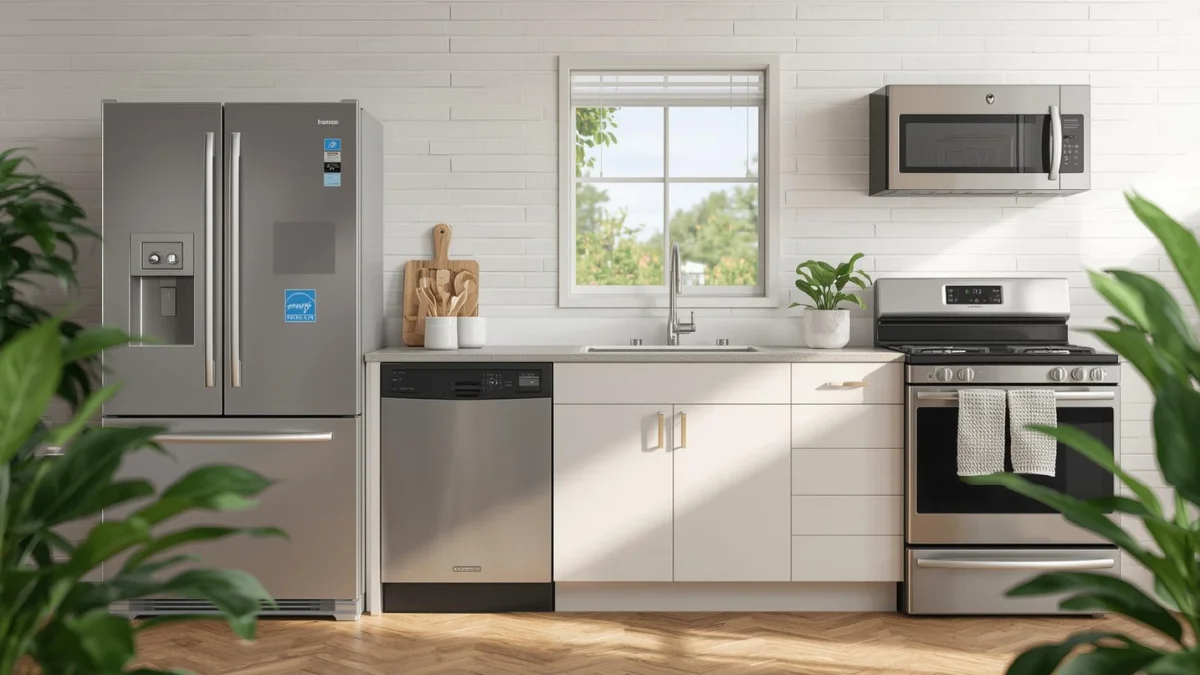
- Energy Star certification
- Lower long-term utility costs
- Reduced environmental impact
Ease of Use and Maintenance
- Simple controls
- Easy-to-clean surfaces
- Availability of replacement parts
Energy-Efficient Kitchen Appliances Comparison
| Appliance | Energy Rating | Annual Energy Use | Long-Term Savings | Ideal User |
|---|---|---|---|---|
| Energy Star Refrigerator | ★★★★★ | Low | High | Families |
| Induction Cooktop | ★★★★☆ | Very Low | High | Frequent cooks |
| Dishwasher (Eco Mode) | ★★★★★ | Low | Medium | Busy homes |
| Convection Oven | ★★★★☆ | Moderate | Medium | Bakers |
Energy-efficient kitchen appliances often cost more upfront but save money over time through lower utility bills.
Kitchen Appliance Design, Materials, and Style
Kitchen appliances should complement your kitchen’s design.
- Stainless steel for modern kitchens
- Matte or black finishes for contemporary styles
- Matching appliance sets for a cohesive look
Style should enhance functionality, not replace it.
Budgeting for Kitchen Appliances
Entry-Level vs Premium Appliances
- Budget appliances focus on essential features
- Premium appliances offer advanced features, durability, and design
Think Long-Term
- Energy savings
- Maintenance costs
- Warranty coverage
Helpful Insight:
Kitchen appliance costs vary based on size, features, energy efficiency, and build quality.
Smart vs Traditional Kitchen Appliances
| Feature | Smart Appliances | Traditional Appliances |
|---|---|---|
| Connectivity | Wi-Fi / App control | None |
| Ease of Use | Learning curve | Simple |
| Energy Monitoring | Yes | No |
| Cost | Higher upfront | Lower upfront |
| Best For | Tech-savvy users | Budget-focused users |
Smart kitchen appliances are ideal for users who value automation and remote control, while traditional appliances remain reliable and affordable.
Common Mistakes to Avoid When Buying Kitchen Appliances
- Skipping measurements
- Paying for features you won’t use
- Ignoring energy ratings
- Choosing appearance over performance
How to Compare Kitchen Appliances Before Buying
- Read verified customer reviews
- Compare specifications side by side
- Research brand reliability
- Understand warranty and service options
This step helps avoid regret purchases and improves long-term satisfaction.
How to Maintain Kitchen Appliances
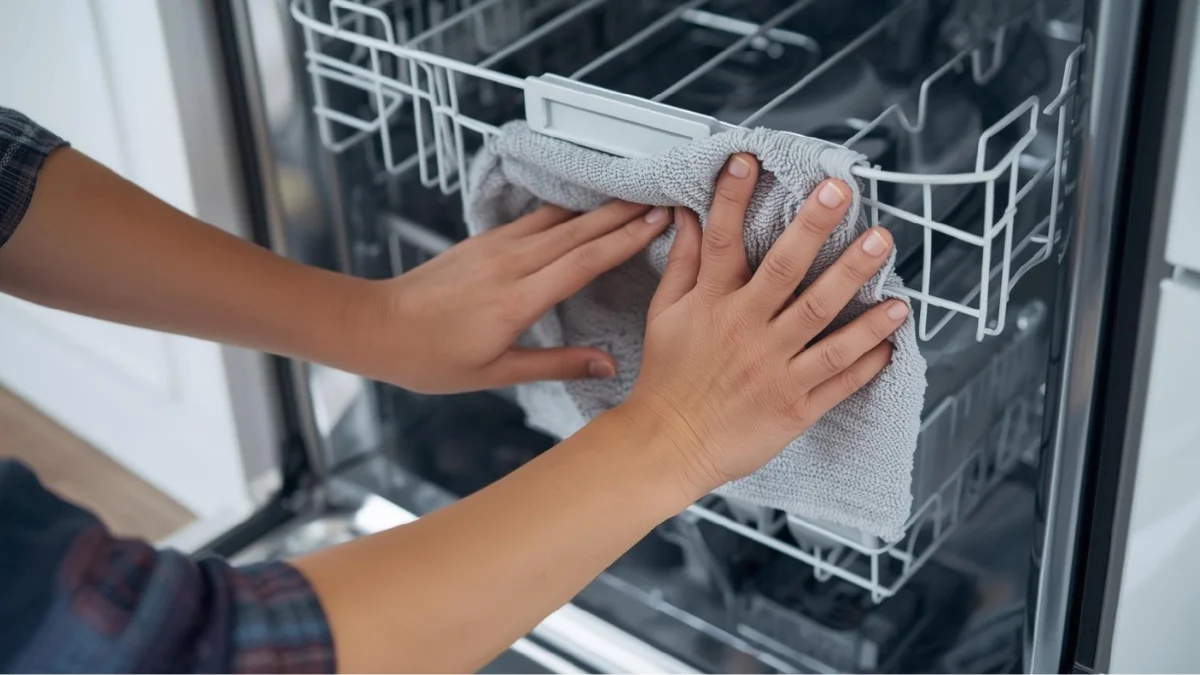
- Clean appliances regularly
- Follow manufacturer guidelines
- Replace filters and seals as recommended
- Schedule periodic servicing
Quick Answer:
Proper maintenance can extend the lifespan of kitchen appliances by several years.
Not Sure Where to Start?
If you’re still unsure which appliance fits your needs, start with our curated guides that compare the best options across different categories and budgets.
👉 Explore the best kitchen appliances for every budget and use case
How We Evaluate Kitchen Appliances
Kitchen appliances featured or discussed on this site are evaluated using:
- Manufacturer specifications and certifications
- Energy efficiency standards
- Verified customer feedback
- Long-term usability and maintenance requirements
- Suitability for different household sizes
Recommendations are based on research and user value, not brand sponsorships.
👉 Explore our best blender picks for detailed comparisons and recommendations.
Conclusion
Choosing the right kitchen appliances requires thoughtful consideration of your space, lifestyle, and long-term needs. By focusing on performance, energy efficiency, and reliability, you can create a kitchen that is functional, efficient, and enjoyable for years to come.
About the Author
This article was written by a home appliance researcher with experience analyzing kitchen appliances, consumer product performance, and energy efficiency standards. Content is reviewed and updated regularly to ensure accuracy and relevance.
Content Update Policy
This guide is periodically reviewed to reflect new kitchen appliance technologies, updated efficiency standards, and evolving consumer needs.
FAQs
What are the most essential kitchen appliances?
The most essential kitchen appliances are a refrigerator, an oven or cooktop, a dishwasher, and a microwave. Small appliances like blenders and coffee makers are optional, but add convenience.
How do I choose the right kitchen appliances for my home?
Choose kitchen appliances based on your kitchen size, household size, cooking habits, energy efficiency needs, and budget. Measuring available space before buying is critical.
Are energy-efficient kitchen appliances worth it?
Yes, energy-efficient kitchen appliances reduce electricity and water usage, lower utility bills over time, and are better for the environment, even if they cost more upfront.
How long do kitchen appliances usually last?
Most kitchen appliances last between 10 and 15 years, depending on the type, brand, usage frequency, and maintenance.
What are the common mistakes people make when buying kitchen appliances?
Common mistakes include failing to measure kitchen space, buying appliances with unnecessary features, ignoring energy ratings, and choosing style over performance.
Are smart kitchen appliances better than traditional ones?
Smart kitchen appliances offer convenience like remote control and energy monitoring, but traditional appliances are often more affordable and easier to use. The best choice depends on your lifestyle.
How can I make my kitchen appliances last longer?
You can extend the lifespan of kitchen appliances by cleaning them regularly, following manufacturer instructions, replacing filters, and scheduling routine maintenance.