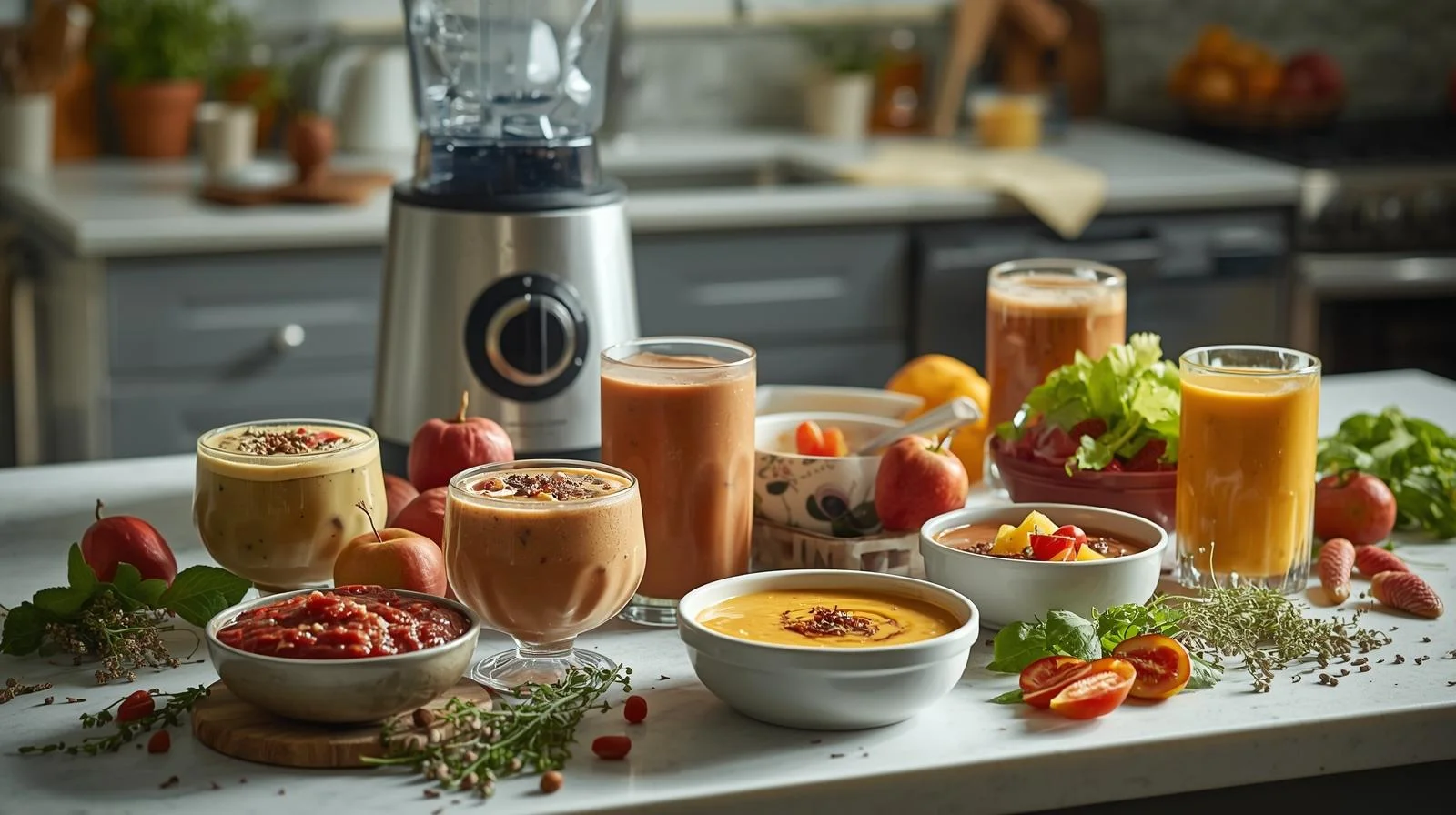
Smoothies look simple, but small mistakes can turn a healthy drink into a watery, chunky, or overworked mess. If your blender struggles with frozen fruit, your smoothies separate quickly, or the texture never feels quite right, the problem is usually not the recipe — it’s the blending habits.
The good news is that most smoothie problems are easy to fix once you know what to watch for. In this guide, we’ll walk through the most common blender mistakes that affect texture, flavor, and performance — and how to correct them for consistently smooth results.
Let’s fix them
1. Adding Ingredients in the Wrong Order
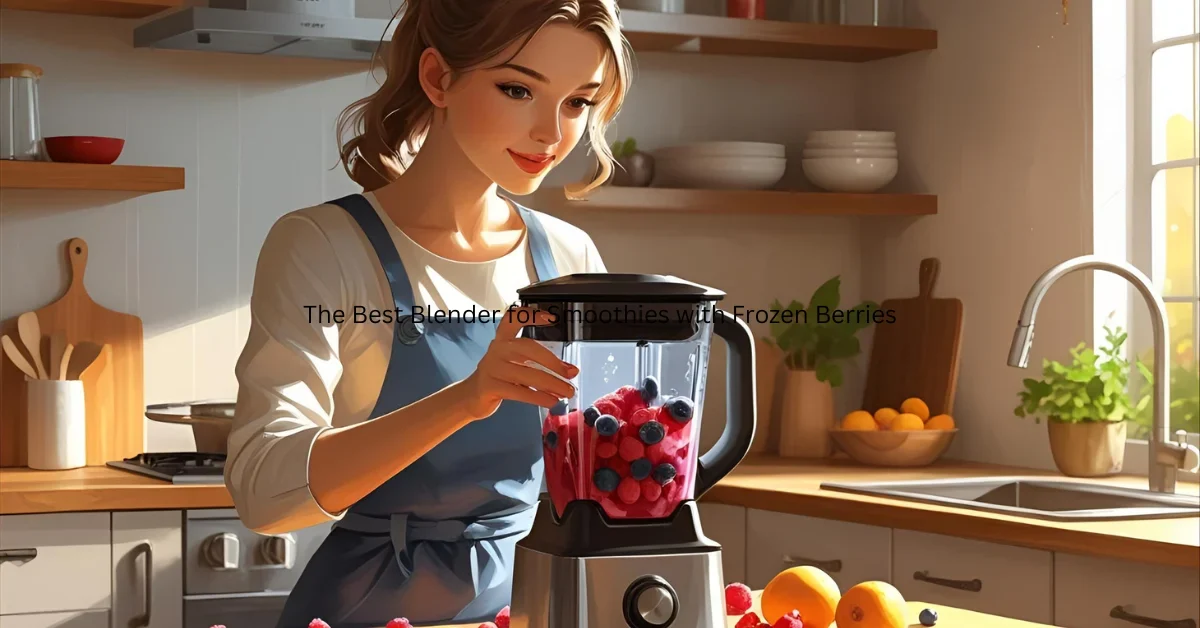
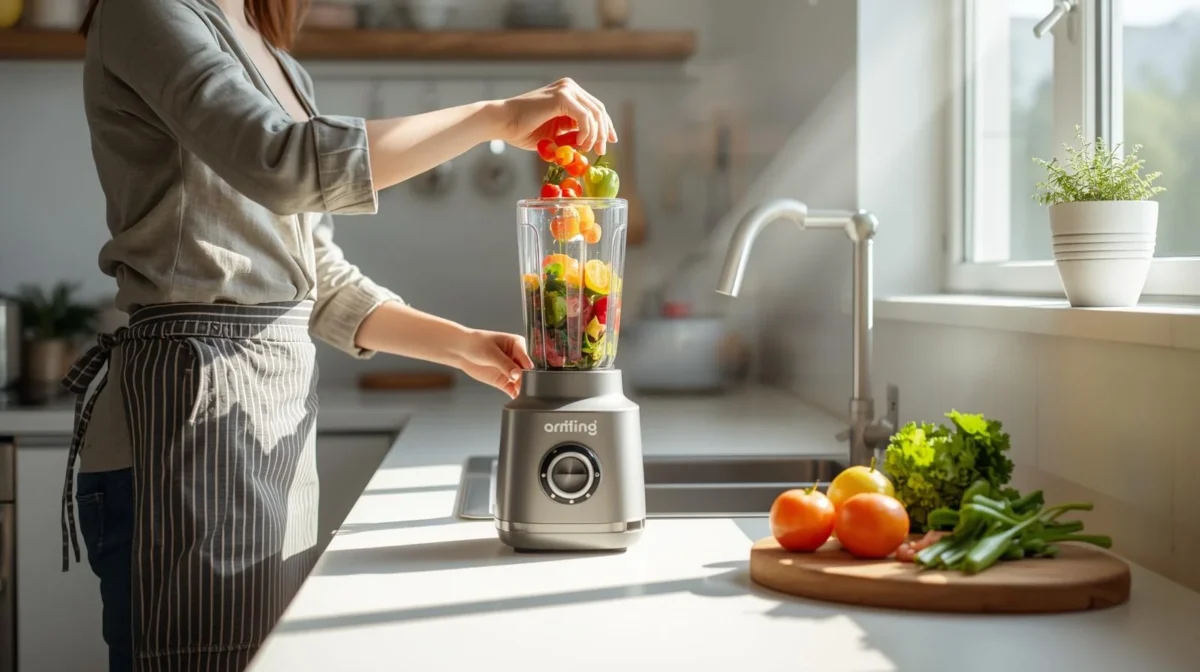
A common mistake while using a blender is adding ingredients randomly or in the wrong order. This will produce unevenly blended mixtures with inconsistent flavor. As a result, the smoothie will taste overly sweet at the bottom and bland at the top.
Putting the ingredients in the wrong order can also strain the motor or even damage your blender.
Quick fix: Always add liquids first, followed by soft foods, hard foods, and ice. Cut larger items into smaller pieces before adding them to the blender.
2. Using Too Much Ice
Using Too Much Ice
Ice seems like the easiest way to make smoothies cold and thick, but it often does more harm than good. Ice is hard and dense, which forces the blender to work harder before it can properly circulate the ingredients.
When the blender spends too much time crushing ice, softer ingredients like fruit and yogurt don’t blend evenly. This often leads to smoothies that taste watery, separate quickly, or contain tiny ice chunks that ruin the texture. It can also make your blender louder and increase wear on the motor over time.
Frozen fruit creates thickness without watering down flavor and blends more smoothly than large ice cubes.
Quick fix:
Use frozen bananas, berries, or mango to thicken smoothies. Add only a few small ice cubes at the end if needed.
3. Not Using Enough Liquid
Using too little liquid in a blender can make a smoothie overly thick, lumpy, or unevenly mixed, forcing you to stop and stir the ingredients manually. This lack of fluid creates resistance, causing the blender motor to work harder than intended.
Over time, the strain can lead to overheating, damage to the motor coupling, and faster wear on the blades as they struggle to cut through dense or frozen ingredients.
The result is not only a poor texture but also reduced appliance lifespan and efficiency. Maintaining the right liquid-to-solid ratio ensures smooth blending, consistent texture, and protects your blender from unnecessary stress.
Quick Fix:
Add more liquid—such as water, milk, or juice—until the mixture flows smoothly while blending. Start with 1 cup of liquid and adjust gradually.
4. Overfilling the Blender Jar
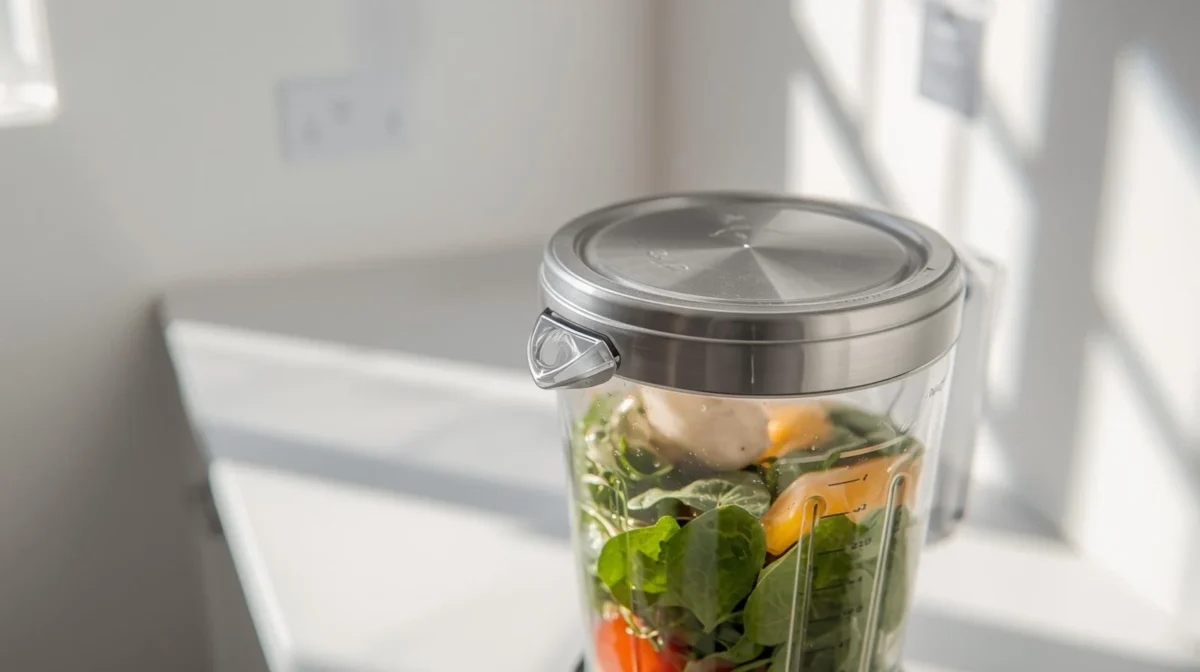
Overfilling a blender jar can damage the appliance and ruin your blend. When the jar is packed too tightly, ingredients lack the space needed to form a proper vortex, preventing smooth circulation.
The motor strains to move jammed blades, which can cause overheating, burning smells, or even permanent burnout. Excess pressure may force the lid off or cause leaks, splattering contents and damaging the base seal.
Uneven blending leads to inconsistent textures—some parts over-processed, others chunky—and can make smoothies separate into thick and watery layers. The blender may even stall, requiring manual intervention to restart the process.
Quick fix:
Always keep ingredients below the maximum fill line, layer them properly, and blend in smaller batches if needed.
5. Blending for Too Long
Blending for too long, usually more than three minutes, can make your blender overheat and damage the motor. The heat from the fast-spinning blades can also warm up your smoothie, making it less fresh and reducing its nutrients.
Overuse can wear out the couplings, dull the blades, and cause too much air to mix in, leaving your drink foamy or separated.
When the smoothie gets too warm, it loses its cool, refreshing taste and may not be as healthy. Too much air also speeds up oxidation, which breaks down vitamins and changes the flavor.
Quick fix:
Blend in short 30- 60 second bursts and follow the manufacturer’s recommended run time.
6. Ignoring Your Blender’s Power Limits
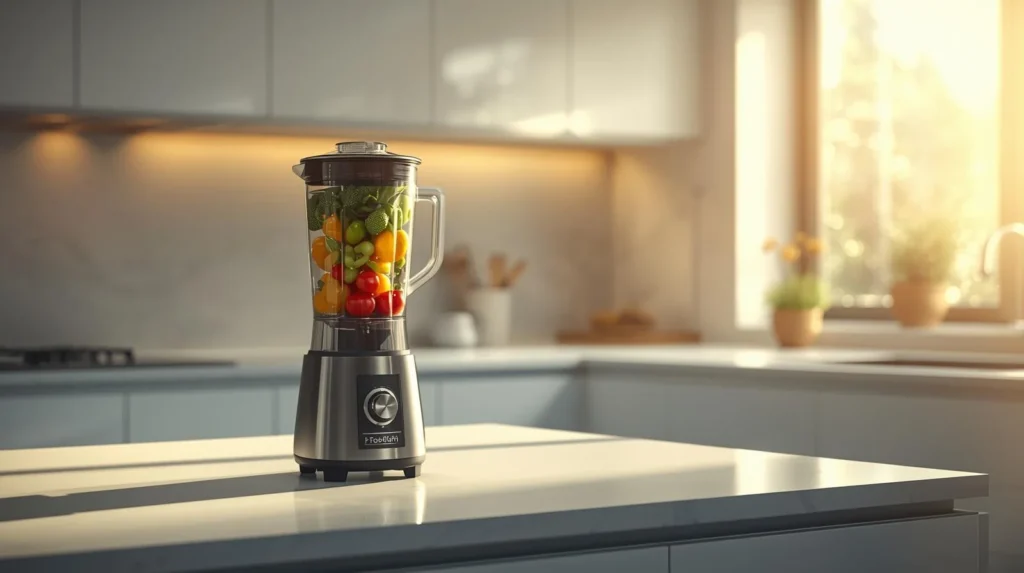
Most people often tend to use blenders without considering the blenders’ power limits or manufacturer warnings.
Putting too many ingredients in your blender, using lots of frozen items without enough liquid, or blending for too long can strain the motor and ruin your smoothie.
When the blender is overloaded, the blades can’t spin properly, causing the motor to overheat and possibly shut down or burn out. Instead of a smooth, creamy drink, you’ll end up with a thick, lumpy mix that’s hard to pour.
The extra heat from the overworked motor can also warm up your smoothie, making it even lose its fresh taste and smooth texture.
Quick fix:
Add liquid first, fill the pitcher only three-quarters full, use pulse mode for hard items, blend for no more than 60 seconds, and cut ingredients into smaller pieces.
Not all blenders are designed for frozen fruit and ice.
7. Forgetting to Clean Immediately
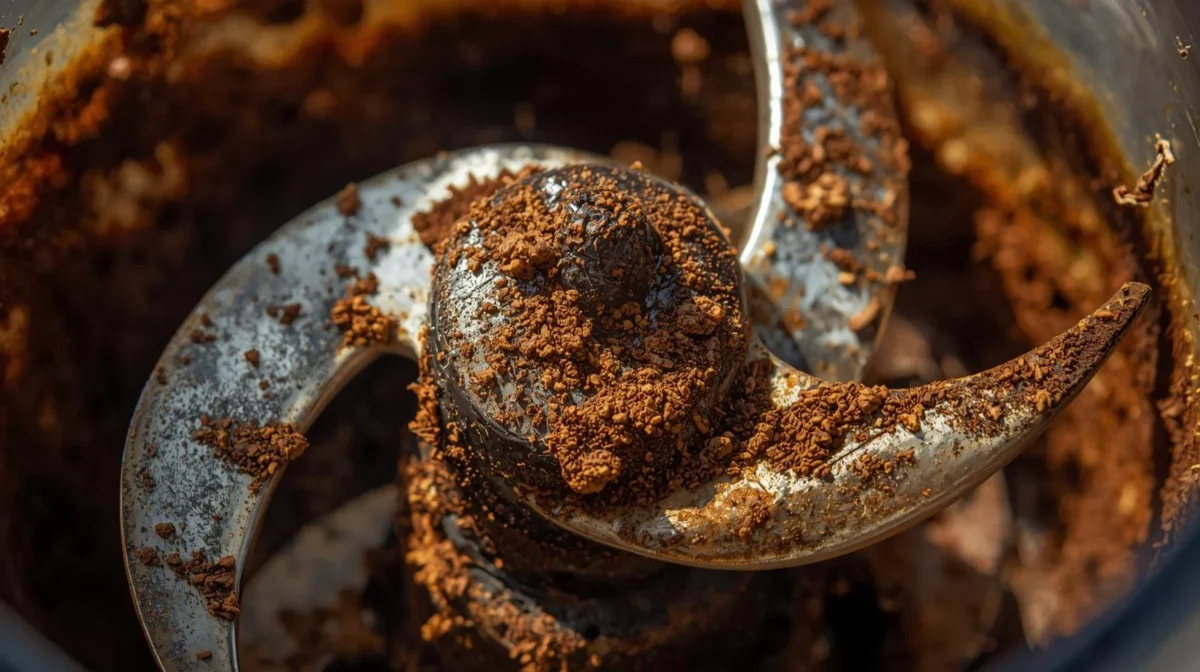
Not cleaning your blender after making smoothies can seriously damage it and create a health risk. Leftover smoothie bits can dry into a sticky, hard layer that’s tough to remove and can stop the blades from turning properly.
This strain can make the motor overheat or even burn out. Moisture and acidic fruits like lemons or berries can also cause the blades to rust and corrode over time.
The leftover residue often hides under the blades and around the rubber gasket, where mold and bacteria can grow. As old food builds up, it can make your fresh smoothies smell and taste sour or stale.
Quick fit :
Clean the blender right after use by blending warm water with a drop of dish soap for 30–60 seconds, and deep clean by removing the gasket and blades occasionally.
Small Changes Make a Big Difference
Great smoothies don’t require complicated recipes — just better blending habits. Fixing these common mistakes can improve texture, flavor, and consistency almost immediately, while also reducing strain on your blender.
If your current blender still struggles with frozen fruit or ice even after adjusting your technique, it may be time to consider a model designed for tougher ingredients. You can start with our guide to the best blenders for smoothies and frozen drinks to find reliable options that make daily blending easier.