


Last updated in January 2026
Choosing the right stockpot size depends on how many people you cook for and what you cook most often.
Most home cooks use stockpots between 6 and 20 quarts, with 8–12 quarts being the most common range for families. Smaller pots work well for soups and pasta, while larger stockpots are better for batch cooking, stock making, and holidays.
This stockpot size guide breaks down exact stockpot sizes by household size and cooking use, so you can choose the right pot without wasting money or kitchen space
Stockpot Size Quick Answer
- 6–8 quarts: Singles, couples, small soups
- 8–10 quarts: Families of 3–4
- 10–12 quarts: Large families, frequent soup cooking
- 16–20+ quarts: Batch cooking, stock, canning, holidays
Quick rule: If you cook soup or pasta weekly, a 12-quart stockpot offers the best balance of capacity and usability.
How Big Is a Stock Pot? (Stockpot Sizes Explained)
A stock pot typically ranges from 6 to 20+ quarts.
For most households, 8–12 quarts is the standard stockpot size for everyday cooking such as soup, pasta, and stews.
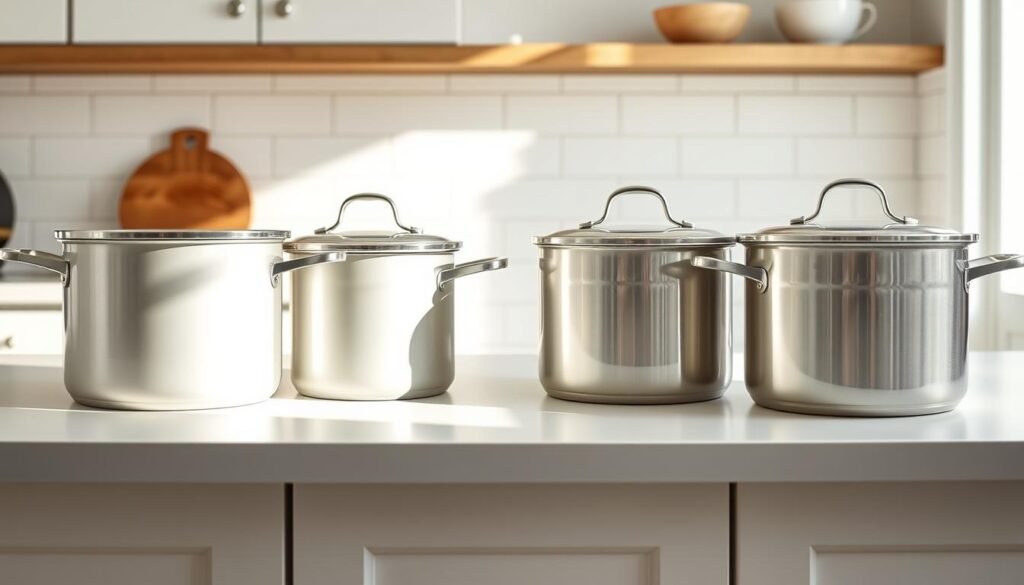
Stockpot sizes range from small 6-quart models to large 20+ quart options
Stockpots are typically measured in quarts, which refers to their liquid capacity. One quart equals approximately 4 cups or 32 fluid ounces. Understanding these measurements is crucial when selecting the right size for your cooking needs.
Stockpot Sizes Chart by Household
A stock pot typically ranges from 6 to 20+ quarts.
For most households, 8–12 quarts is considered the standard stockpot size for everyday cooking.
| Stockpot Size | Ideal For | Typical Uses |
| 6 qt | Singles or couples | Small batches of soup, cooking pasta for 1-2 people, and small side dishes |
| 8 qt | Families of 3-4 | Family meals, standard pasta cooking, everyday soups, and stews |
| 10-12 qt | Families of 5-7 | Large family dinners, small batch cooking, medium-sized stock preparation |
| 16+ qt | Meal prep & big events | Large batch cooking, canning, holiday meals, and homemade stocks in quantity |
The right stockpot size creates a balance between having enough capacity for your typical cooking needs without being unnecessarily large. A properly sized pot made from durable stainless steel will distribute heat evenly and provide years of reliable service.
Cooking Use Case Calculator
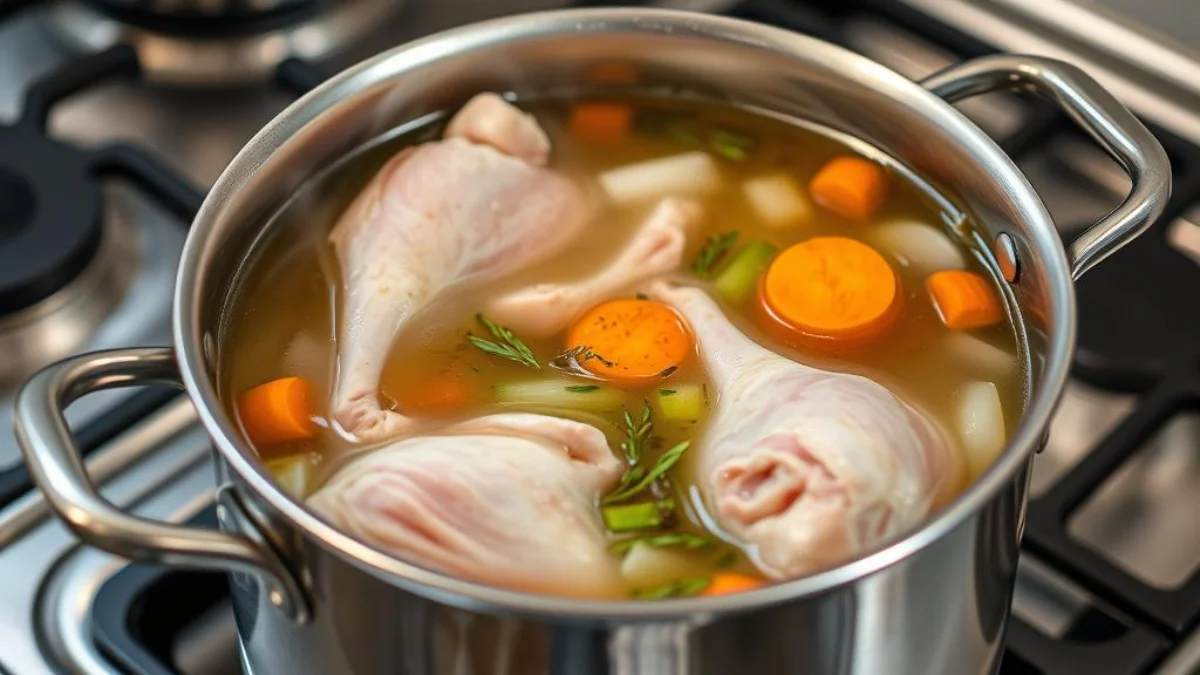

Different cooking tasks require specific stockpot sizes for optimal results.
The cooking you do most frequently should heavily influence your decision about stockpot size. Each cooking method has different space requirements and benefits from specific pot dimensions.
| Cooking Type | Recommended Size | Why This Size Works Best |
| Soup/stew | 10-12 qt | Provides enough room for ingredients to simmer without boiling over, while allowing space for stirring |
| Broth/stock | 12-20 qt | Accommodates bones, vegetables, and enough water to extract flavors while reducing |
| Pasta | 8-12 qt | Provides sufficient water volume to prevent sticking and allows pasta to cook evenly |
| Seafood boil | 16-24 qt | Offers space for layering seafood, corn, potatoes, and seasoned water |
| Canning | 20+ qt | Accommodates multiple jars with proper water coverage and circulation |
When selecting a stockpot, consider which of these cooking methods you’ll use most frequently. If you regularly make homemade stocks or broths, investing in a larger pot with high-quality, durable stainless steel construction will serve you well. For primarily pasta cooking, a medium-sized pot with excellent heat distribution will be sufficient.
Real-World Meal Scenarios
Let’s explore how different household scenarios influence the ideal stockpot size. These practical examples will help you visualize your own cooking needs.
Feeding a Family of 6
For a household of six people, daily cooking requires significant capacity. A 12-quart stockpot provides ample space for family dinners without requiring multiple batches.
This size accommodates large pasta dishes, hearty stews, and soups with enough leftovers for lunch the next day. The extra capacity also prevents boil-overs when cooking starchy foods like pasta or potatoes that tend to foam up during cooking.
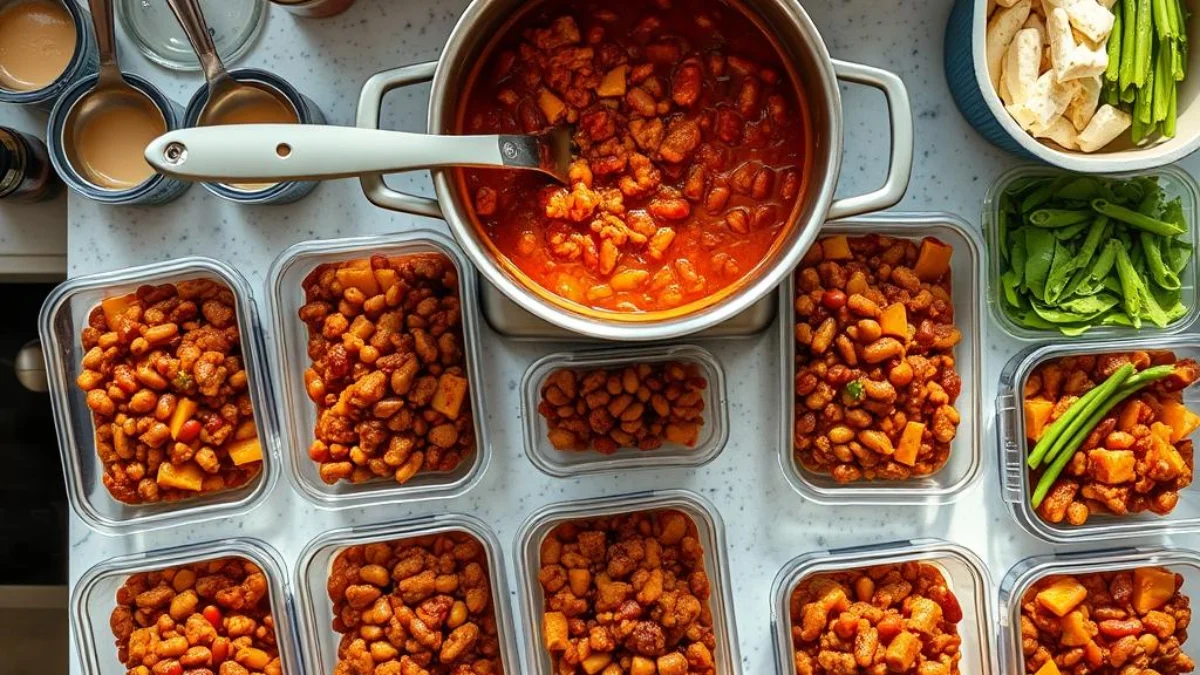
Batch cooking requires larger stockpots to maximize efficiency
Weekly Batch Cooking
If you practice meal prepping or batch cooking to save time during busy weekdays, a 16-quart stockpot is ideal. This size allows you to prepare 8-10 portions of soup, stew, or chili in a single cooking session. The larger capacity lets you cook once and store multiple meals, saving time and energy. A high-quality pot with excellent heat distribution ensures even cooking throughout the large batch.
Hosting Holidays
Holiday gatherings demand extra cooking capacity. A 20-quart stockpot handles large-format cooking for large family meals, accommodating everything from mashed potatoes for 12 people to gravy preparation or large batches of mulled cider. The substantial size eliminates the stress of insufficient cooking space during special occasions when you’re serving more people than usual.
Freezer Meal Creation
For those who like to stock their freezer with homemade ready-to-heat meals, a 16-20-quart stockpot is essential. This size efficiently produces multiple family-sized portions in a single cooking session. The large capacity lets you make 3-4 family meals at once, maximizing your time investment and ensuring you have quality homemade meals whenever you need them.
Household Size Chart
Finding the perfect stockpot size starts with understanding your household’s basic needs. This chart provides a quick reference guide based on how many people you regularly cook for.
| Household Size | Ideal Stockpot | Maximum Meal Capacity |
| 2-3 people | 6-8 qt | 4-6 servings |
| 4-5 people | 8-10 qt | 8-10 servings |
| 6-7 people | 10-12 qt | 12-14 servings |
| 8+ people | 16-24 qt | 16-24+ servings |
Remember that these recommendations account for some leftovers. If you rarely save leftovers, you might choose a slightly smaller size. Conversely, if you regularly cook with the intention of having multiple leftovers, consider upgrading to the next capacity range.
Find Your Perfect Family Stockpot
Not sure which size is right for your specific cooking style? Our detailed guide can help you make the perfect choice.
Storage & Weight Considerations
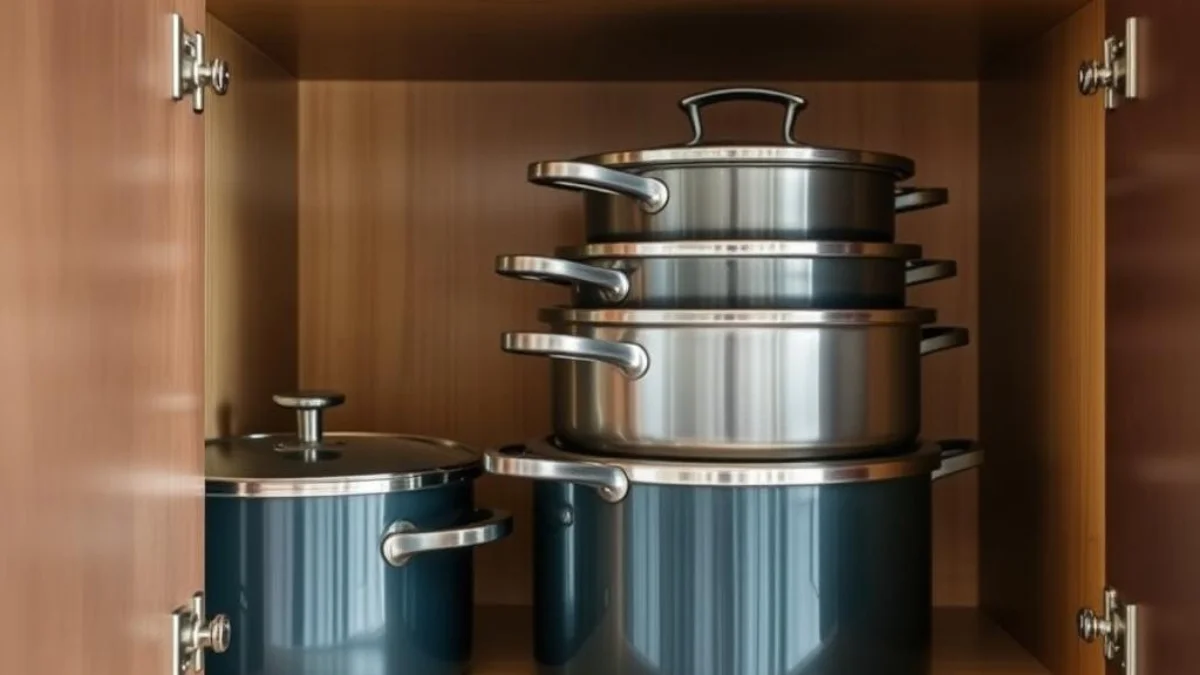
Practical storage solutions for stockpots of different sizes
Beyond cooking capacity, the physical dimensions and weight of your stockpot will impact your daily kitchen experience. These practical considerations are often overlooked but can significantly affect your satisfaction with your purchase.
Cabinet Space Issues
Before purchasing a stockpot, measure your cabinet height and width. Large stockpots (16+ quarts) typically require at least 12 inches of vertical cabinet space and may not fit in standard upper cabinets. Consider where you’ll store your pot and whether you have adequate space for your desired size. Some kitchens may require under-counter storage for larger pots, which affects accessibility.
Pot Nesting Tips
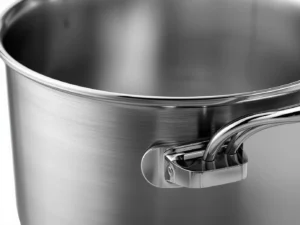

If space is limited, look for stockpots designed with straight sides rather than curved ones, as these nest more efficiently. Some manufacturers offer sets designed explicitly for nesting, with removable or folding handles. For maximum space efficiency, consider a set in which smaller pots nest inside larger ones, potentially saving up to 70% of storage space compared to storing them separately.
Material Weight Comparisons
| Material | Average Weight (12qt pot) | Pros | Cons |
| Aluminum | 3-4 lbs | Lightweight, excellent heat conductor | Less durable, can react with acidic foods |
| Stainless Steel | 5-7 lbs | Durable, non-reactive, dishwasher safe | Heavier than aluminum, may have hot spots |
| Multi-ply (Steel + Aluminum) | 6-8 lbs | Excellent heat distribution, durable | Heavier, more expensive |
| Cast Iron | 12-15 lbs | Superior heat retention, very durable | Extremely heavy, requires special care |
Remember that a full 12-quart stockpot can weigh over 25 pounds when filled with liquid. Consider your ability to safely lift and maneuver this weight, especially when transferring hot contents. For those with strength or mobility concerns, aluminum or lighter stainless steel options may be preferable, though they may entail trade-offs in durability or heat distribution.
8 vs 12 Quart Stock Pot: Which Size Is Better?
- 8-quart stockpot: Best for families of 2–4, pasta, and everyday soups
- 12-quart stockpot: Better for frequent soup cooking, leftovers, and batch meals
Which should you choose?
If you cook soup weekly or want leftovers, choose 12 quarts. Otherwise, 8 quarts is sufficient.
Capacity Sweet Spot
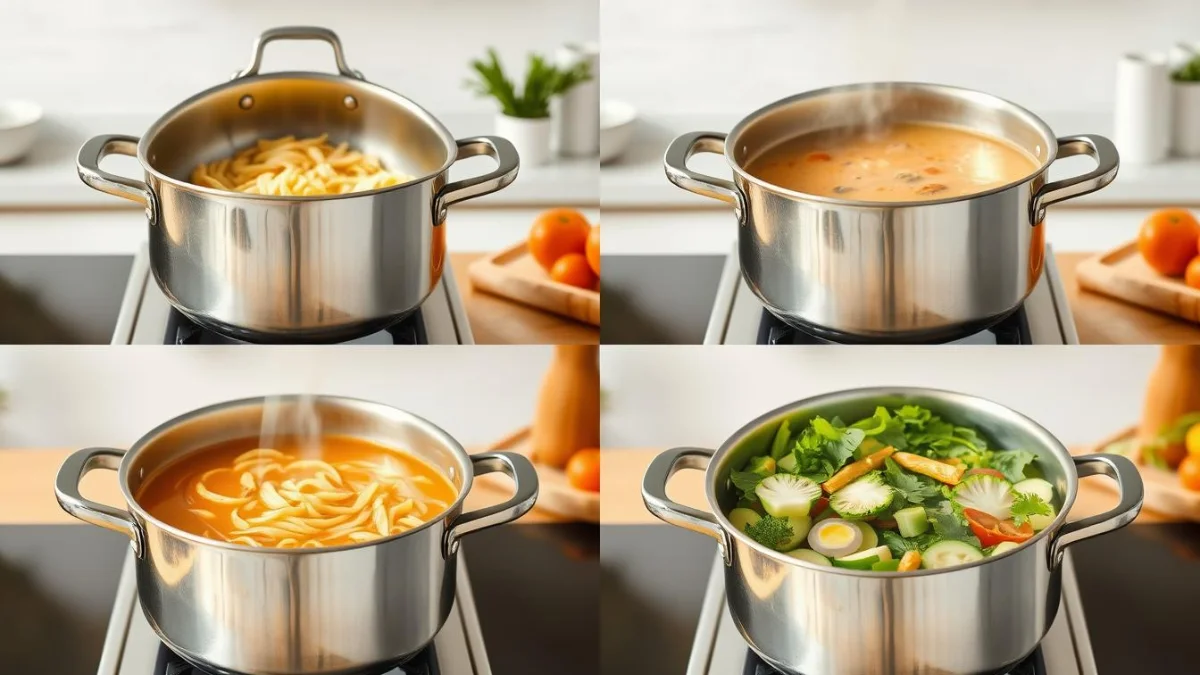
The 12-quart stockpot offers exceptional versatility for most household cooking needs.
Why 12 qt is the Best “All-Purpose” Size
If you’re looking for the single most versatile stockpot size, 12 quarts hits the sweet spot for most households. This capacity is sufficient to handle family meals without being unwieldy in a standard kitchen. A 12-quart stockpot can comfortably cook pasta for 6-8 people, prepare a week’s worth of soup for a family of four, or make a moderate batch of homemade stock.
The 12-quart size also strikes an excellent balance between capacity and manageability. It’s large enough to prevent boil-overs when cooking pasta, yet not so large that it’s difficult to store or handle. Made from durable stainless steel with a multi-ply construction, this size distributes heat evenly while remaining practical for everyday use.
12qt Stockpot Advantages
- Versatile enough for most family cooking needs
- Manageable weight when full
- Fits in most standard kitchen cabinets
- Sufficient for moderate batch cooking
- Works well for pasta, soups, stews, and small stock batches
12qt Stockpot Limitations
- It may be insufficient for large holiday gatherings
- Not ideal for serious canning projects
- Limited capacity for large-scale batch cooking
- Too large for singles or couples who rarely entertain
- It may be excessive for small kitchens with limited storage
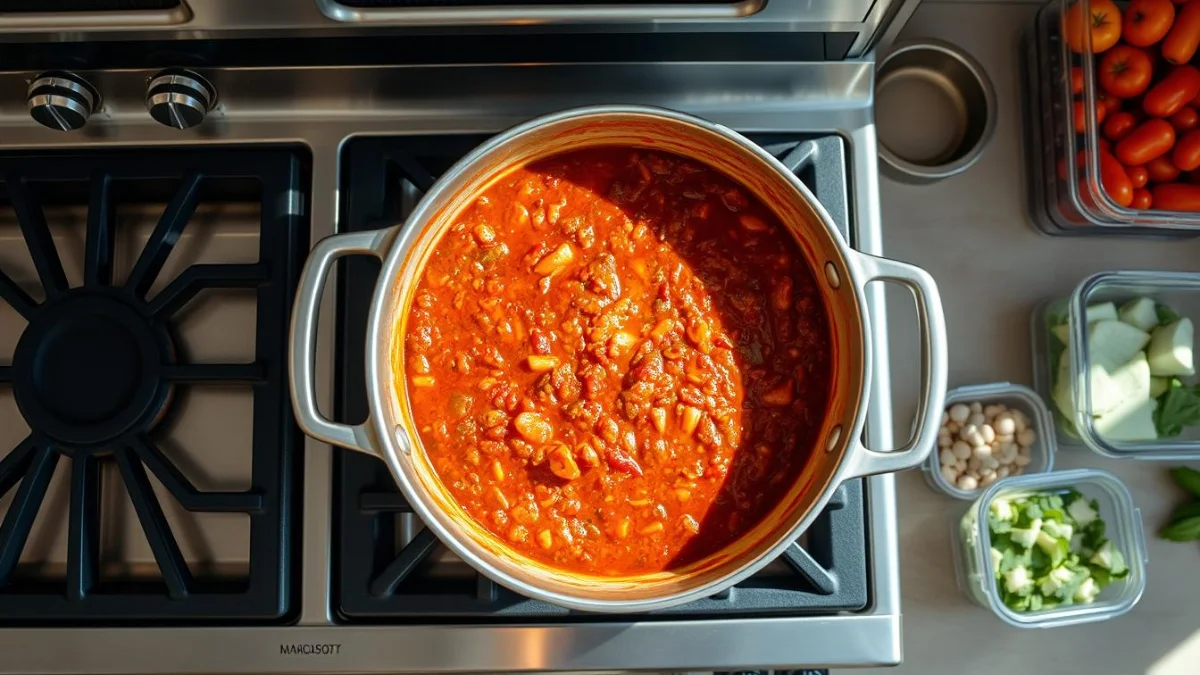
Serious batch cooking requires the capacity of a 20+ quart stockpot
Why Serious Batch Cooks Need 20+ qt
For dedicated meal preppers, canners, or those who regularly cook for large groups, a 20+ quart stockpot becomes essential. This larger capacity allows you to maximize efficiency by cooking in true bulk—preparing 10-15 meals in a single session or processing multiple canning jars simultaneously.
The primary advantage of these larger pots is time efficiency. Rather than making multiple smaller batches, you can prepare everything at once, saving both time and energy. A high-quality 20+ quart pot with excellent heat distribution ensures even cooking throughout the large volume, producing consistent results despite the size.
Pro Tip: When using very large stockpots, consider the BTU output of your stovetop. Standard residential burners may struggle to efficiently heat 20+ quart pots. For best results with large stockpots, use your largest, highest-output burner or consider specialized high-output burners if you regularly cook in large volumes.
Best Size Picks for Different Needs
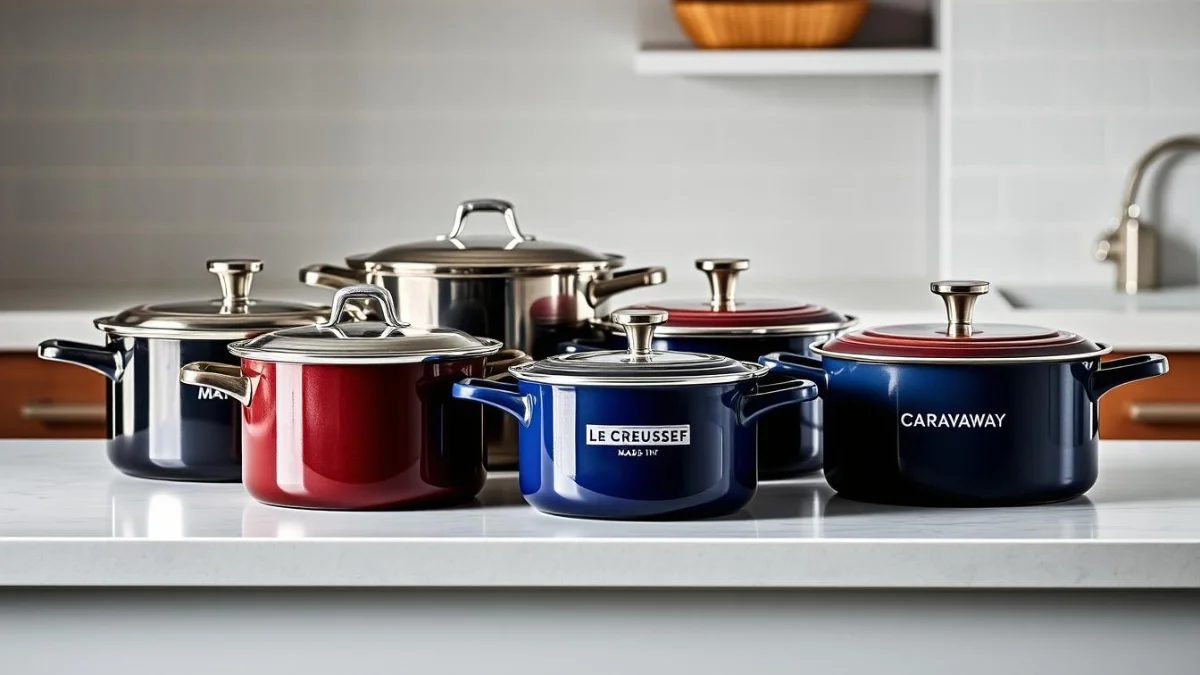
Quality stockpots in the correct size make all the difference in cooking performance.
Based on our comprehensive analysis, here are our top stockpot recommendations for different household needs. Each pick balances capacity, quality, and practical considerations.
👉 Check our Best Stockpots for Large Families recommendations
Conclusion: Right-Sizing Prevents Buyer’s Regret

The right stockpot size enhances your cooking experience and kitchen efficiency
Choosing the correct stockpot size is more than a matter of convenience—it’s about maximizing your kitchen’s efficiency and your cooking enjoyment. An appropriately sized stockpot made from durable stainless steel will serve your family for years, handling everything from weeknight pasta to holiday feasts with equal ease.
Remember that the ideal size balances your household needs, cooking style, storage constraints, and physical handling capabilities. For most families, the 12-quart size offers exceptional versatility, while those who regularly cook in large batches will benefit from 20+ quart options. Singles and couples may find that 6-8-quart pots meet their needs perfectly.
By taking the time to assess your specific requirements using our size guide, you’ll avoid the frustration of insufficient capacity or the wasted space and awkward handling that come with an oversized pot. Your perfectly sized stockpot will become one of your most-used kitchen tools, making meal preparation more efficient and enjoyable for years to come.
FAQs About Stockpot Size Guide
What size stockpot is best for a family of four?
An 8 to 10-quart stockpot is ideal for a family of four. A 12-quart pot is better if you cook in large batches or want leftovers
How many quarts do I need to make stock?
An 8-quart pot works for small batches of stock. For larger batches or multiple bones, use a 12 to 20-quart stockpot
Can I use a stockpot that’s too big?
Yes, but it is less efficient. Large stockpots heat more slowly and cook unevenly if underfilled. Ingredients should fill at least one-third of the pot.
What’s the difference between a stockpot and a Dutch oven?
A stockpot is tall and designed for liquid-based cooking, such as soups and stocks. A Dutch oven is wider and heavier, designed for slow cooking, braising, and baking
How much does a full stockpot weigh?
Water weighs about 2.1 pounds per quart. A full 12-quart stockpot typically weighs around 30 to 32 pounds.
What’s the best material for a stockpot?
Stainless steel is the best material for stockpots because it is durable, non-reactive, and easy to clean. Multi-ply stainless steel provides better heat distribution