Why More People Are Buying Espresso Machines for Home
For many coffee lovers, espresso is more than just a beverage — it’s a daily ritual. The bold flavor, rich crema, and aromatic complexity of a well-brewed espresso shot can elevate an ordinary morning into a café-quality experience.
But choosing the best espresso machine for home use can be confusing. With so many options available — manual machines, semi-automatic models, capsule systems, and fully automated espresso makers — finding the right machine depends on your skill level, budget, and brewing preferences.
This ultimate guide explains how espresso machines work, the different types available, and the key features you should consider before buying. Whether you’re a beginner exploring home espresso or a coffee enthusiast upgrading your setup, this guide will help you make the right decision.
If you're comparing espresso machines with other brewing methods, our coffee maker buying guide explains how different coffee machines work and which one is right for your kitchen.
Quick Answer: What Is the Best Espresso Machine for Home?
If you’re looking for the best espresso machine for home use, the right choice depends on your experience level and budget.
Best espresso machines for different needs:
- Best for beginners → Capsule or automatic espresso machines
- Best value → Semi-automatic machines with built-in grinders
- Best convenience → Super-automatic espresso machines
- Best for coffee enthusiasts → Semi-automatic machines with manual control
Machines like the Breville Bambino, De’Longhi Magnifica, and Nespresso Vertuo are popular choices because they balance performance, ease of use, and affordability.
A Brief History of Espresso Machines
Espresso machines have evolved dramatically since their invention in the late 19th century.
The first espresso machine was created in 1884 by Angelo Moriondo in Italy, designed to brew coffee quickly for busy cafés. In 1901, Luigi Bezzera improved the design, making it commercially viable for restaurants and coffee shops.
Early espresso machines were bulky, complex, and difficult to operate. Over the decades, however, manufacturers introduced innovations such as pressure pumps, temperature control systems, and automated brewing features.
Today’s espresso machines are far more accessible, allowing home baristas to enjoy café-quality espresso with convenient features like:
- built-in grinders
- programmable settings
- automatic milk frothing
- digital temperature control
These advancements explain why espresso machines have become increasingly popular for home kitchens.
Quick Picks: Best Espresso Machines for Home (2026)
| Category | Recommended Type | Best For |
|---|---|---|
| Best for Beginners | Capsule Espresso Machines | Quick and simple brewing |
| Best Budget Option | Entry-Level Espresso Machines | Affordable home espresso |
| Best for Coffee Lovers | Semi-Automatic Machines | Greater brewing control |
| Best for Convenience | Super-Automatic Machines | Fully automated brewing |
| Best Long-Term Investment | Prosumer Machines | Café-quality espresso |
Types of Espresso Machines
Understanding the four main types of espresso machines will help you choose the best one for your needs.
Manual Espresso Machines
Manual machines (also called lever machines) require the user to control the brewing pressure manually by pulling a lever.
Pros
- maximum control over extraction
- traditional espresso experience
- Often produces excellent espresso
Cons
- steep learning curve
- slower brewing process
- Popular models include:
- La Pavoni Europiccola
- Elektra Microcasa a Leva
Manual machines are best suited for experienced home baristas who enjoy the craft of espresso making.
These early machines were heavy and hard to use. But they laid the foundation for today’s espresso machines.
Semi-Automatic Espresso Machines
Semi-automatic machines strike a balance between control and convenience.
Users grind and tamp the coffee manually, but the machine manages water pressure and temperature during extraction.
Pros
- Excellent control over flavor
- Easier than manual machines
- Popular among enthusiasts
Cons
- Still requires practice
Popular examples include:
- Breville Barista Express
- Gaggia Classic Pro
Semi-automatic machines are often considered the best choice for serious home coffee enthusiasts.
Automatic Espresso Machines
Automatic machines simplify brewing by automatically controlling water flow and extraction time.
Pros
- easier to operate
- consistent results
- faster brewing process
Cons
- less manual control
Popular models include:
- Jura E6
- DeLonghi Magnifica
Automatic machines are ideal for users who want convenience while maintaining decent control over espresso quality.
Super-Automatic Espresso Machines
Super-automatic machines handle every step of the brewing process automatically.
These machines can:
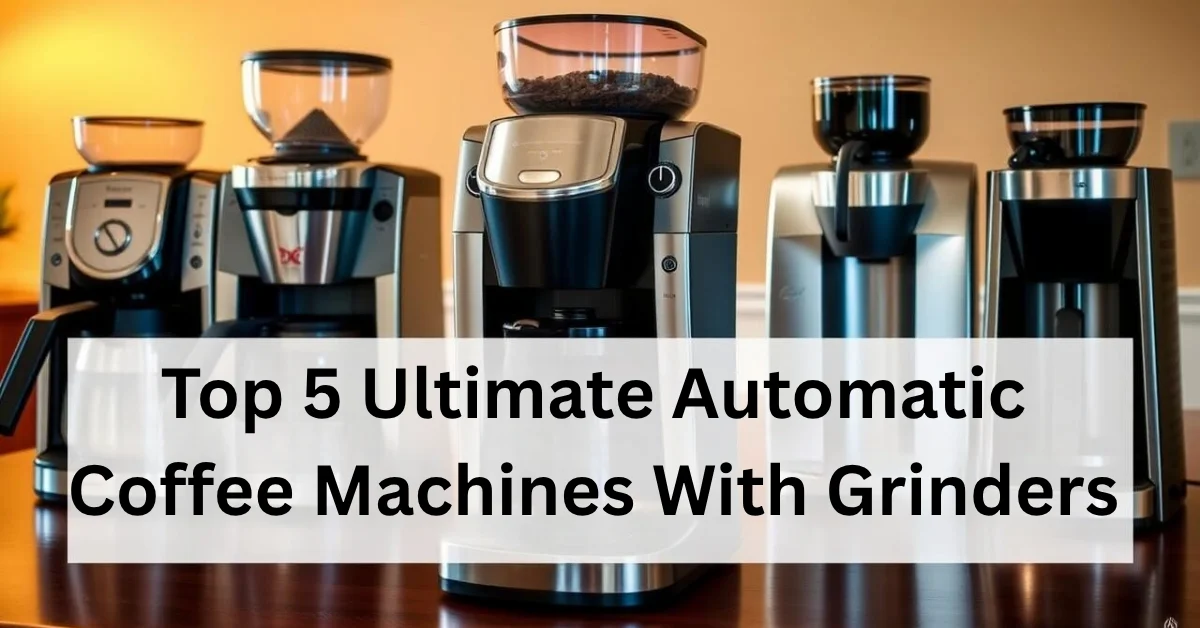
- grind beans
- brew espresso
- froth milk
- clean internal systems
Pros
- extremely convenient
- consistent results
- minimal effort required
Cons
- expensive
- limited customization
Popular models include:
- DeLonghi Dinamica
- Saeco Xelsis
Super-automatic machines are perfect for busy households or users who prioritize convenience.
Many coffee drinkers prefer simpler brewing systems. If convenience is your priority, you may want to explore the best single-serve coffee makers designed for quick daily use.
Key Features to Consider When Buying an Espresso Machine
When comparing espresso machines, several technical features affect the quality of the coffee produced.
Boiler Type
The boiler system controls how water is heated inside the machine.
Common types include:
Single boiler
Suitable for beginners but slower when switching between brewing and steaming.
Dual boiler
Allows simultaneous espresso brewing and milk steaming.
Heat exchanger
A professional-style system commonly found in high-end machines.
Pump Pressure
Espresso requires consistent pressure to extract flavor from finely ground coffee.
The industry standard is 9 bars of pressure, although many machines advertise higher numbers.
What matters most is consistent pressure during extraction.
Temperature Control
Temperature stability significantly affects espresso flavor.
Machines with PID temperature controllers provide precise temperature regulation, improving shot consistency.
Built-in Grinder
Freshly ground coffee dramatically improves espresso flavor.
Machines with integrated grinders are convenient, but many coffee enthusiasts prefer a separate burr grinder for better grind control.
Milk Frothing System
If you enjoy cappuccinos or lattes, the steam wand is essential.
Consider:
- steam power
- ease of use
- milk texture quality
Some machines offer automatic milk frothing systems, which are convenient for beginners.
If you enjoy cappuccinos or lattes, pairing your espresso machine with one of the best electric milk frothers can make it easier to create café-style drinks at home.
Budget Considerations
Espresso machines vary widely in price. Choosing the right machine depends on your budget and expectations.
Budget Espresso Machines ($50–$200)
These machines are suitable for beginners who want to experiment with home espresso.
Pros
- affordable
- simple operation
Cons
- limited durability
- fewer advanced features
Mid-Range Espresso Machines ($200–$700)
Mid-range machines offer better performance and durability.
Features often include:
- stronger pumps
- improved temperature control
- better steam wands
This category offers the best balance between price and performance.
High-End Espresso Machines ($700+)
High-end machines provide professional-level espresso performance.
Typical features include:
- dual boilers
- PID temperature control
- commercial-grade components
These machines are best suited for serious coffee enthusiasts or experienced home baristas.
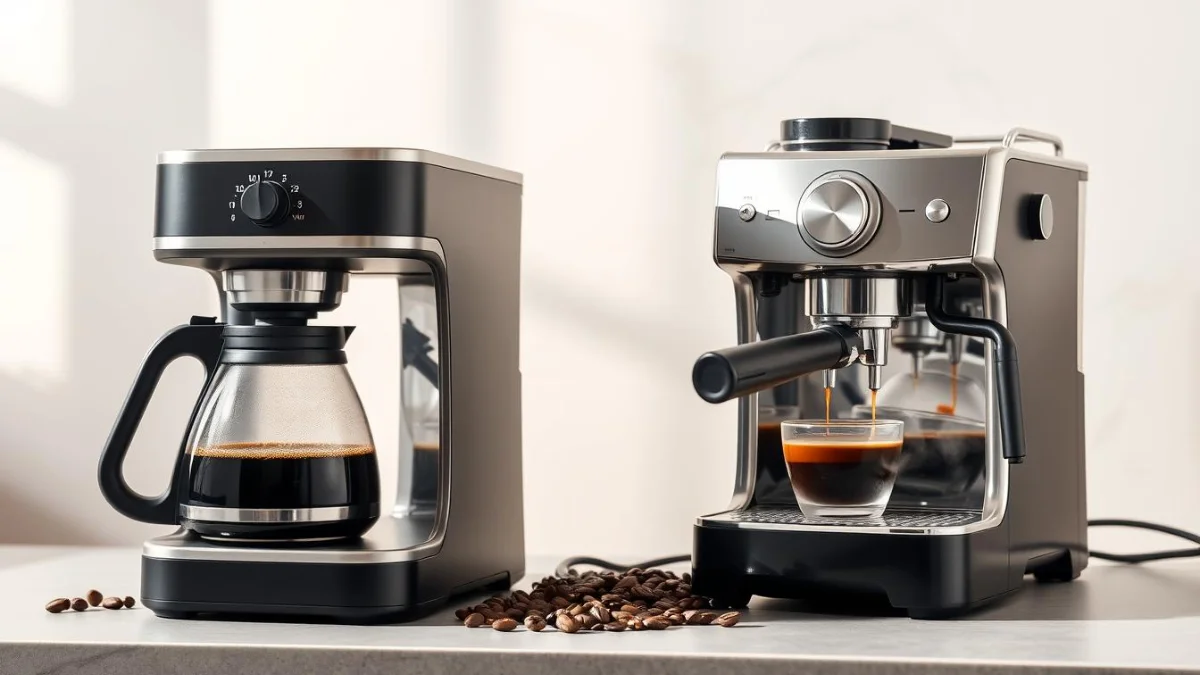
If you're deciding between espresso and drip coffee systems, our comparison of coffee maker vs espresso machine explains the differences in flavor, brewing style, and convenience.
Best Espresso Machine Brands
Choosing a reputable brand improves reliability and long-term satisfaction.
Breville
Breville is widely known for producing high-quality home espresso machines with innovative features.
Popular models include:
- Breville Barista Express
- Breville Bambino
You can read our Breville Bambino espresso machine review to see why it’s a favorite among home baristas.
If you're considering this brand, our Breville Bambino espresso machine review explains why it’s one of the most recommended beginner espresso machines.
De’Longhi
De’Longhi machines combine Italian design with reliable performance.
Their espresso machines are known for durability and intuitive operation.
Popular models include:
- De’Longhi Magnifica
- De’Longhi Dinamica
Gaggia
Founded in Milan in 1948, Gaggia has long been associated with authentic espresso machines.
The Gaggia Classic Pro is one of the most popular semi-automatic espresso machines available.
Jura
Jura specializes in premium automatic espresso machines.
Their machines are known for advanced automation and exceptional build quality.
Popular models include:
- Jura E8
- Jura E6
Maintenance Tips for Espresso Machines
Proper maintenance ensures your espresso machine continues producing great coffee.
Daily Cleaning
Clean these parts regularly:
- portafilter
- group head
- steam wand
This prevents coffee residue buildup.
Descaling
Mineral buildup from water can affect machine performance.
Descale your espresso machine every 1–3 months, depending on water hardness.
Replacing Components
Certain components wear out over time, including:
- gaskets
- filters
- O-rings
Check the manufacturer’s manual for recommended replacement schedules.
Proper cleaning and descaling are essential for maintaining your espresso machine and preserving coffee flavor.
Many coffee lovers also keep a second brewing method at home — see our guide to best programmable coffee makers without pods for an alternative option.
Tips for Making the Perfect Espresso at Home
Making great espresso involves several key factors. Use Fresh Coffee Beans
Fresh beans produce better flavor and aroma.
Adjust Grind Size
Espresso requires a fine grind.
Too coarse → weak espresso
Too fine → bitter espresso
Apply Consistent Tamping Pressure
Aim for approximately 30 pounds of tamping pressure for even extraction.
Use Filtered Water
Water quality affects espresso taste. Filtered water prevents impurities and mineral buildup.
Monitor Extraction Time
The ideal espresso extraction time is 25–30 seconds.
Adjust grind size if the extraction is too fast or too slow.
Fresh grinding dramatically improves espresso flavor. If you prefer capsule brewing, our guide to single-serve coffee makers without pods shows eco-friendly alternatives.
Final Thoughts: Choosing the Best Espresso Machine
Choosing the best espresso machine for your home ultimately depends on your budget, skill level, and coffee preferences.
Beginners may prefer convenient automatic machines, while experienced coffee enthusiasts often enjoy the control offered by semi-automatic machines.
Regardless of the machine you choose, investing in a quality espresso setup can transform your daily coffee routine.
With the right equipment, fresh beans, and a little practice, you can create café-quality espresso drinks right in your own kitchen.
If you’re building a complete coffee station, explore our other guides, such as:
- coffee maker buying guide
- best single-serve coffee makers
- best electric milk frothers
These resources can help you create the perfect home coffee setup.
FAQ: Choosing an Espresso Machine
To build a complete home coffee setup, explore our detailed guides on coffee makers, espresso machines, and milk frothers.
Related Guides
- coffee maker buying guide
- espresso machine reviews
- milk frother guides
- single-serve coffee maker posts
What is the best espresso machine for beginners?
Beginners often prefer automatic or capsule-based espresso machines because they are easy to use and require minimal setup.
Do I need a grinder for espresso?
Yes. Freshly ground coffee improves flavor and crema.
What pressure is best for espresso?
The industry standard for espresso extraction is 9 bars of pressure.
How long do espresso machines last?
Budget machines typically last 2–5 years, while high-quality machines can last 10 years or more with proper maintenance.