


Learn how to make Dutch oven seasoning step by step. Clean, season, and maintain cast iron to keep it nonstick for years.
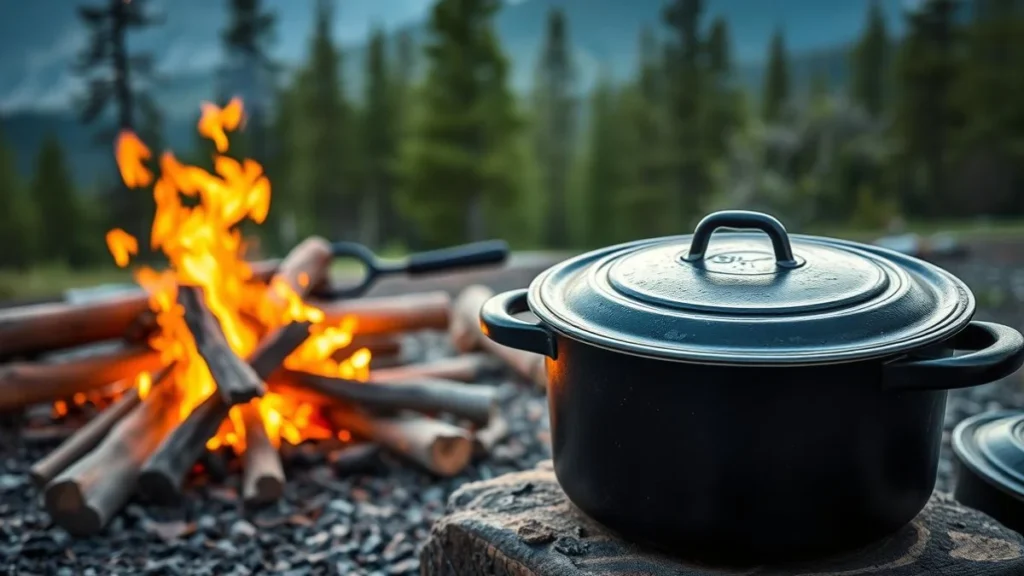
A well-seasoned Dutch oven is the secret weapon of successful camp cooking. That glossy black finish isn’t just for looks—it’s a protective barrier that prevents rust, creates a non-stick surface, and enhances the flavors of your outdoor meals.
Whether you’ve just purchased your first cast-iron Dutch oven or need to restore an old family heirloom, proper seasoning is essential for memorable camping meals. In this comprehensive guide, we’ll walk through everything you need to know about seasoning a Dutch oven for camping, from selecting the right oils to maintaining that perfect finish in the great outdoors.
What Is Dutch Oven Seasoning?
Seasoning a Dutch oven for camping isn’t about adding herbs and spices—it’s about creating a natural, protective coating on your cast iron. When oils are heated on the surface of cast iron, they undergo a chemical transformation called polymerization. This reaction bonds the oil to the metal, creating a smooth, plastic-like surface that protects against rust and provides non-stick properties.
This protective layer is what gives well-loved cast iron its distinctive black patina and smooth cooking surface. Unlike artificial non-stick coatings that can scratch or peel, a properly seasoned Dutch oven’s surface can be restored and maintained indefinitely, which is why some cast-iron Dutch ovens remain family treasures for generations.
Science Behind Seasoning: When oil heats on cast iron, it breaks down and transforms into a polymer that bonds with the metal. This creates a natural, non-toxic, non-stick surface that improves with use.
Why Seasoning Is Especially Important for Camping Dutch Ovens
While all cast iron benefits from proper seasoning, Dutch ovens used for camping face unique challenges that make seasoning even more critical:
Outdoor Exposure
Camping Dutch ovens face harsh conditions, including moisture, temperature fluctuations, and direct exposure to campfire flames. A strong seasoning layer provides essential protection against these conditions.
Uneven Heat Sources
Unlike kitchen cooking, campfire heat is unpredictable. Good seasoning helps distribute heat more evenly across your Dutch oven, preventing hot spots that can burn food.
Storage Challenges
Between camping trips, your Dutch oven might be stored in less-than-ideal conditions. Proper seasoning prevents rust from forming during periods of disuse.
Food Release
When cooking outdoors with limited cleaning options, a well-seasoned non-stick surface makes food release easily and cleanup much simpler.

Types of Dutch Ovens and Their Seasoning Needs
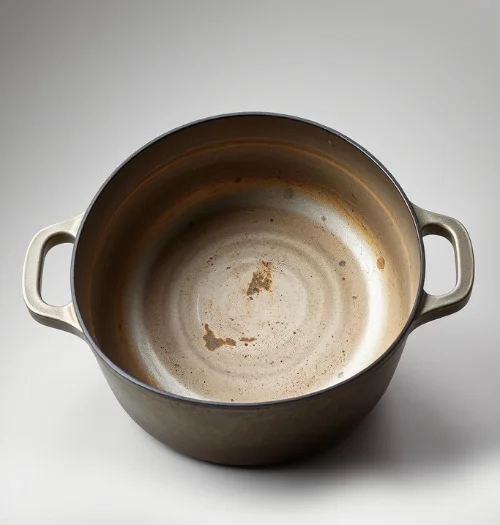
Bare Cast Iron Dutch Ovens

Seasoning Need: High
These require complete seasoning before first use. Most traditional camping Dutch ovens fall into this category. They offer excellent heat retention and develop a natural non-stick surface with proper care.
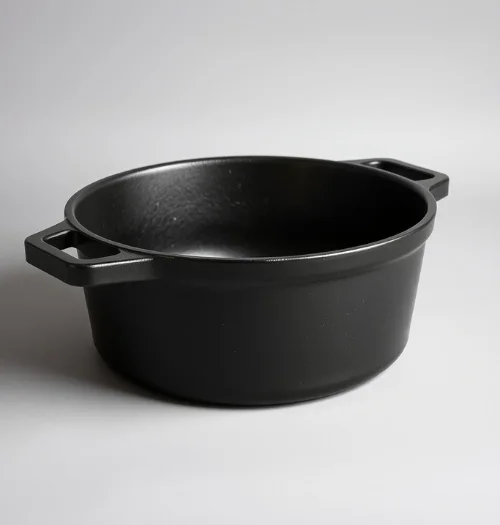
Pre-Seasoned Dutch Ovens
Seasoning Need: Medium
Most new cast-iron Dutch ovens come pre-seasoned from the factory. While usable immediately, adding your own seasoning layers improves performance and longevity.
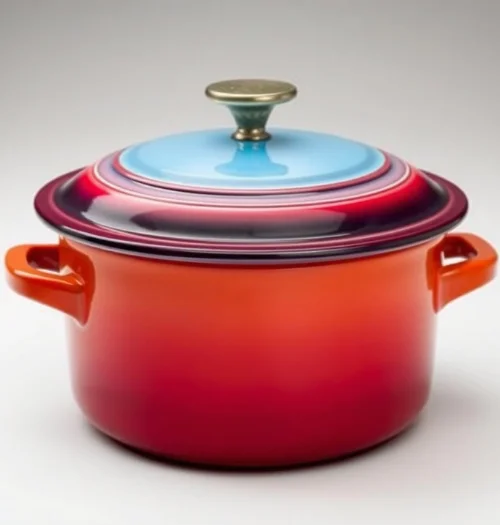
Camper’s Tip: For camping, traditional cast-iron Dutch ovens (either bare or pre-seasoned) are recommended over enameled versions. They can withstand direct flames and rough handling better than their enameled counterparts.
Supplies You’ll Need for Seasoning a Dutch Oven
Essential Tools
- Cast-iron Dutch oven and lid
- Paper towels or lint-free cloths
- Stiff brush or scouring pad (for cleaning)
- Aluminum foil
- Heat-resistant gloves
- Tongs (for handling hot items)
Seasoning Oils/Fats
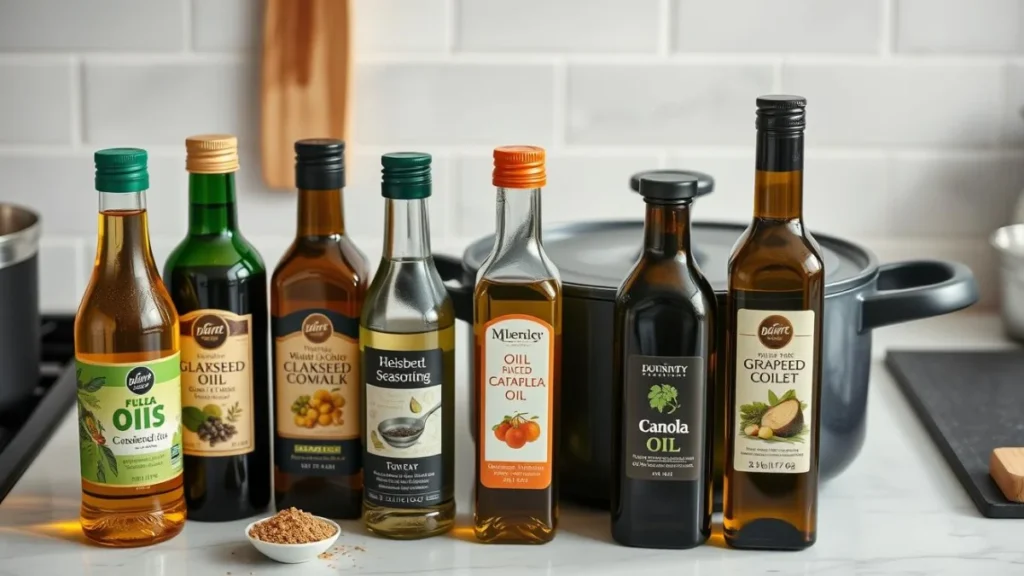
- Flaxseed oil (considered optimal)
- Grapeseed oil (excellent alternative)
- Vegetable oil
- Canola oil
- Shortening
Best Oils for Seasoning a Dutch Oven
Choosing the right oil is crucial for creating a durable seasoning on your camping Dutch oven. The best oils for seasoning have high concentrations of unsaturated fats, which polymerize more effectively than saturated fats.
| Oil Type | Smoke Point | Durability | Flavor Neutrality | Best For |
| Flaxseed Oil | 225°F (107°C) | Excellent | Good | Initial seasoning |
| Grapeseed Oil | 420°F (216°C) | Very Good | Excellent | All-purpose seasoning |
| Canola Oil | 400°F (204°C) | Good | Good | Beginners |
| Vegetable Shortening | 360°F (182°C) | Good | Very Good | Traditional seasoning |
| Lard | 370°F (188°C) | Good | Poor | Traditional recipes |
Oils to Avoid: Olive oil, butter, and bacon grease are not recommended for initial seasoning. They can leave a sticky residue or go rancid over time. Save these for cooking, not seasoning.

How to Season a Dutch Oven at Home (Oven Method)
The most reliable way to season a Dutch oven for camping is in your home oven. This method provides consistent heat for optimal oil polymerization.
Wash and Dry Thoroughly
Start with a clean slate. Wash your Dutch oven with warm water and a small amount of mild dish soap. For new Dutch ovens, this removes any manufacturing residue. For used ones, it removes dust and old food particles. Scrub thoroughly with a stiff brush, then rinse well. Dry thoroughly with a clean towel, then heat on a stovetop burner for a few minutes to evaporate any remaining moisture.
Apply a Thin Layer of Oil
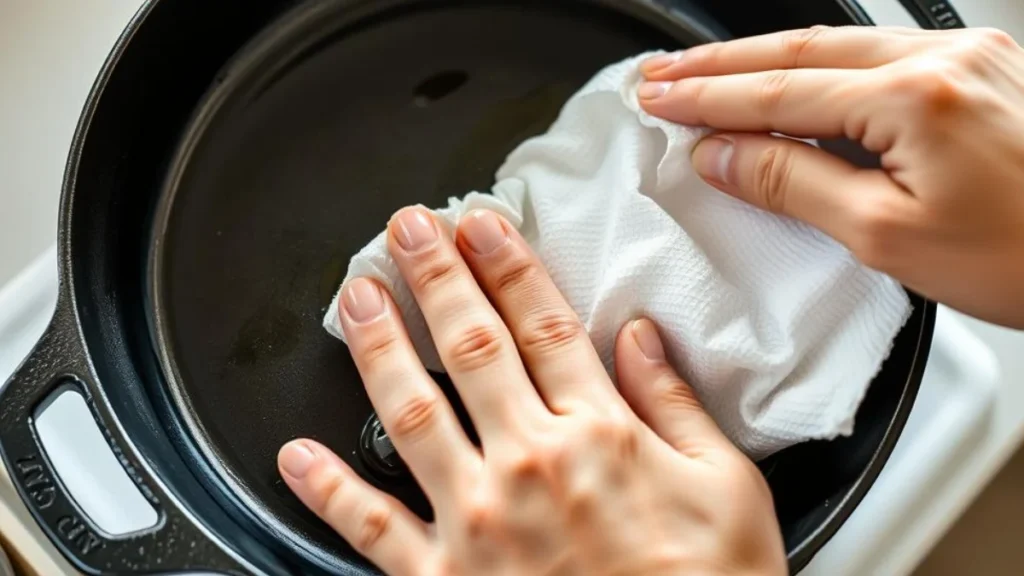
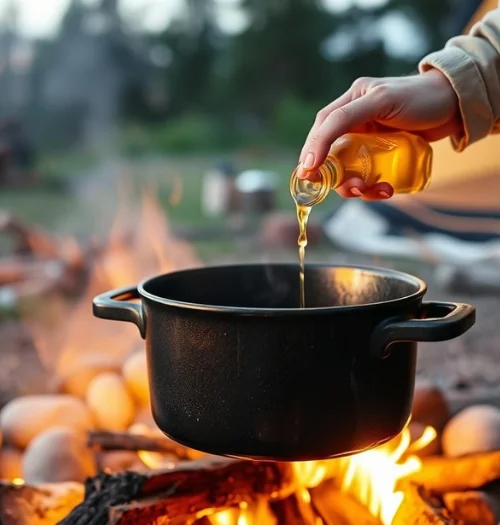
Once the Dutch oven is completely dry and slightly cooled, apply a skinny layer of your chosen oil. Pour about a teaspoon of oil into the pot and use a paper towel to spread it evenly across all surfaces—inside, outside, bottom, and handle. Don’t forget the lid! The key is to apply oil everywhere but wipe until it looks almost dry. Excess oil will create a sticky, uneven finish.
Bake Upside Down
Preheat your oven to 450-500°F (232-260°C). Place the Dutch oven upside down on the middle rack. Position the lid separately, also upside down. Place a sheet of aluminum foil on the bottom rack to catch any oil drips. Bake for one hour. The high heat allows the oil to break down and bond with the metal.
Cool and Repeat
Turn off the oven but leave the Dutch oven inside with the door closed. Allow it to cool completely—this could take 1-2 hours. Once cool, repeat the oiling and baking process at least 2-3 more times. Each layer builds a stronger seasoning. After 3-4 cycles, your Dutch oven should have a dark, semi-glossy finish.
“The secret to a great seasoning is patience and thin layers. It’s much better to apply 4-5 fragile layers than one thick, sticky layer.”
— Experienced Dutch Oven Cook
How to Season a Dutch Oven While Camping
Sometimes you need to season or touch up your Dutch oven’s seasoning while in the field. Here are three methods that work well at a campsite:
Campfire Method
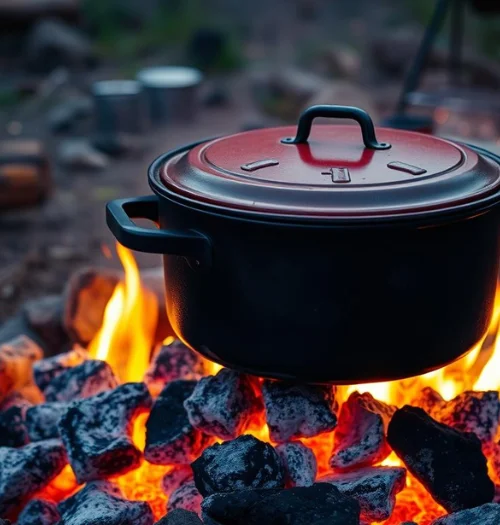
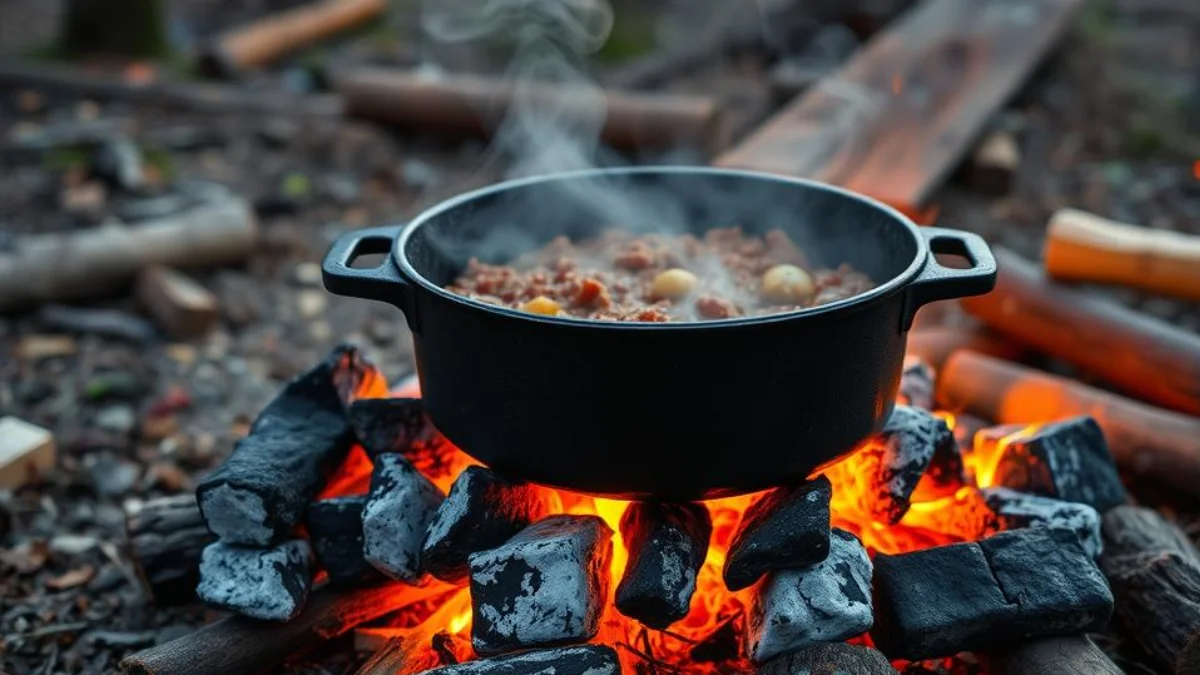
Build a good bed of coals. Apply a thin layer of oil to your Dutch oven. Place it upside down over the coals (not in flames) and position some coals on top of the inverted bottom. Maintain moderate heat for 45-60 minutes, then let cool naturally.
Camp Grill Method
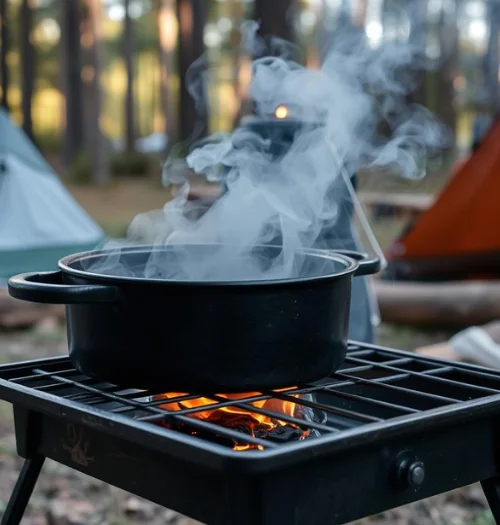
If you have a camp grill or portable propane stove, apply a thin layer of oil to your Dutch oven. Place it upside down on the grill and heat at medium-high for 45-60 minutes, rotating occasionally for even heating.
What a Properly Seasoned Dutch Oven Should Look Like
A properly seasoned Dutch oven develops its characteristics over time. Here’s what to expect:
Color
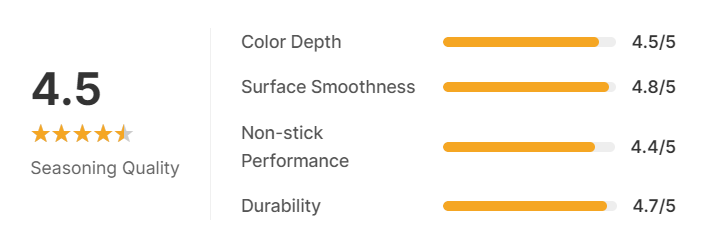
New seasoning starts as amber-brown and gradually darkens to a deep black with use. Don’t worry if your first seasoning doesn’t immediately create a jet-black finish—this develops over time.
Texture
The surface should feel smooth and hard, not sticky or tacky. Run your fingers across the surface—it should feel slick, almost like plastic or glass.
Appearance
Look for a semi-gloss to satin finish, not a dull or matte appearance. Some unevenness in the early stages is normal and will even out with use.
Performance
The true test is how it cooks. Food should release relatively easily, and water should bead up rather than spread out when dropped on the surface.

How to Maintain Seasoning During Camping Trips
Maintaining your Dutch oven’s seasoning while camping requires some special considerations:
After Each Use
- Clean while still warm (not hot), using hot water and a soft brush or scraper
- Avoid soap when possible, but mild soap is okay if necessary
- Dry thoroughly immediately after cleaning
- Apply a skinny layer of oil while it is still warm
- Heat briefly to help the oil bond with the existing seasoning
Food Considerations
- Cook fatty foods like bacon early in your camping trip to help season them.
- Save acidic foods (tomatoes, citrus, wine) for later in the trip
- Use a little extra oil or fat when cooking lean foods
- Preheat gradually to prevent food from sticking
Pro Tip: Keep a dedicated “Dutch oven kit” in your camping supplies that includes a chain mail scrubber, oil bottle, and silicone scraper specifically for maintaining your Dutch oven in the field.
How to Clean a Dutch Oven at Camp Without Ruining Seasoning
Approved Cleaning Methods
- Hot water rinse and soft brush scrubbing
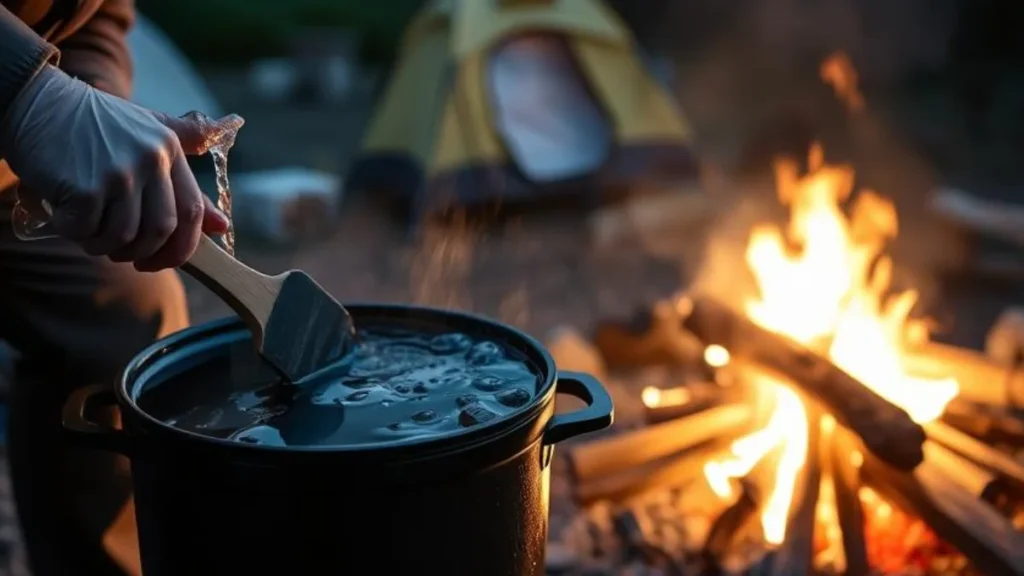
- Boiling water method: Add water, bring to a boil, scrape with a wooden spoon
- Salt scrub: Coarse salt and a paper towel for stubborn bits
- Chain mail scrubber (gentle pressure only)
- Wooden or plastic scrapers for stuck-on food
What to Avoid
- Metal scouring pads or steel wool (except for rust removal)
- Harsh detergents or dishwashing liquid with degreasers
- Soaking overnight in water
- Putting in the dishwasher
- Storing while damp or without oil coating
How to Reseason a Camping Dutch Oven
Even with proper care, your Dutch oven may occasionally need reseasoning. Here’s how to recognize when it’s time:
Signs Your Dutch Oven Needs Reseasoning
- Food sticks persistently despite proper preheating and oil use
- The surface appears dull, gray, or patchy instead of black and glossy
- You notice rust spots or flaking of the seasoning
- The Dutch oven has been stored for a long time without use
- You’ve cooked very acidic foods for extended periods
Reseasoning Process
Remove Problem Areas: If you have rust or flaking seasoning, scrub those areas with steel wool until you reach bare metal. For minor issues, a thorough cleaning with hot water and a stiff brush may be sufficient.
Clean Thoroughly: Wash the entire Dutch oven with hot water and a small amount of mild dish soap. Rinse well and dry thoroughly.
Follow Full Seasoning Process: Complete the whole seasoning process as described earlier, applying 3-4 thin layers of oil and baking between each application.
Common Seasoning Mistakes to Avoid
Using Too Much Oil
Excess oil doesn’t polymerize properly, creating a sticky, uneven surface. Always wipe until the Dutch oven looks almost dry after applying oil.
Forgetting the Lid
The lid needs seasoning, too! Many campers focus only on the pot and neglect the lid, which is equally exposed to food and elements.
Insufficient Heat
Proper polymerization requires high heat (450-500°F). Lower temperatures won’t create a durable bond between the oil and metal.
Skipping Layers
A single layer of seasoning isn’t enough for camping use. Build up 3-4 layers minimum for a durable finish that can withstand outdoor cooking.
Using Wrong Oils
Oils with low smoke points or high saturated fat content won’t polymerize effectively. Stick with recommended oils like flaxseed or grapeseed.
Improper Storage
Storing without a light oil coating or in humid conditions invites rust. Always apply a thin layer of oil before storing between camping trips.
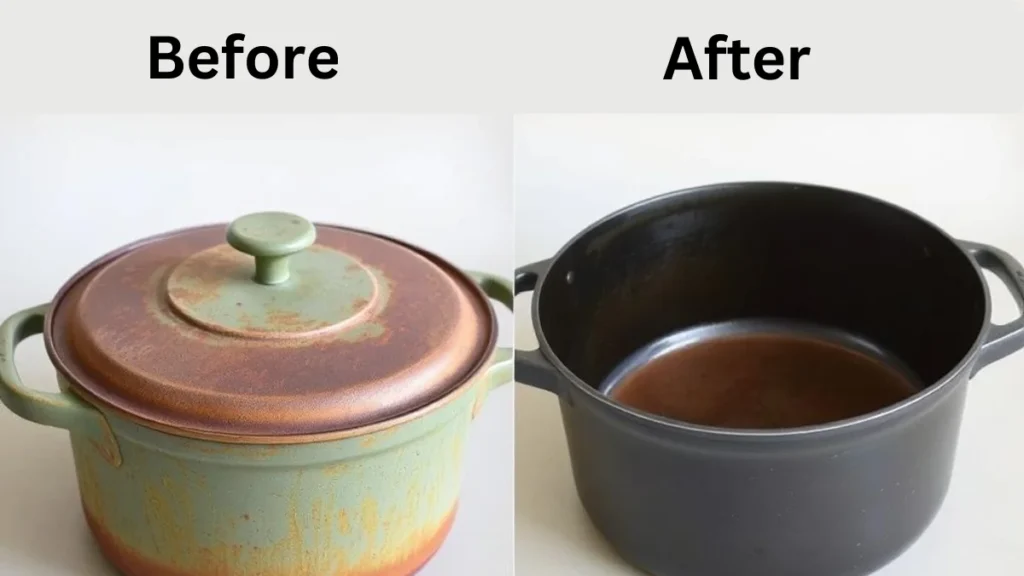
Rust Removal and Recovery
Finding rust on your camping Dutch oven isn’t the end of the world. Here’s how to bring it back to life:
For Light Surface Rust
Scrub the rusty areas with steel wool or a metal scouring pad until you reach bare metal.
Wash with hot water and a small amount of dish soap to remove all rust particles.
Dry thoroughly and immediately begin the whole seasoning process.
For Severe Rust
Vinegar Soak Method: Create a 50/50 solution of white vinegar and water. Submerge the Dutch oven for 1-3 hours (no longer, as vinegar can damage the iron). Remove, scrub with steel wool, wash, dry, and season immediately.
Baking Soda Paste: For stubborn spots, make a paste with baking soda and water. Apply to rusty areas, scrub, rinse thoroughly, and begin the seasoning process.
Dutch Oven Seasoning FAQs
Can I use soap on my seasoned Dutch oven?
Yes, you can use a small amount of mild dish soap. Modern dish soaps are gentle enough that they won’t remove properly polymerized seasoning. However, avoid soaps with strong degreasers or detergents. After washing with soap, be sure to dry thoroughly and apply a light coat of oil.
How often should I season my camping Dutch oven?
For new Dutch ovens, do an initial 3-4 layer seasoning before first use. After that, maintenance seasoning (applying a thin oil layer after cleaning) is usually sufficient after each camping trip. Full reseasoning is only needed if you notice food sticking, dull spots, or rust developing.
Will my food taste like flaxseed oil if I use it for seasoning?
No. When oil properly polymerizes during the seasoning process, it undergoes chemical changes and loses its flavor compounds. Any slight residual taste will disappear after the first few cooking sessions.
Can I season my Dutch oven on a campfire only?
Yes, but it’s more challenging to maintain a consistent temperature. For initial seasoning, the home oven method is recommended. For touch-ups while camping, the campfire method works well if you can keep a steady bed of coals (not flames) for about an hour.
How long does Dutch oven seasoning last?
With proper care, seasoning can last for years or even decades. Many family heirloom Dutch ovens have seasoning that’s been built up over generations. The key is regular maintenance, proper cleaning, and storage.
Pro Tips for Long-Term Dutch Oven Care
Storage Between Camping Trips
- Store in a cool, dry place with good air circulation
- Place a paper towel or cloth inside to absorb any moisture
- Leave the lid slightly ajar to prevent condensation
- Consider a dedicated storage bag that breathes
Seasonal Maintenance
- Before the camping season, inspect and touch up the seasoning
- After the season ends, give a thorough cleaning and fresh oil coat
- For long-term storage, consider a light coat of food-grade mineral oil
- Check periodically for rust development, even during storage
Seasonal Maintenance
- Before the camping season, inspect and touch up the seasoning
- After the season ends, give a thorough cleaning and fresh oil coat
- For long-term storage, consider a light coat of food-grade mineral oil
- Check periodically for rust development, even during storage
Camping Recipe Ideas to Build Seasoning
Certain foods actually help improve your Dutch oven’s seasoning while camping. Here are some recipes that build that perfect non-stick surface:
Bacon and Breakfast Dishes
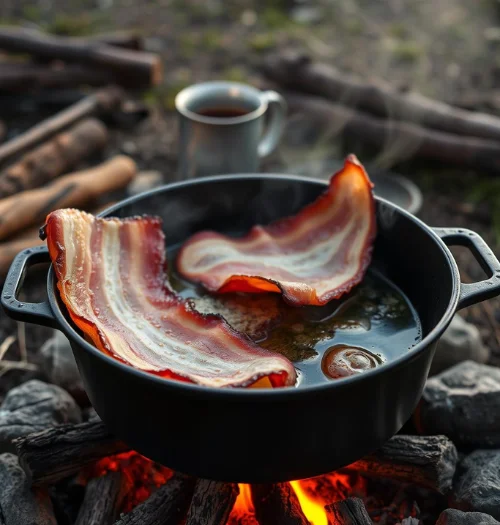
Fatty breakfast meats like bacon and sausage release oils that enhance the flavor of the seasoning. Try a breakfast skillet with bacon, potatoes, and eggs to start your day and improve your Dutch oven.
Cornbread and Baked Goods
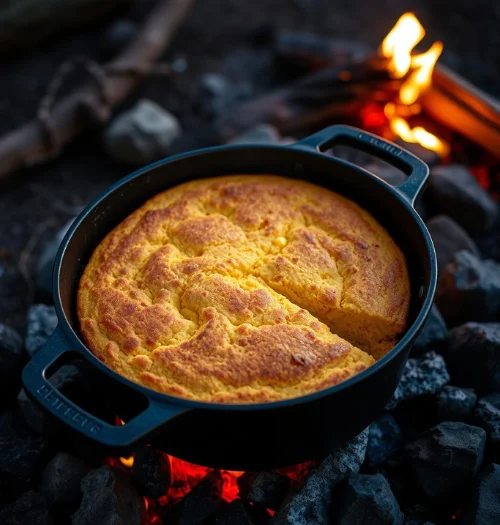
The oil in cornbread and biscuit recipes helps condition your Dutch oven’s surface. Plus, successfully baking these items proves your seasoning is working well!
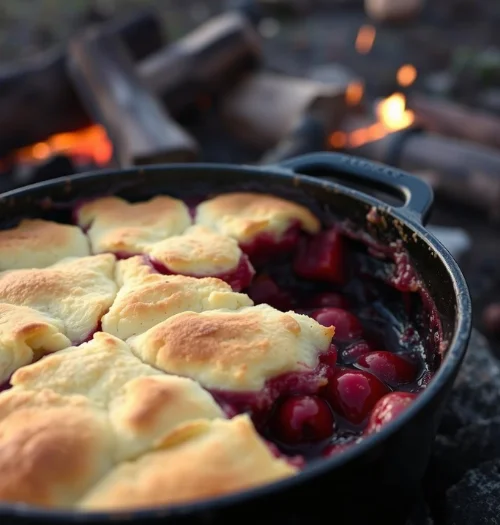
Conclusion: Your Path to Dutch Oven Mastery
Properly seasoning a Dutch oven for camping is both an art and a science. The time invested in creating and maintaining that perfect seasoning layer pays dividends in delicious meals and a cooking tool that can last for generations. Remember that seasoning is an ongoing process—each time you cook with care, you’re adding to your Dutch oven’s legacy.
Start with a thorough initial seasoning using thin layers of high-quality oil. Maintain that seasoning during camping trips with proper cleaning and storage techniques. And don’t worry if you encounter setbacks like rust or sticky spots—with the methods in this guide, you can restore your Dutch oven to its former glory.
Now that you know how to season a Dutch oven for camping, you’re ready to create memorable outdoor meals that will make you the hero of your next camping trip. Happy cooking under the stars!