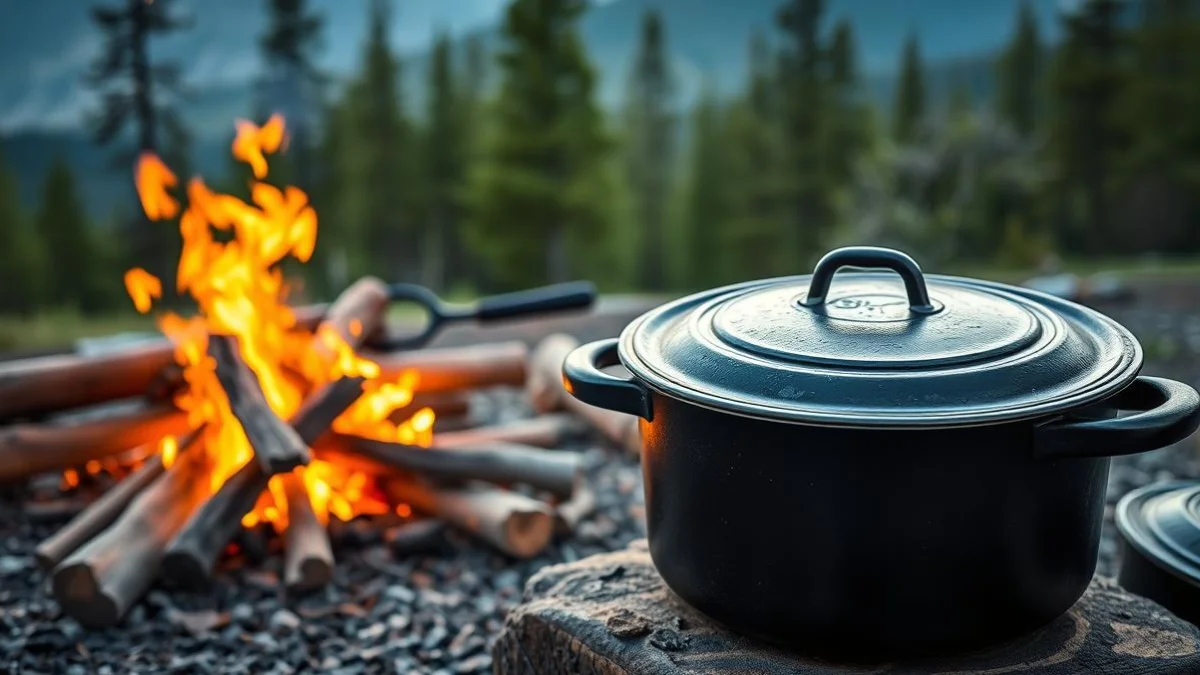
A properly seasoned Dutch oven is one of the most reliable cooking tools you can own. Whether you’re cooking over a campfire or on a home stovetop, seasoning creates the protective layer that prevents rust, improves heat distribution, and builds the natural non-stick surface that cast iron is famous for.
However, many beginners are unsure how to season a Dutch oven correctly. Using the wrong oil, applying too much oil, or using the wrong temperature can lead to sticky surfaces or uneven coatings.
This guide explains Dutch oven seasoning step by step, including:
- How seasoning works
- The best oils to use
- How to season a new Dutch oven
- How to maintain seasoning during camping trips
- How to restore rusty cast iron
By the end, you’ll know exactly how to create and maintain a durable, non-stick seasoning layer that can last for years.
Quick Answer: How to Season a Dutch Oven
To season a cast-iron Dutch oven:
- Wash the Dutch oven with warm water and dry thoroughly.
- Apply a very thin layer of oil to all surfaces.
- Place the Dutch oven upside down in an oven at 450–500°F (232–260°C).
- Bake for 1 hour.
- Allow it to cool completely.
- Repeat 3–4 times to build a durable seasoning layer.
The result is a natural non-stick coating that protects the cast iron from rust and improves cooking performance.
If you are new to Dutch ovens and are unsure of the size of Dutch ovens for camping, read our complete camping Dutch oven size guide
Dutch Oven Seasoning Methods
| Method | Best For | Difficulty |
|---|---|---|
| Oven seasoning | New Dutch ovens | Easy |
| Campfire seasoning | Outdoor maintenance | Moderate |
| Quick maintenance seasoning | After cooking | Very easy |
What Is Dutch Oven Seasoning?
Dutch oven seasoning is the process of heating a thin layer of oil on cast iron so it bonds with the metal and forms a protective coating. This layer prevents rust, creates a natural non-stick surface, and improves cooking performance over time. With proper care, seasoning can last for years and becomes stronger with regular cooking.
Key Points:
- Protective Coating: Seasoning forms a barrier that prevents moisture from reaching the metal, stopping rust before it starts.
- Natural Non-Stick Surface: The polymerized oil creates a slick finish that improves with every use, making cleanup simple.
- Durability Over Time: Unlike synthetic coatings, a seasoned surface can be renewed endlessly with proper care.
- Distinctive Patina: The deep black sheen is a sign of well-seasoned cast iron, reflecting years of use and maintenance.
- Science in Action: Heating oil triggers polymerization, bonding it to the iron and creating a non-toxic, long-lasting cooking surface.
Why Seasoning Matters for Cast Iron Dutch Ovens
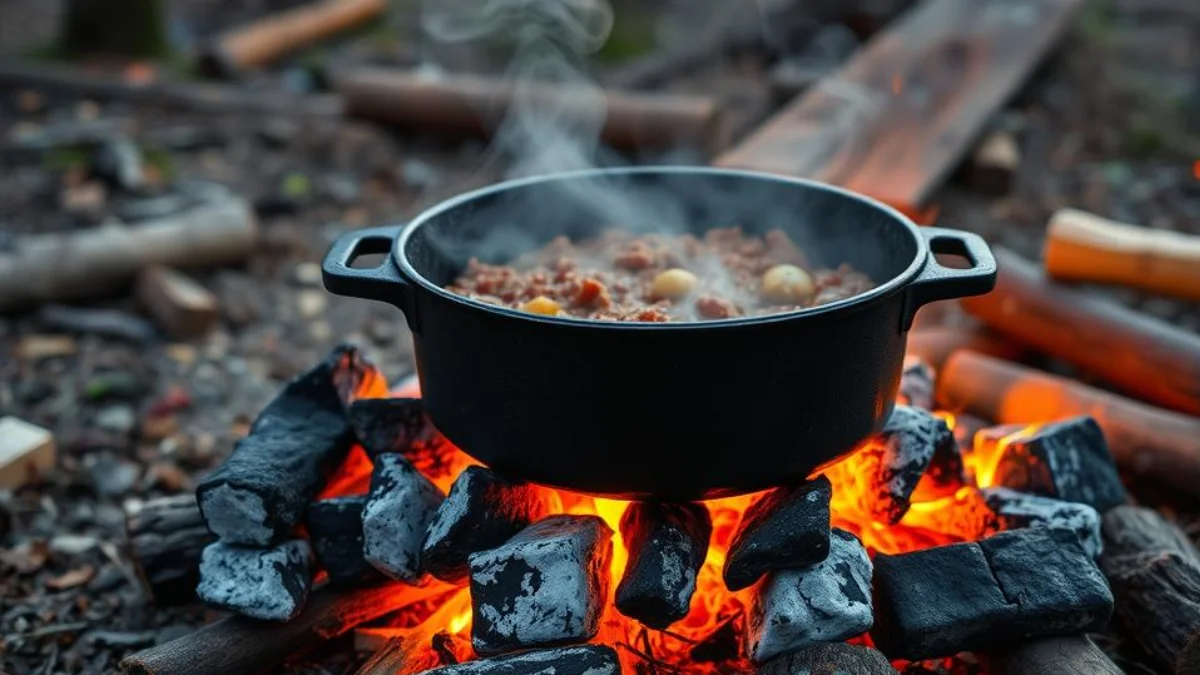
Seasoning is the key to unlocking the full potential of a cast-iron Dutch oven. It’s not just about appearance—it’s a protective layer that enhances performance, durability, and flavor. When properly seasoned, the oven develops a natural, non-stick surface that improves with every use. This layer also prevents rust, ensures even cooking, and adds a subtle depth to your dishes over time. Without seasoning, cast iron can easily corrode or cause food to stick, making maintenance and cooking more difficult.
Key Benefits of Seasoning:
- Prevents rust: Creates a barrier that protects the metal from moisture.
- Non-stick surface: Makes cooking and cleaning easier without synthetic coatings.
- Enhances flavor: Builds a natural patina that subtly enriches food taste.
- Improves durability: Extends the lifespan of your Dutch oven with proper care.
- Even heat distribution: Helps maintain consistent cooking temperatures.
Types of Dutch Ovens and Their Seasoning Needs
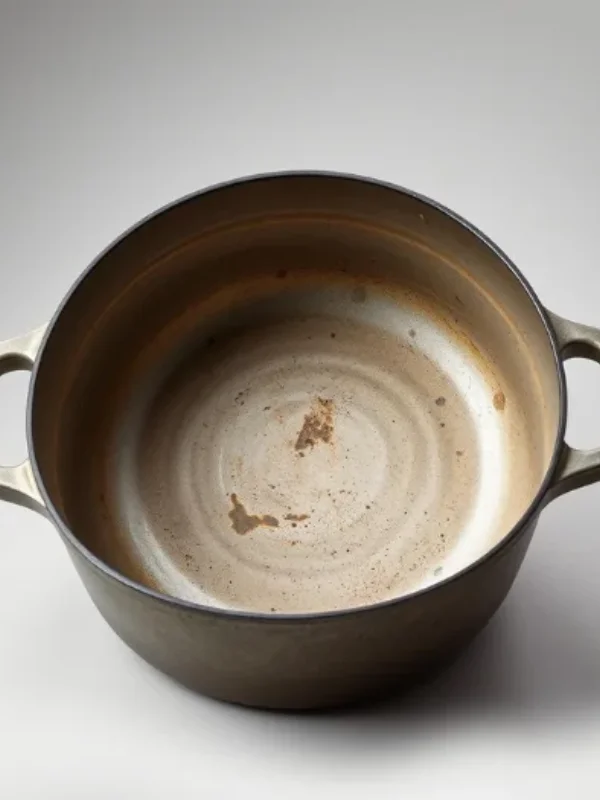
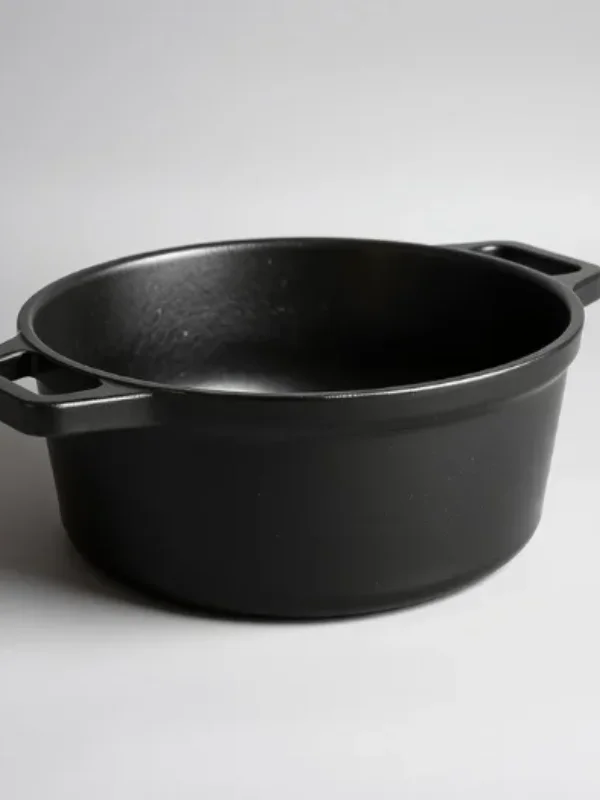
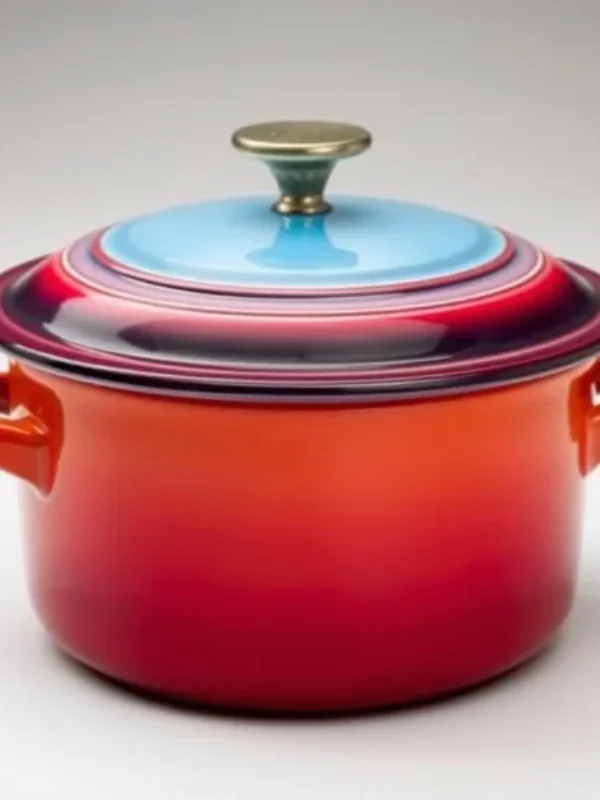
Types of Dutch Ovens and Their Seasoning Needs
Bare Cast Iron
Bare cast-iron Dutch ovens come without any protective coating, meaning they require full seasoning before use. Seasoning creates a natural, non-stick layer that prevents rust and improves cooking performance. Regular maintenance—lightly oiling after each use and occasional re-seasoning—is essential to keep the surface smooth and rust-free.
Pre-Seasoned
Pre-seasoned Dutch ovens are treated with a layer of oil and baked at high temperatures during manufacturing. This gives them a head start, allowing you to cook right away. However, the factory seasoning is just a base layer; continued use and proper care will strengthen the coating over time. Occasional touch-ups with oil help maintain the non-stick surface and prevent wear.
Enameled
Enameled Dutch ovens have a smooth, glass-like coating that eliminates the need for seasoning. The enamel protects the iron from rust and makes cleaning easier. While they don’t require oiling or seasoning, it’s important to avoid metal utensils or abrasive cleaners that can chip the enamel. These ovens are ideal for those who want the heat retention of cast iron without the upkeep of seasoning.
Best Oils for Dutch Oven Seasoning
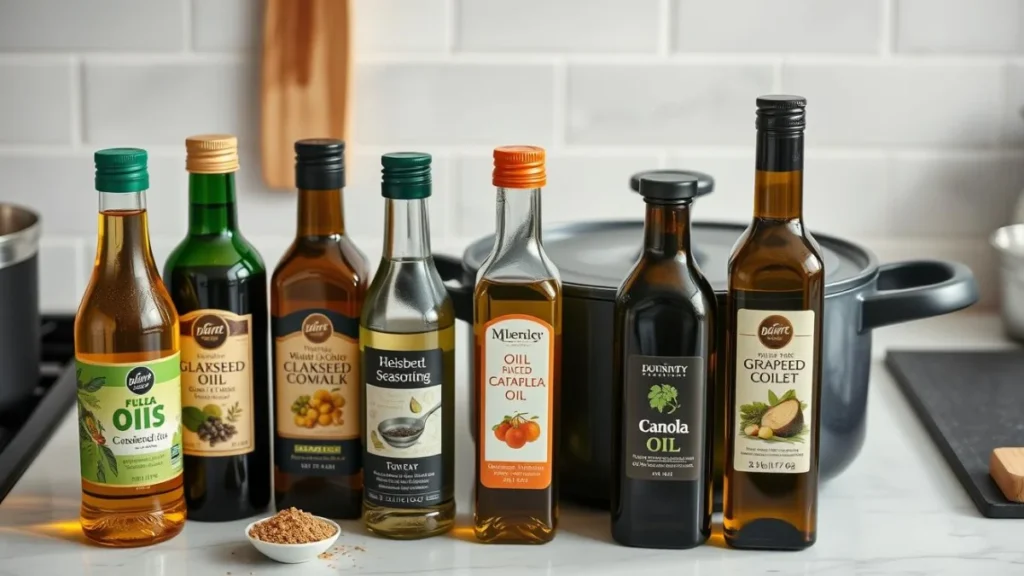
Choosing the right oil is essential for creating a durable, non-stick seasoning layer on your Dutch oven. The best oils are those with a high smoke point and the ability to polymerize—meaning they bond to the cast iron surface when heated, forming a hard, protective coating.
Top Oils for Seasoning:
- Flaxseed Oil: Often considered the best option because it creates a strong, smooth, and long-lasting finish. It polymerizes well but can be more expensive.
- Canola Oil: A budget-friendly and widely available choice with a high smoke point, making it reliable for regular maintenance.
- Grapeseed Oil: Light and neutral in flavor, it forms a durable layer and is easy to apply evenly.
- Vegetable Oil: Common and effective, though it may not last as long as flaxseed or grapeseed oil.
- Avocado Oil: Has one of the highest smoke points, ideal for high-heat seasoning and frequent use.
| Oil Type | Smoke Point | Durability | Flavor Neutrality | Best For |
| Flaxseed Oil | 225°F (107°C) | Excellent | Good | Initial seasoning |
| Grapeseed Oil | 420°F (216°C) | Very Good | Excellent | All-purpose seasoning |
| Canola Oil | 400°F (204°C) | Good | Good | Beginners |
| Vegetable Shortening | 360°F (182°C) | Good | Very Good | Traditional seasoning |
| Lard | 370°F (188°C) | Good | Poor | Traditional recipes |
When seasoning, apply a thin, even coat of oil and bake the Dutch oven at a high temperature to allow the oil to bond with the metal. Repeating this process several times builds a resilient, non-stick surface that improves with every use.
How to Season a Dutch Oven (Step-by-Step)
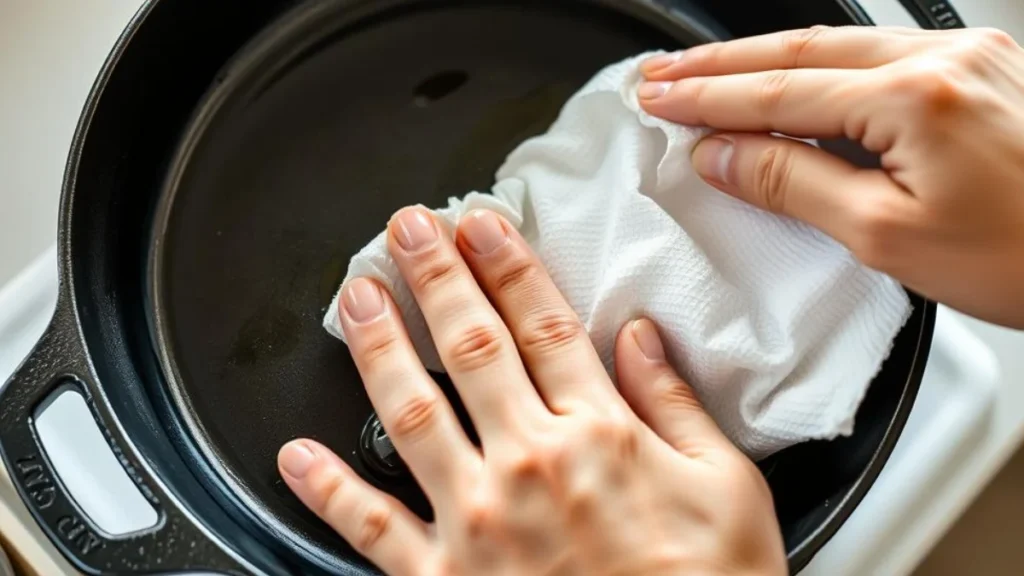
Seasoning a Dutch oven is a simple but essential process that protects the cast iron and enhances its cooking performance. Follow these steps to build a strong, non-stick layer that lasts for years.
Step 1: Clean the Dutch Oven
Wash the Dutch oven thoroughly with warm water and a small amount of mild soap to remove any residue or factory coating. Dry it completely with a towel or by placing it on low heat to evaporate moisture.
Step 2: Apply a Thin Layer of Oil
Use a paper towel or cloth to rub a small amount of oil (such as flaxseed, canola, or grapeseed oil) over the entire surface—inside, outside, and even the lid. Wipe off any excess; the layer should be thin and even to prevent stickiness.
Step 3: Bake the Dutch Oven
Place the oven upside down on the middle rack of your kitchen oven, with a sheet of foil on the lower rack to catch drips. Bake at about 450–500°F (230–260°C) for one hour. This allows the oil to polymerize and bond to the metal.
Step 4: Cool and Repeat
Turn off the heat and let the Dutch oven cool inside the oven. For a stronger coating, repeat the oiling and baking process two or three times.
Step 5: Maintain the Seasoning
After each use, clean the Dutch oven gently (avoid soap when possible), dry it thoroughly, and apply a light coat of oil to preserve the protective layer.
With consistent care, your Dutch oven will develop a glossy, naturally non-stick surface that improves with every meal.
Expert Tip: Always wipe excess oil after applying it. The Dutch oven should look almost dry before baking. Thick oil layers create sticky seasoning instead of a smooth, durable coating.
How to Season a Dutch Oven While Camping
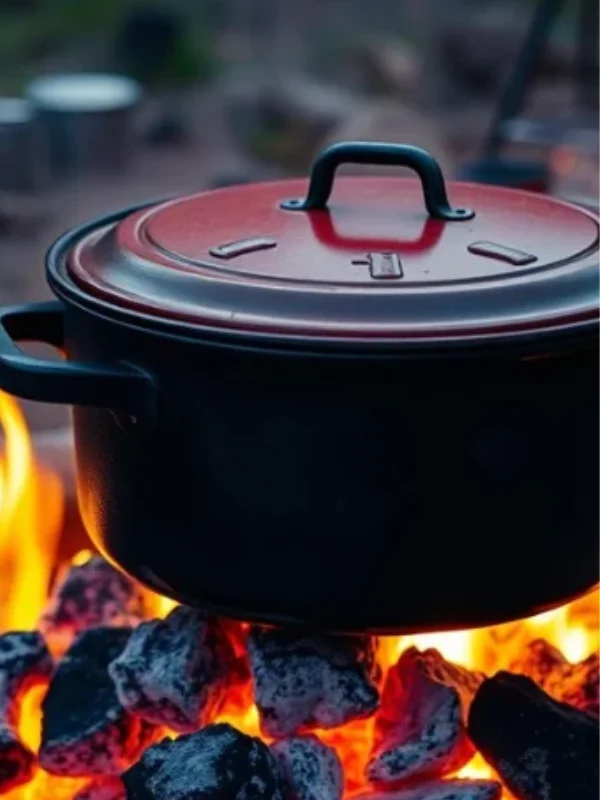
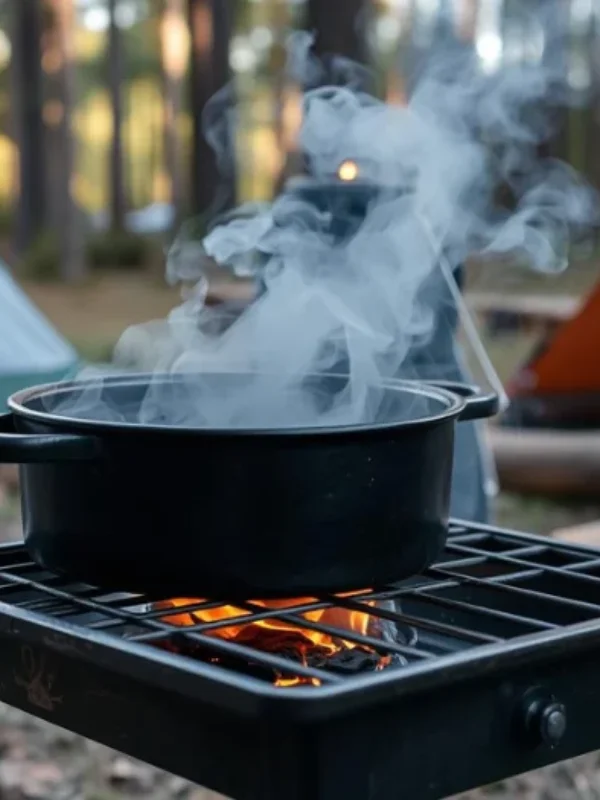
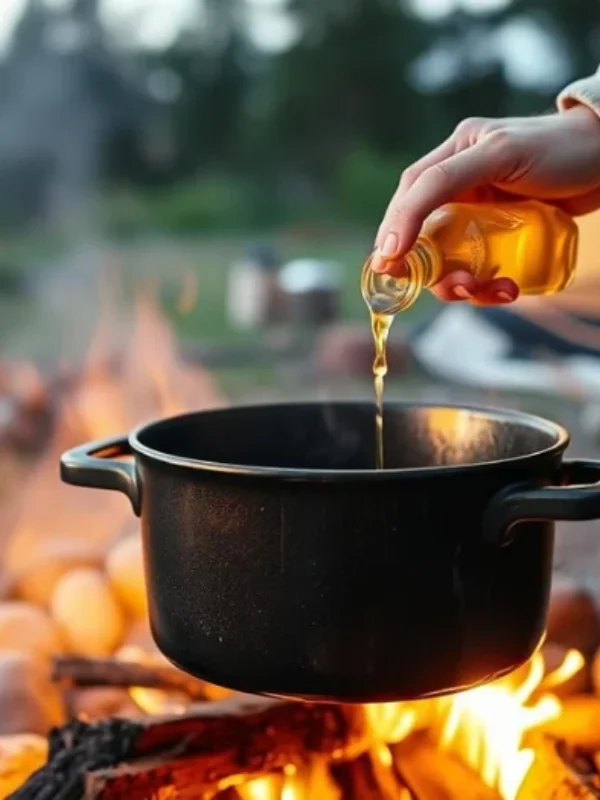
Sometimes you need to season or touch up your Dutch oven’s seasoning while in the field. Here are three methods that work well at a campsite:
Campfire Method
Build a good bed of coals. Apply a thin layer of oil to your Dutch oven. Place it upside down over the coals (not in flames) and position some coals on top of the inverted bottom. Maintain moderate heat for 45-60 minutes, then let cool naturally.
Camp Grill Method
If you have a camp grill or portable propane stove, apply a thin layer of oil to your Dutch oven. Place it upside down on the grill and heat at medium-high for 45-60 minutes, rotating occasionally for even heating.
Quick-Fix Method
After cooking, clean your Dutch oven, then apply a very thin layer of oil while it’s still warm. Place it back over low heat or dying coals for 15-20 minutes. This maintenance seasoning helps reinforce the existing layers.
Our guide to the best Dutch ovens for camping compares durable models designed for outdoor cooking.
What Proper Seasoning Looks Like
A properly seasoned Dutch oven develops its characteristics over time. Here’s what to expect:
Color
New seasoning starts as amber-brown and gradually darkens to a deep black with use. Don’t worry if your first seasoning doesn’t immediately create a jet-black finish—this develops over time.
Texture
The surface should feel smooth and hard, not sticky or tacky. Run your fingers across the surface—it should feel slick, almost like plastic or glass.
Appearance
Look for a semi-gloss to satin finish, not a dull or matte appearance. Some unevenness in the early stages is normal and will even out with use.
Performance
The true test is how it cooks. Food should release relatively easily, and water should bead up rather than spread out when dropped on the surface.
How to Maintain Dutch Oven Seasoning
Maintaining your Dutch oven’s seasoning while camping requires some special considerations:
After Each Use
- Clean while still warm (not hot), using hot water and a soft brush or scraper
- Avoid soap when possible, but mild soap is okay if necessary
- Dry thoroughly immediately after cleaning
- Apply a thin layer of oil while it is still warm
- Heat briefly to help the oil bond with the existing seasoning
Food Considerations
- Cook fatty foods like bacon early in your camping trip to help season them.
- Save acidic foods (tomatoes, citrus, wine) for later in the trip
- Use a little extra oil or fat when cooking lean foods
- Preheat gradually to prevent food from sticking
How to Clean a Dutch Oven Without Damaging Seasoning
Approved Cleaning Methods
- Hot water rinse and soft brush scrubbing
- Boiling water method: Add water, bring to a boil, scrape with a wooden spoon
- Salt scrub: Coarse salt and a paper towel for stubborn bits
- Chain mail scrubber (gentle pressure only)
- Wooden or plastic scrapers for stuck-on food
What to Avoid
- Metal scouring pads or steel wool (except for rust removal)
- Harsh detergents or dishwashing liquid with degreasers
- Soaking overnight in water
- Putting in the dishwasher
- Storing while damp or without oil coating
Why Is My Dutch Oven Seasoning Sticky?
Sticky seasoning usually happens when too much oil is applied before baking. Excess oil doesn’t polymerize properly, leaving a tacky surface.
To fix it:
- Wipe away excess oil
- Bake the Dutch oven again at 450°F for 1 hour
- Allow it to cool completely
How to Reseason a Dutch Oven
Even with proper care, your Dutch oven may occasionally need reseasoning. Here’s how to recognize when it’s time:
Signs Your Dutch Oven Needs Reseasoning
- Food sticks persistently despite proper preheating and oil use
- The surface appears dull, gray, or patchy instead of black and glossy
- You notice rust spots or flaking of the seasoning
- The Dutch oven has been stored for a long time without use
- You’ve cooked very acidic foods for extended periods
Reseasoning Process
Remove Problem Areas: If you have rust or flaking seasoning, scrub those areas with steel wool until the surface is bare metal. For minor issues, a thorough cleaning with hot water and a stiff brush may be sufficient.
Clean Thoroughly: Wash the entire Dutch oven with hot water and a small amount of mild dish soap. Rinse well and dry thoroughly.
Follow Full Seasoning Process: Complete the whole seasoning process as described earlier, applying 3-4 thin layers of oil and baking between each application.
How Often Should You Season a Dutch Oven?
Most Dutch ovens only need full seasoning when new or when rust appears. Regular cooking naturally strengthens seasoning. After each use, simply clean the Dutch oven, dry it thoroughly, and apply a thin coat of oil.
Common Dutch Oven Seasoning Mistakes
- Applying too much oil
- Using low oven temperatures
- Skipping multiple seasoning layers
- Forgetting to season the lid
- Storing the Dutch oven while damp
Pro Tip for Perfect Dutch Oven Seasoning: Always apply extremely thin oil layers. After applying oil, wipe the Dutch oven until it almost looks dry. Thin layers polymerize properly, creating a smooth, durable seasoning.
Rust Removal and Restoration
Finding rust on your camping Dutch oven isn’t the end of the world. Here’s how to bring it back to life:
For Light Surface Rust
Scrub the rusty areas with steel wool or a metal scouring pad until you reach bare metal.
Wash with hot water and a small amount of dish soap to remove all rust particles.
Dry thoroughly, then immediately begin the entire seasoning process.
For Severe Rust
Vinegar Soak Method: Create a 50/50 solution of white vinegar and water. Submerge the Dutch oven for 1-3 hours (no longer, as vinegar can damage the iron). Remove, scrub with steel wool, wash, dry, and season immediately.
Baking Soda Paste: For stubborn spots, make a paste with baking soda and water. Apply to rusty areas, scrub, rinse thoroughly, and begin seasoning.
Foods That Help Build Cast Iron Seasoning
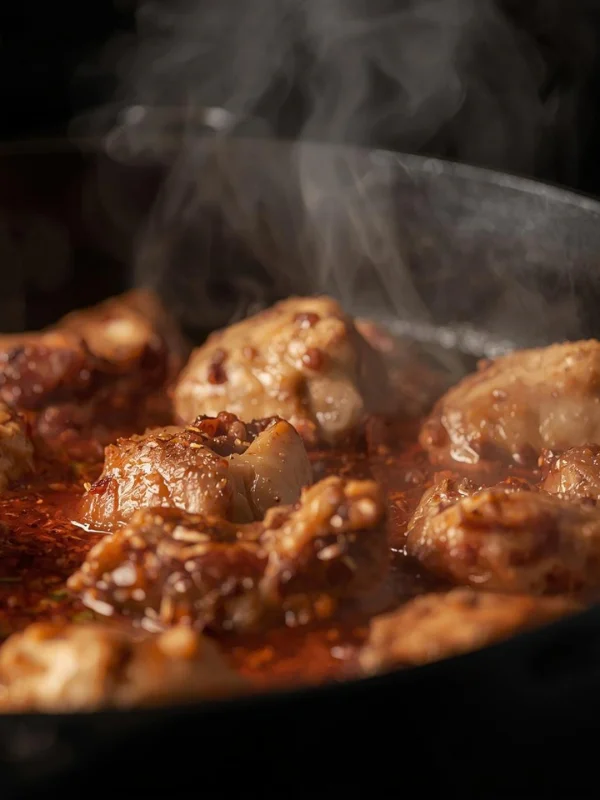
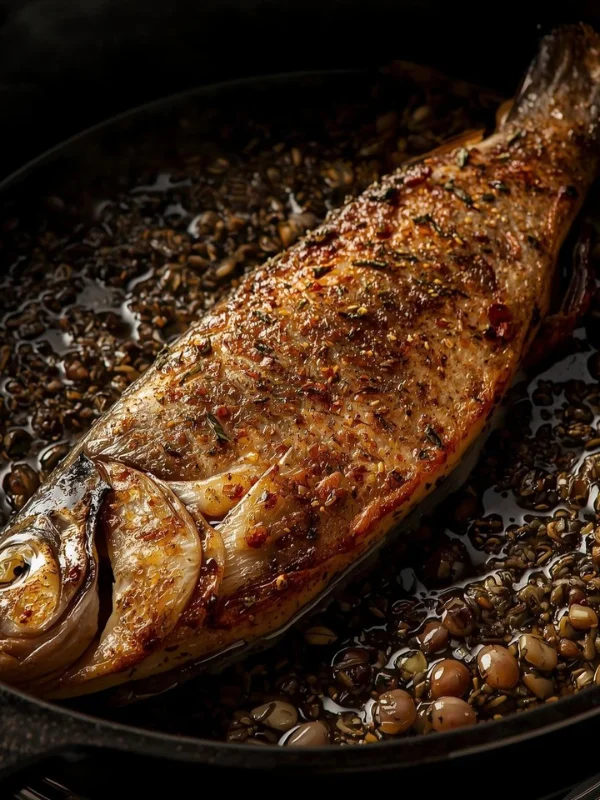
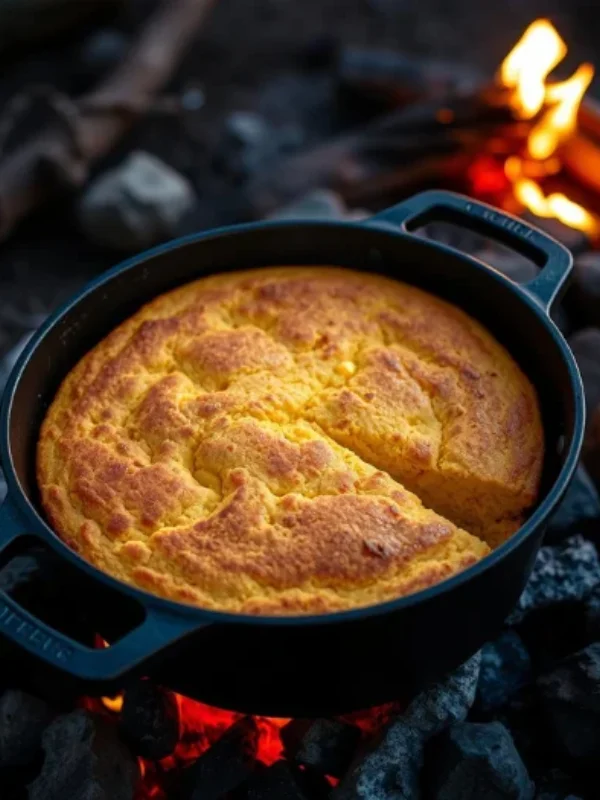
Cooking certain foods in your cast-iron Dutch oven can naturally strengthen and improve its seasoning over time. These foods release oils and fats that bond to the surface, creating a smoother, more durable non-stick layer with each use.
Best Foods for Building Seasoning:
- Fatty Meats: Bacon, sausage, and pork chops are excellent for early seasoning. Their natural fats coat the surface and help fill in microscopic pores in the iron.
- Fried Foods: Dishes like fried chicken, potatoes, or fritters use oil at high heat, which reinforces the seasoning layer.
- Oily Fish: Salmon or mackerel can contribute beneficial oils that enhance the patina, though some prefer to avoid fish early on to prevent lingering odors.
- Vegetables Cooked in Oil: Roasting or sautéing vegetables in a bit of oil helps maintain and build the seasoning without heavy cleanup.
- Cornbread and Other Baked Goods: Baking recipes with butter or oil not only taste great but also help create an even, glossy finish inside the Dutch oven.
Avoid acidic foods like tomatoes or vinegar-based sauces until your Dutch oven has developed a strong seasoning layer, as acids can strip away the protective coating.
Learn campfire Dutch oven cooking techniques
Conclusion: Building Long-Lasting Dutch Oven Seasoning

Dutch oven seasoning is what transforms simple cast iron into one of the most durable and versatile cooking tools available. When oil is heated onto the iron surface, it forms a protective polymer layer that prevents rust and creates the natural non-stick finish that makes cast iron so valuable.
The key to successful seasoning is simple:
- Use thin layers of oil
- Apply high heat
- Repeat the process several times
- Maintain the surface after each use
With proper care, a seasoned Dutch oven can last for decades and even become a family heirloom passed down through generations.
Once your Dutch oven develops a strong seasoning layer, cooking becomes easier, cleanup becomes faster, and your outdoor meals become even more enjoyable.
If you're choosing your first Dutch oven, our guide to cast iron vs aluminum Dutch ovens explains the advantages of each material.
Dutch Oven Seasoning FAQ
Can you season a Dutch oven with vegetable oil?
Yes. Vegetable oil works well for seasoning because it has a moderate smoke point and forms a durable protective coating when heated.
What temperature should you season a Dutch oven?
Most cast-iron Dutch ovens should be seasoned at 450–500°F (230–260°C) to ensure the oil polymerizes properly and bonds with the iron surface.
What oil is best for Dutch oven seasoning?
Flaxseed oil and grapeseed oil are commonly recommended because they contain high levels of unsaturated fats that polymerize effectively when heated.
Can you use olive oil to season a Dutch oven?
Olive oil is not ideal for seasoning because it has a relatively low smoke point and can leave a sticky residue.
How many layers of seasoning does a Dutch oven need?
For new Dutch ovens, apply 3–4 thin layers of seasoning. Over time, additional cooking sessions will naturally strengthen the seasoning.
Can you use soap on a seasoned Dutch oven?
Yes. Small amounts of mild dish soap are safe for modern cast iron seasoning. Just dry the Dutch oven thoroughly, then apply a light coat of oil.
How long does Dutch oven seasoning last?
With proper care, seasoning can last for many years or even decades. Regular cooking and light oil maintenance help strengthen the protective layer.