Precision Cooking Without Breaking the Bank!
(Updated)
Discover the best sous vide cookers under $100 for home chefs. Our expert review compares top models, features, and performance to help you choose the perfect precision cooker for your kitchen.
Looking to elevate your home cooking without breaking the bank? Sous vide cooking has revolutionized home cooking, delivering restaurant-quality results with minimal effort. We’ve researched and tested the top affordable options to bring you this comprehensive guide to the best sous vide cookers under $100. These budget-friendly devices offer precise temperature control, consistent results, and user-friendly features that make sous vide cooking accessible to everyone.
In this guide, you’ll find a quick methodology (we evaluated accuracy, heating speed, circulation, app/connectivity, and long-term durability), plus a short snapshot for each model listing core features, key specifications, and standout value to help you pick the right precision cooker for your kitchen. Jump to the Top 5 picks to compare models and prices.
What is Sous Vide Cooking and How Does It Work
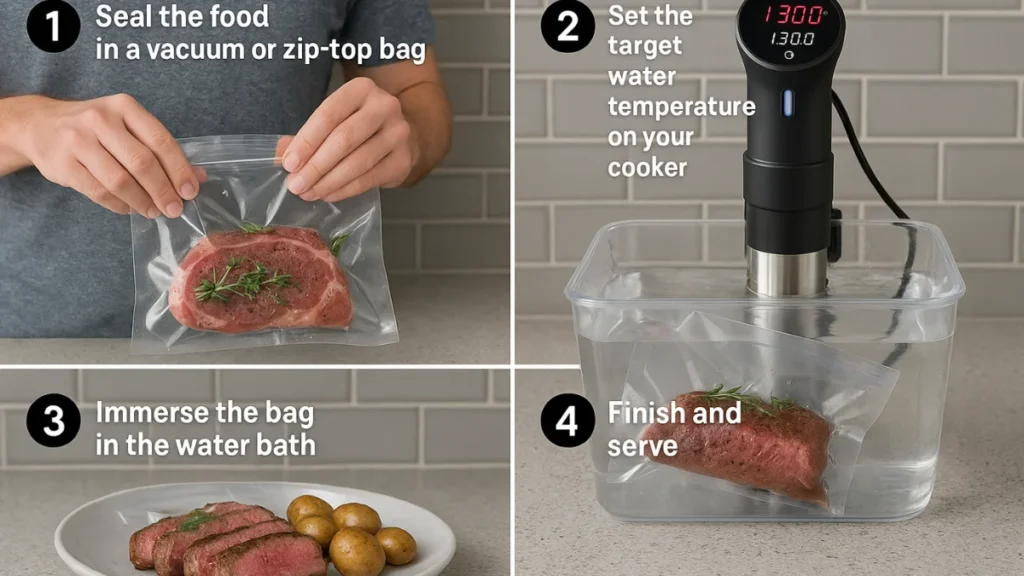
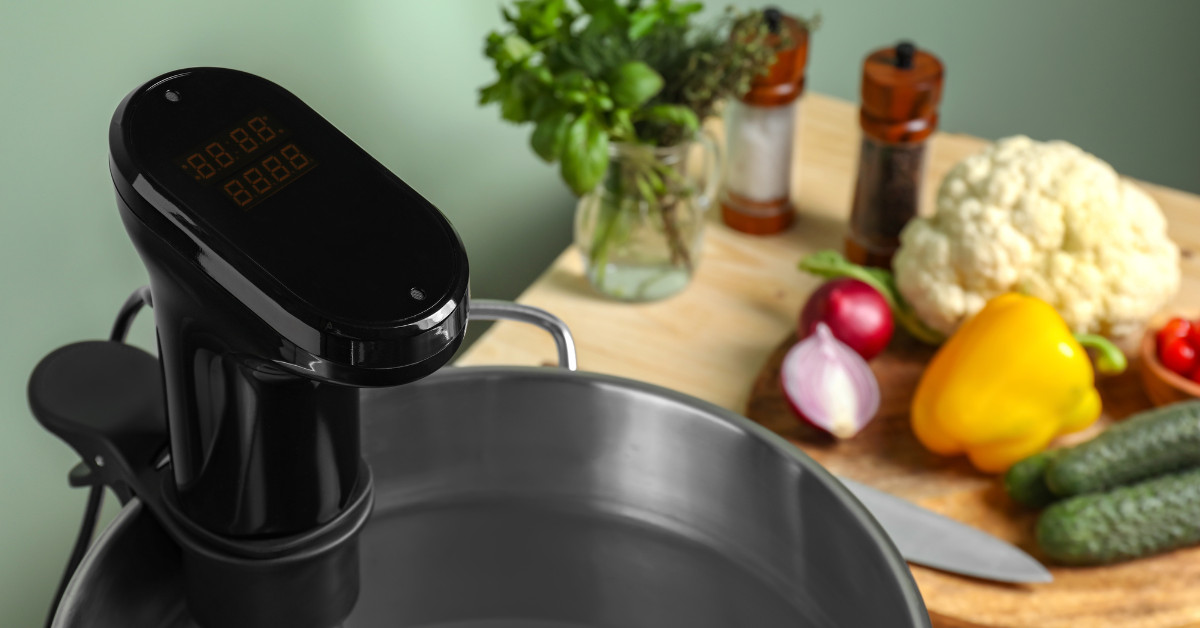
Sous vide (pronounced “soo-veed”) is a precise form of cooking that literally means “under vacuum.” In home kitchens, it’s commonly called sous vide cooking or used with a precision cooker/immersion circulator: food is sealed in a bag and cooked in a controlled water bath so the internal temperature reaches — and stays — at the exact doneness you want.
How it works, in four simple steps: seal the food in a vacuum or zip-top bag; set the target water temperature on your cooker; immerse the bag in a circulating water bath and let the device hold that water temperature for the required time; finish (optional sear or glaze) and serve. Because water temperature is constant, sous vide eliminates hot spots and overcooking, giving even results every time.
Most modern precision cookers advertise tight temperature control — many claim accuracy within ±0.1°F — which is why sous vide is favored for delicate dishes like eggs, fish, and custards, as well as for reliably tender meats. Note: accuracy varies by model, so double-check the manufacturer’s specs for any cooker you’re considering.
Why home cooks use it: sous vide preserves flavor and moisture, produces consistent texture across significant and minor cuts, and frees you from constant monitoring — set the temperature and time, and the device does the rest. If you want a quick example to test your first cook, try a steak set to 129°F for medium-rare (time varies by thickness)—and fact-check specific temps/times against trusted recipes before trying.
Benefits of Sous Vide Cookers for Home Chefs
1. Perfect Results Every Time
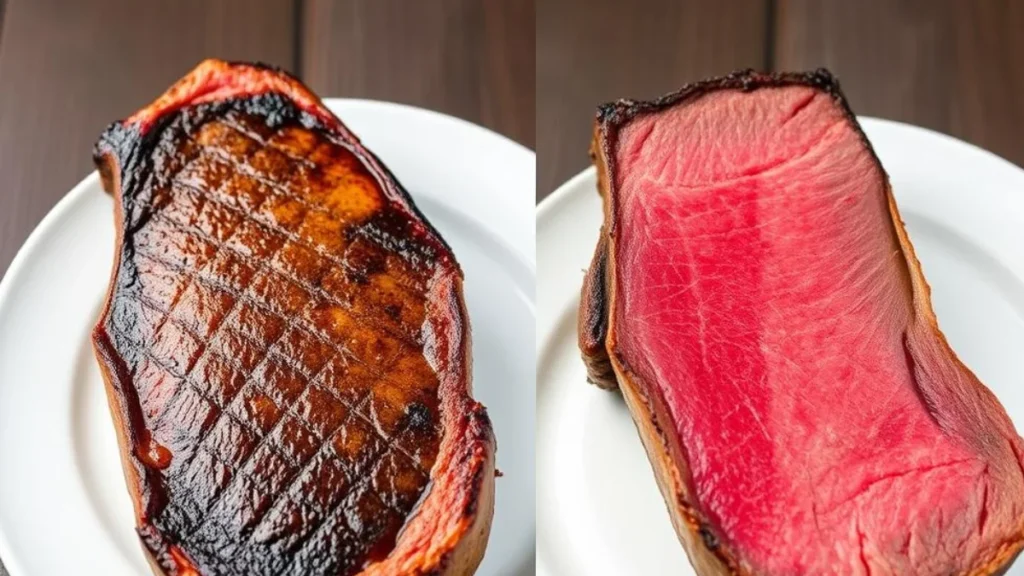
Sous vide cooking’s most significant selling point is repeatable precision. Because the water temperature is held steady by a precision cooker, you can expect consistent doneness across cooks — when a unit holds within ±0.1°F (verify per model), you remove the guesswork and reduce overcooking.
- What to expect: reliably medium-rare steaks, tender chicken breast, and consistent egg textures.
- Quick tip: make sure your cooker’s accuracy spec matches your needs — delicate recipes benefit from tighter control.
3. Enhanced Flavor and Texture
Cooking food sealed in its own juices preserves moisture and concentrates flavor. Gentle, low-temperature vide cooking keeps proteins juicy and vegetables vibrant while allowing marinades and aromatics to infuse more evenly than high-heat methods.
Why it matters: less moisture loss, more tender textures, and stronger flavor from herbs and spices
2. Convenience and Time-Saving
Although sous vide often takes longer, the process is hands-off primarily: set the temperature and time on your cooker or app, and the device maintains the water temperature for the duration. That means you can prep, walk away, and finish the dish when you’re ready.
- Window of doneness: Sous vide is forgiving, allowing extra minutes without overcooking, ideal for busy schedules.
- App advantage: WiFi-enabled models let you monitor progress and receive alerts remotely.
4. Versatility and Value
Sous vide turns inexpensive cuts into restaurant-quality meals and supports batch cooking for meal prep. From eggs and fish to short ribs and roasts, the method gives professional-level results with minimal effort and excellent yield.
Meal-prep friendly: cook multiple portions, chill or freeze, then reheat quickly in a water bath for consistent results.
Who it’s for: beginners who want foolproof results, busy cooks who value hands-off time, and budget-minded home chefs who wish for precision without a pro price tag. Ready to see our picks? Jump to the Top 5 section to compare models and find the cooker that fits your kitchen and needs.
Main Characteristics of the Best Sous Vide Cookers
1. Temperature Precision
Precision is the defining feature of any good sous vide. Look for a precision cooker or immersion circulator that advertises tight temperature control — many top models claim accuracy of ±0.1°F or better — so your target temperatures stay stable throughout the cook.
Quick spec callout: Accuracy, temperature range, and control method (digital dial, touchscreen, or app)
What to look for: stated accuracy (±0.1°F is ideal), usable temperature range (commonly ~77°F–203°F), and clear display of set vs. actual temperature.
Why it matters: accurate temperatures give repeatable results for delicate vide cooking (eggs, fish, custards) and significant cuts alike.
2. Heating Power and Speed
Wattage determines how quickly the device heats water and how fast it recovers when you add colder food. Budget sous vide machines usually fall between 800W and 1100W; 1000W+ models heat faster and hold temperatures better in larger water volumes.
Quick spec callout: Heating element power (W) and estimated minutes to reach typical cooking temps for 8–12 L of water.
What to look for: wattage (800–1100W), manufacturer recovery time claims, and real-world notes in reviews.
Why it matters: higher power shortens wait time — important when you frequently start from cold water or cook large batches.
3. Circulation Efficiency
Good circulation eliminates hot and cold spots, ensuring even cooking across the entire water bath. The circulator design and pump strength determine how well a cooker distributes heat and maintains uniform temperatures.
Quick spec callout: Circulation performance (qualitative) and any claims about liters-per-minute if provided.
What to look for: manufacturer notes on flow rate or qualitative reviews of circulation performance.
Why it matters: better circulation produces uniform doneness and shortens recovery time after adding food.
4. Clamp and Attachment
How the device attaches to your container affects versatility. Adjustable clamps fit a wider range of pots, storage containers, and dedicated sous vide vessels; some units use magnetic bases for metal pots or offer removable clips.
Quick spec callout: Clamp type and max recommended container depth/size.
What to look for: adjustable clamp vs. fixed clamp, compatibility with your container depth, and whether the clamp rotates for a better fit.
Why it matters: Make sure the cooker attaches securely to your pot or container—measure the depth before you buy.
5. Connectivity Options
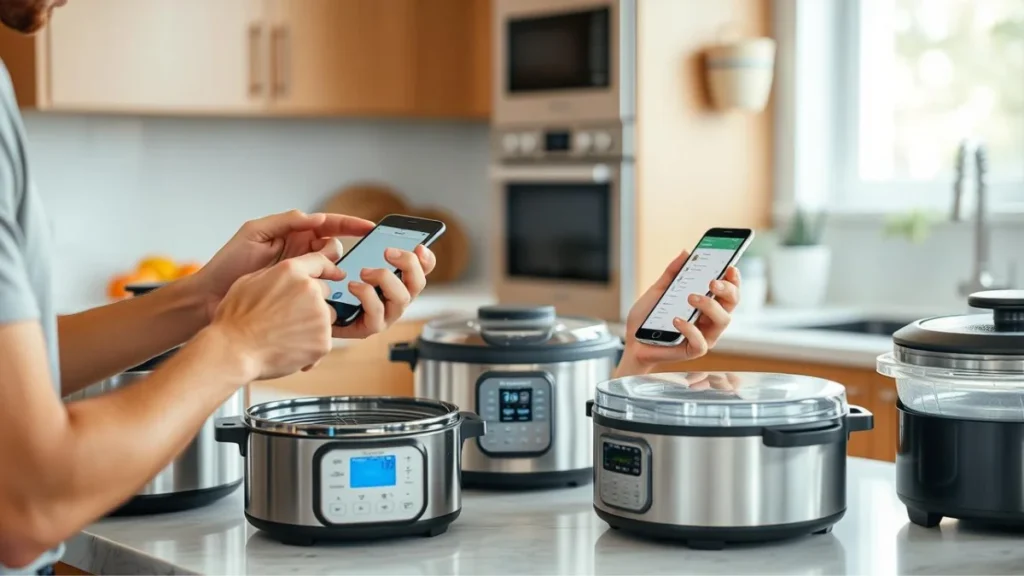
App connectivity (via WiFi or Bluetooth) can add convenience, including remote monitoring, preset recipes, cook notifications, and integration with smart-home systems. For many users, the app experience is a major differentiator between models.
Quick spec callout: Connectivity type, app name, and notable app features.
What to look for: WiFi vs. Bluetooth, app stability, recipe library, and smart-home compatibility (Alexa/Google).
Why it matters: remote control and recipe-guided cooking simplify longer cooks and let you track water temperature and time from your phone.
6. Build Quality and Durability
Even budget devices should use durable materials, such as stainless steel components, and feature water-resistant construction. Look for IPX ratings (IPX7 or higher is preferable) and solid build notes in user reviews.
Quick spec callout: Material (stainless steel/plastic), IP rating, and warranty length.
What to look for: Materials, warranty, IP rating, and long-term reviewer feedback on reliability.
Why it matters: A well-built device resists corrosion and moisture damage and lasts longer under frequent use.
Easy Tips for Choosing the Best Sous Vide Cookers Under $100 for Home Chefs
- Assess Your Cooking Needs: If you cook large roasts or family-sized portions → choose 1000W+ models for faster heat-up and better recovery. For single meals or occasional use → an 800W compact cooker is usually sufficient.
- Prioritize Temperature Accuracy: Temperature control is the most critical feature. Look for models that list accuracy near ±0.1°F if you plan delicate sous vide cooking; for everyday use, slightly wider tolerances still give excellent results.
- Consider Container Compatibility: Make sure the clamp type fits your pot or container. Adjustable clamps work with a broader range of containers; fixed clamps can limit options. Measure your container depth before buying.
- Decide on Connectivity: Want remote control and recipe guidance? Choose WiFi-enabled models and check app reviews for stability. Prefer manual controls? Reliable dial or touchscreen operation still delivers excellent results without connectivity.
- Check Safety Features: Ensure the cooker has low-water protection, auto-shutoff, and a solid water-resistant rating (check the manufacturer’s specs). These features protect the device during long water bath sessions.
- Compare Real-World Reviews: Read user feedback focusing on long-term reliability, actual temperature accuracy, customer support, and how the unit performs with your typical water volume.
Two quick buying scenarios:
- Single cook / occasional user: Look for an 800W–900W sous vide with simple manual controls, compact size, and easy clamp compatibility.
- Family or frequent cooks: Choose a 1000W–1100W model with strong circulation, a WiFi app for remote monitoring, and an adjustable clamp that fits large containers.
Quick checklist: make sure the wattage matches your needs; verify the accuracy spec; confirm clamp compatibility with your container; decide whether you want WiFi/app features or prefer manual controls; check the warranty and reviews.
Ready to compare models? Please scroll down to our Top 5 picks and the comparison table to find the best sous vide cooker for your kitchen.
Top 5 Best Sous Vide Cookers Under $100
1. Anova Culinary Sous Vide Precision Cooker 2.0 (WiFi), 1000 Watts
The Anova Precision Cooker 2.0 is a widely trusted precision cooker that balances accuracy, power, and app-driven convenience. Its 1000W heating element quickly brings water to temperature and holds the target temperature with tight control (manufacturer claims near ±0.1°F — verify current spec). The adjustable clamp fits most pots and containers, making it a versatile immersion circulator for everyday sous vide cooking.
→ Perfect for Precision Cooking

- Core features: 1000W heating element; WiFi connectivity; touchscreen display; adjustable clamp.
- Key specifications: Wattage: 1000W; Temp range: ~77°F–197°F; Accuracy: ±0.1°F (manufacturer); Max container: see manufacturer; Connectivity: WiFi; IP rating: check model spec.
- Standout value: Best app integration and recipe support — thousands of guided recipes through the Anova app make it easy to start sous vide cooking.
- Who it’s best for: home cooks who want reliable temperature control and an excellent app/recipes ecosystem.
SHOW MORE
Anova Culinary Sous Vide Cooker
More Specs Details
| Specification | Details |
| Capacity | 8 Liters |
| Materials | Plastic, Stainless Steel |
| Dimensions | 3.07″D x 3.07″W x 12.8″H |
| Weight | 1.0 lbs |
| Warranty | 2 Year manufacturer’s warranty |
Pros
- Precise temperature control (±0.1°F claimed)
- Powerful 1000W heating element
- WiFi connectivity with a robust app and recipes
- Adjustable clamp fits various containers
- Large recipe library and guided cooks
Cons
- WiFi can be flaky in some networks
- Premium app features may require an account/subscription
- Slightly larger footprint than ultracompacts
If app-driven sous vide cooking and consistent temperature control matter to you, the Anova 2.0 is our top pick. Check the current price and warranty before buying.
2. KitchenBoss Wifi Sous Vide Machine: Ultra-quiet Sous Vide Cooker
The KitchenBoss WiFi sous vide machine is notable for its whisper-quiet operation and powerful heating. With a 1100W heating element, it brings water up fast and maintains target temperatures for consistent results in a home water bath. The adjustable clamp supports large containers (manufacturer lists up to 20 L on some SKUs — confirm before purchase), and the app provides remote control and recipe guidance.
→Quiet Performance, Powerful Results
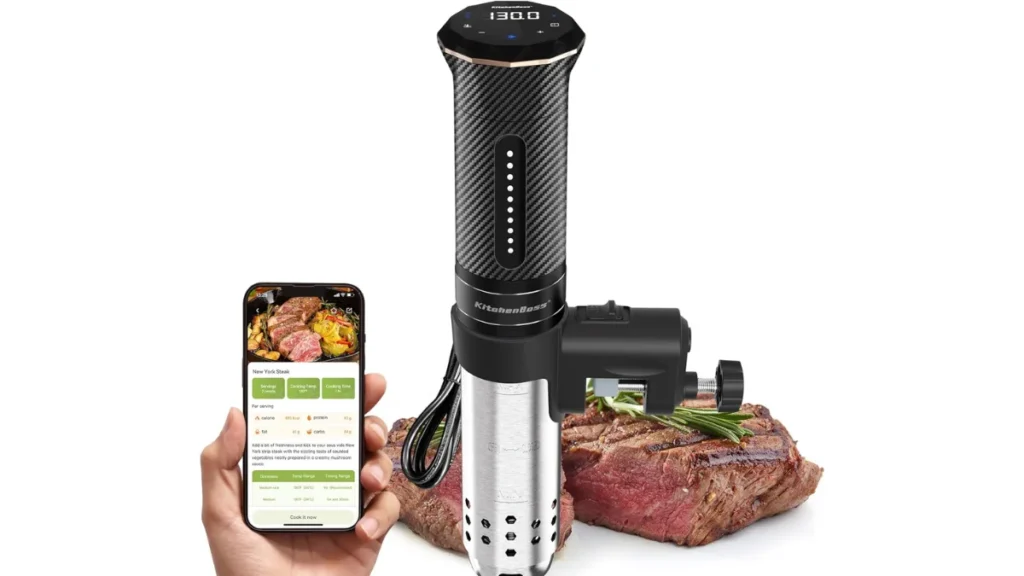
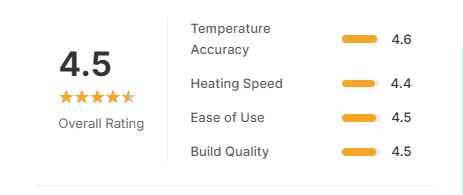
- Core features: 1100W heating element; WiFi connectivity; quiet pump; large-capacity compatibility.
- Key specifications: Wattage: 1100W; Temp range: ~77°F–203°F; Accuracy: ±0.1°F (manufacturer); Max container: up to 20 L (model-dependent); Connectivity: WiFi; IP rating: check spec.
- Standout value: Best for quiet overnight cooks and open kitchens where pump noise matters.
- Who it’s best for: cooks who run long cooks or need a near-silent device in the kitchen.
SHOW MORE
KitchenBoss Sous Vide Cooker
More Specs Details
| Specification | Details |
| Capacity | 16 Liters |
| Materials | Stainless Steel Design |
| Dimensions | 3.35″D x 3.35″W x 15″H |
| Weight | 3.5 lbs |
| Warranty | Manufacturer’s warranty can be requested from customer service |
Pros
- Hushed operation
- Powerful 1100W heating element
- WiFi control and recipe support
- Large temperature range and strong circulation
- Good value for power and features
Cons
- Occasional app disconnects reported
- Bulkier than compact models
- The preset recipe library is smaller than the Anova app
Choose the KitchenBoss if you want a powerful, quiet sous-vide machine with Wi-Fi. Verify the current price and app compatibility for your device.
3. INKBIRD WIFI- ISV-100W, 1000 Watts Sous Vide Cooker
The INKBIRD ISV-100W delivers substantial value with reliable temperature control and WiFi app features at a budget-friendly price. It’s a 1000W heater, and decent circulation makes it a solid all-around device for everyday sous vide cooking and meal prep. Safety features such as low-water protection and automatic shut-off are helpful for long cooks.
→ Smart Cooking Made Affordable
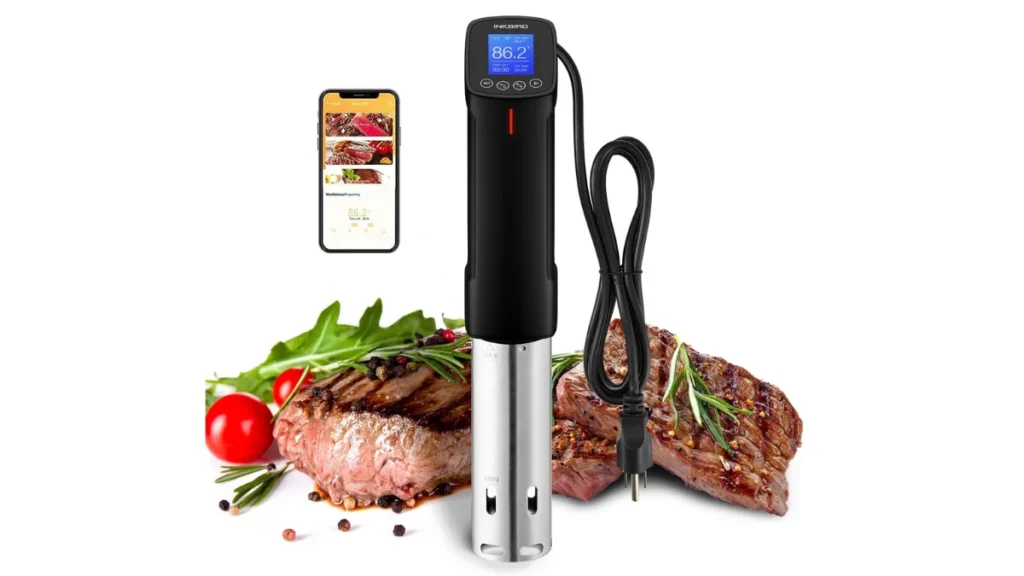
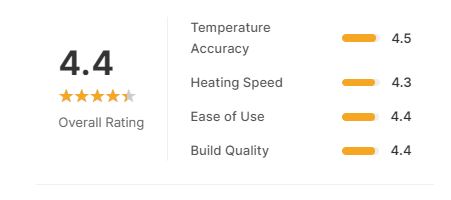
- Core features: 1000W heating; WiFi app control; low-water protection; adjustable clamp.
- Key specifications: Wattage: 1000W; Temp range: ~77°F–210°F; Accuracy: ±0.1°F (manufacturer); Max container: up to 20 L (model-dependent); Connectivity: WiFi.
- Standout value: Best budget WiFi sous vide cooker with extended timer options.
- Who it’s best for: buyers who want innovative features without a higher price tag.
SHOW MORE
INKBIRD Sous Vide Cooker
More Specs Details
| Specification | Details |
| Capacity | 15 Liters |
| Materials | Stainless Steel Design |
| Dimensions | 32.36″D x 2.36″W x 16.14″H |
| Weight | 1.5Kg |
| Warranty description | Manufacturer’s warranty can be requested from customer service |
Pros
- Good temperature stability
- User-friendly WiFi app
- Safety features like low-water protection
- Long-term options for multi-day or extended cooks
- Strong value for the price
Cons
- The water sensor can be oversensitive in some setups
- Occasional inconsistent app notifications
- Not as quiet as premium models
The INKBIRD ISV-100W is a practical choice for cooks who want WiFi connectivity and solid performance at a low cost. Check current pricing and app compatibility before you buy.
4. Instant Pot Accu Slim Sous Vide 800W Precision Cooker
The Instant Pot Accu Slim is a compact, no-frills precision cooker ideal for cooks who prefer simple manual controls over app connectivity. With an 800W heating element, it heats more slowly than higher-powered models, but once up to temperature, it maintains stable water temperatures for dependable results.
→ Simple, Reliable Performance
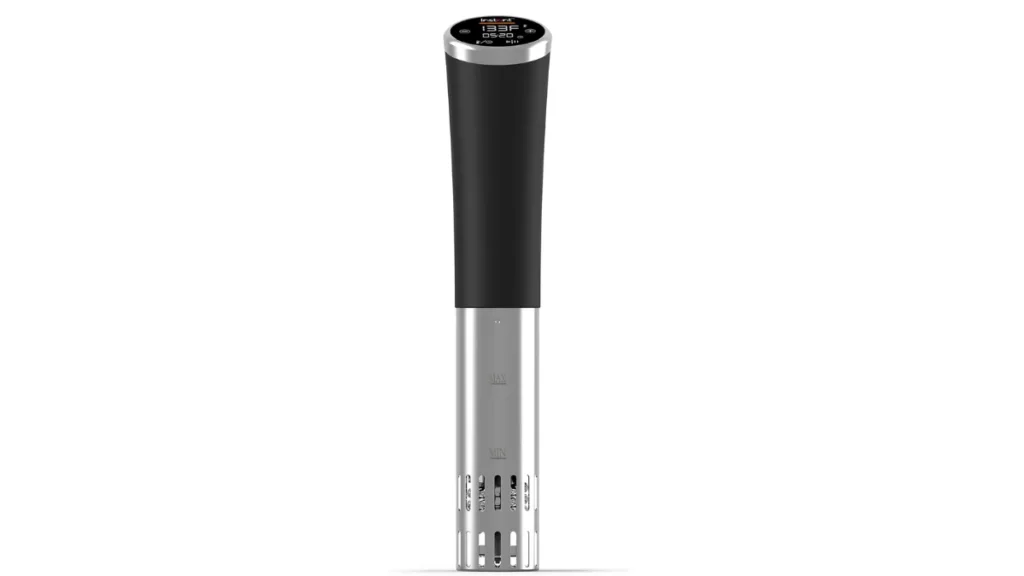
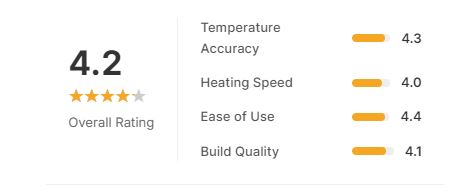
- Core features: 800W heating element; LED display; touch-sensitive controls; compact form factor.
- Key specifications: Wattage: 800W; Temp range: ~77°F–203°F; Accuracy: manufacturer-claimed ±0.1°F; Max container: suitable for smaller pots and Instant Pot inner pots; Connectivity: none.
- Standout value: Best compact manual sous vide cooker for Instant Pot owners and beginners.
- Who it’s best for: users who want reliable results with manual controls and minimal setup.
SHOW MORE
Instant Pot Accu Sous Vide Precision Cooker
More Specs Details
| Specification | Details |
| Wattage | 800 watts |
| Materials | Stainless steel |
| Dimensions | 4.6″D x 2.6″W x 13.5″H |
| Weight | 1.28Kg |
| Warranty description | One Year Limited Warranty |
Pros
- Accurate temperature maintenance
- Compact, space-saving design
- Simple controls — suitable for manual operation
- Works well with Instant Pot inner pots
- Very affordable
Cons
- Slower heating due to lower wattage (800W)
- No WiFi/Bluetooth connectivity
- Fixed clamp limits container compatibility
If you prefer manual controls and a compact design, the Accu Slim delivers consistent sous vide cooking without extra features. Confirm current price and compatibility with your containers.
5. Greater Goods Kitchen Sous Vide Machine
The Greater Goods Kitchen sous vide machine focuses on user-friendly operation and strong circulation. Its 1100W heating element brings water to a boil quickly, and the extensive dial control makes setting temperature and time straightforward — an excellent option for cooks who prefer tactile controls over apps.
→Intuitive Design, Powerful Performance
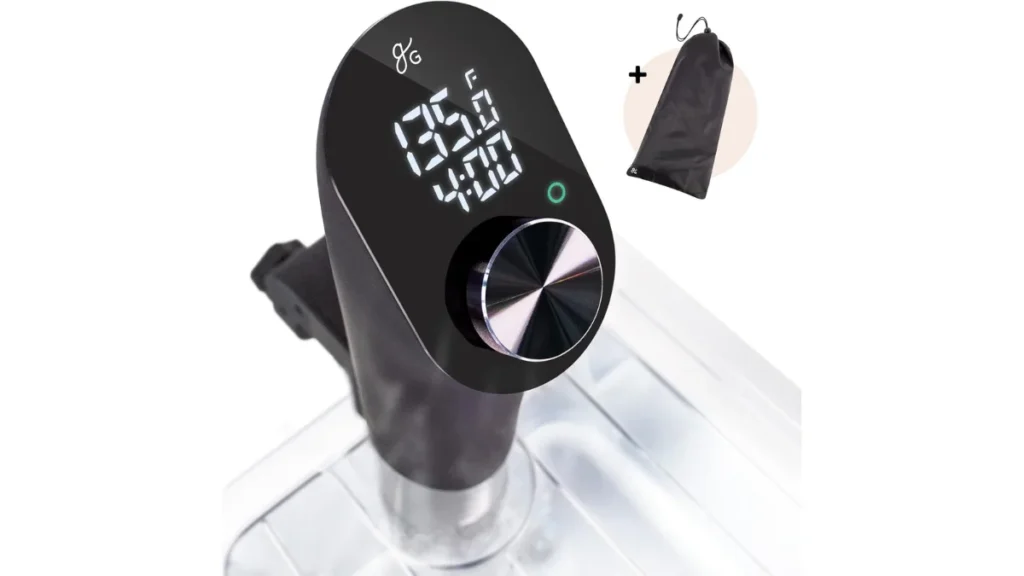
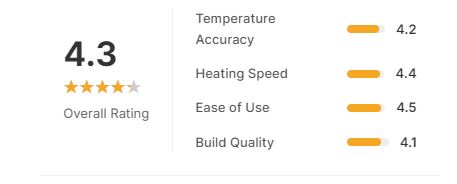
- Core features: 1100W heating element; intuitive dial control; bright LCD; adjustable clamp.
- Key specifications: Wattage: 1100W; Temp range: ~77°F–203°F; Accuracy: manufacturer-claimed (verify current spec; often listed around ±0.9°F in some sources); Max container: check manufacturer; Connectivity: none.
- Standout value: Best for cooks who want a powerful, quiet machine with an easy-to-use physical interface.
- Who it’s best for: users who prioritize simplicity, quiet operation, and excellent circulation over app features.
SHOW MORE
Greater Goods Kitchen Sous Vide Machine
More Specs Details
| Specification | Details |
| Wattage | 800 watts |
| Materials | Stainless Steel |
| Dimensions | 4.6″D x 2.6″W x 13.5″H |
| Weight | 1.28Kg |
| Warranty description | One Year Limited Warranty |
Pros
- Powerful 1100W heating element
- Very user-friendly dial interface
- Large, easy-to-read display
- Excellent water circulation
- Quiet operation
Cons
- No WiFi/Bluetooth connectivity
- Some listings show slightly wider accuracy tolerance — verify current spec
- Must be powered on to change settings (no persistent memory)
The Greater Goods machine is ideal for cooks who want powerful heating and simple manual controls. Check the latest accuracy specs and price before purchasing.
Comparison of the Best Sous Vide Cookers Under $100
| Model | Wattage | Temperature Range | Accuracy | Connectivity | Clamp Type | Max Container Size |
| Anova Precision Cooker 2.0 | 1000W | 77°F-197°F | ±0.1°F* | WiFi | Adjustable | 8 Liters (typ.) |
| KitchenBoss WiFi | 1100W | 77°F-203°F | ±0.1°F* | WiFi | Adjustable | Up to 20 Liters (model-dependent) |
| INKBIRD ISV-100W | 1000W | 77°F-210°F | ±0.1°F* | WiFi | Adjustable | Up to 20 Liters (model-dependent) |
| Instant Pot Accu Slim | 800W | 77°F-203°F | ±0.1°F* (manufacturer) | None | Fixed | 6 Liters (smaller pots) |
| Greater Goods | 1100W | 77°F-203°F | Manufacturer-listed (verify current spec) | None | Adjustable | ~15 Liters (typ.) |
Note: prices and specs can change — prices checked on publication date, and accuracy figures are manufacturer-claimed unless otherwise noted. Make sure to verify the current price and model details before purchasing.
Valuable Tips to Easily Maintain Your Sous Vide Cookers
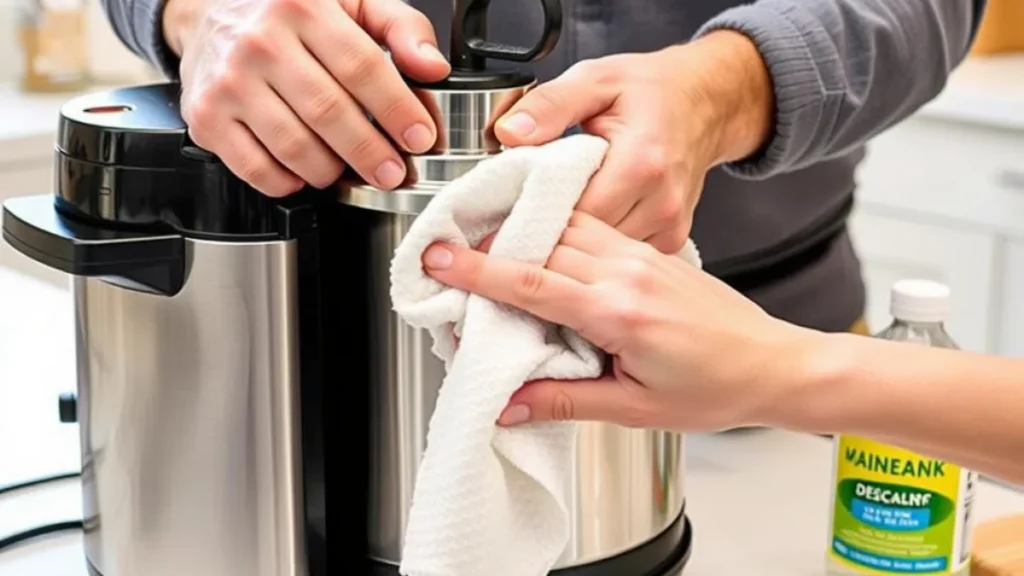
- Daily / After-Use Cleaning: Wipe the exterior with a damp cloth and dry thoroughly. For the heating element and circulation housing, run the device in clean water and wipe accessible parts — remove any food residue or fat to prevent odors and buildup.
- Descaling (as needed): Hard water can deposit minerals on the heating element, impairing performance. Descale according to the manufacturer’s recommendation — many brands suggest a vinegar solution or a dedicated descaler. If you use vinegar, run the cooker in a 1:1 water–white vinegar mix for about 15–30 minutes (check your model’s guidance), then rinse thoroughly with clean water.
- Proper Storage: Make sure the unit is completely dry before storing. Keep the precision cooker in a dry, well-ventilated cabinet or its original box. Avoid storing items when they are damp to prevent corrosion or mold.
- Check Seals and Connections: Regularly inspect the clamp, seals, and any removable parts for wear or cracks. Make sure no water reaches the electronic housing — most devices are water-resistant but not designed to be fully submerged above the marked water line.
- Monitor Performance: If your cooker takes longer to reach temperature, struggles to hold set points, or the circulation sounds different, descale and retest. Persistent issues may require manufacturer support — most brands offer 1–2 year warranties (confirm for your model).
- Use Proper Containers: Use heat-resistant pots or purpose-built sous vide containers. Avoid thin plastic that can warp or containers that block circulation; good circulation is key to even cooking and consistent results.
Simple Maintenance Schedule
- After every cook: Rinse, wipe down, and dry thoroughly.
- Monthly (or more if hard water): Descale and run a clean-water rinse cycle for 15–30 minutes.
- Annually: Inspect clamps, seals, and power cord; check for calibration or firmware updates (for WiFi models).
- Quick safety notes: never immerse the electrical housing above the specified water line, always unplug before cleaning, and follow the manufacturer’s descaling instructions — some models specify lower temperatures or alternative descalers. Proper maintenance preserves heating element efficiency, circulation performance, and overall device safety so your sous vide cookers keep delivering precise, reliable cooking results.
Current Trends in Sous Vide Cooking
Smart Home Integration
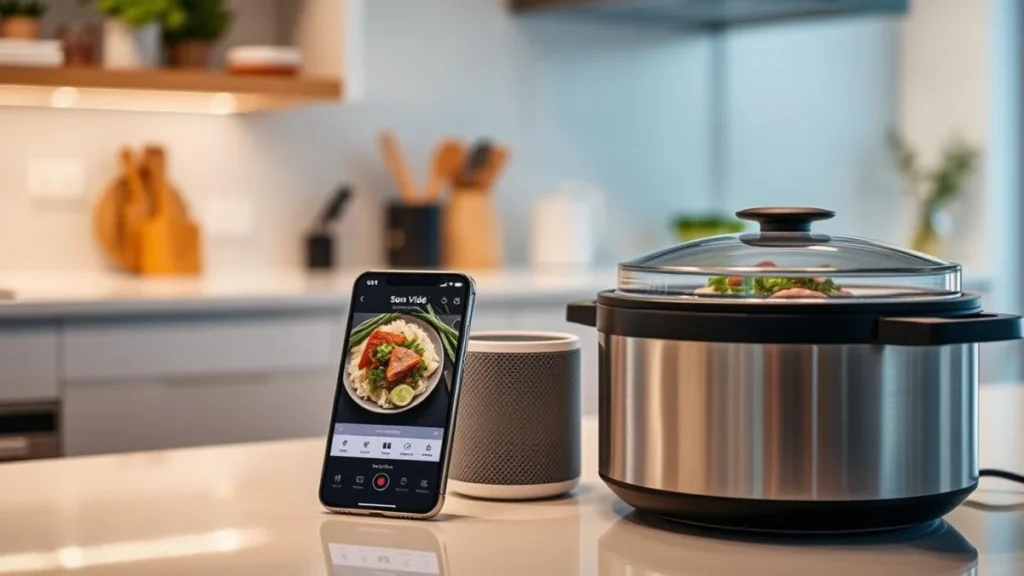
Connectivity is now a central selling point for many sous vide models. More budget-friendly cookers offer Wi-Fi or Bluetooth and companion apps that provide recipes, remote monitoring, and cook notifications — features that pair well with smart-home ecosystems (Alexa/Google). If remote control and guided vide cooking matter to you, prioritize models with stable apps and proven connectivity performance.
- Why it matters: app control lets you monitor water temperature and time from anywhere, which is especially handy for long cooks.
- Example: the Breville Joule family (including the Joule Turbo) popularized compact, app-first design — check compatibility if you want that experience.
Compact and Portable Designs
Manufacturers are shrinking their footprint without sacrificing power. Compact immersion circulators and travel-friendly cookers now deliver intense heating and precise temperature control in smaller packages, making them easier to store in the kitchen or pack for trips.
Who benefits: urban cooks, travelers, or anyone with limited kitchen storage.
Why it matters: a smaller device that still reaches target temperatures and maintains circulation saves counter and storage space.
Energy Efficiency and Smarter Heating
Energy efficiency is rising as a priority. Newer sous vide machines use improved insulation, more innovative heat algorithms, and better circulation to keep water temperature stable while using less power. That reduces running costs for long cooks and makes sous vide more sustainable for daily use.
What to check: stated wattage and real-world recovery times — higher power often heats faster, but more intelligent control can offset raw wattage.
Why it matters: lower power draw and efficient heating deliver the same precise results with reduced energy consumption.
Trend-to-buy snapshot: if you want hands-off remote cooking and recipe guidance, prioritize connectivity and app quality (check models and app reviews). If space is limited, choose a compact precision cooker, such as the Breville Joule, or another small immersion circulator. If you run long water baths often, focus on power, circulation, and energy-efficient features.
Conclusion: Best sous vide cookers under $100
After testing and research, we found that the best sous vide cookers under $100 deliver impressive precision and consistent results that rival pricier models. Our pick—the Anova Precision Cooker 2.0—balances temperature accuracy, reliable heating power, and a full-featured WiFi app, making it an excellent precision cooker for home kitchens focused on consistent, restaurant-quality results.
If you prefer simplicity and quiet operation, the Greater Goods Kitchen sous vide machine is a strong alternative with powerful heating and an intuitive dial interface. Budget-conscious buyers who want WiFi features should consider the INKBIRD ISV-100W for its solid performance and innovative app capabilities at a lower price.
Whatever model you choose, sous vide brings repeatable temperature control, better texture, and less guesswork to your cooking. Before purchasing, make sure to check the current price, warranty, and the latest manufacturer-accuracy specs for the model you choose.
FAQs About the Best Sous Vide Cookers Under $100
Do I need a vacuum sealer for sous vide cooking?
No, you can use the water-displacement method for most cooks, but a vacuum sealer helps for long cooks and prevents floating.
The term “sous vide” means “under vacuum,” but in home kitchens, you don’t always need a vacuum sealer. For most recipes, place the food in a zip-top freezer bag, slowly lower it into the water bath to expel the air, then seal the bag. A vacuum sealer provides a more complete seal, reduces bag slippage and floating during extended time-in-water, and can improve shelf life for prepped portions. Make sure to test your chosen bag method for longer, multi-day cooks.
Are budget sous vide cookers accurate enough for delicate foods?
Yes, many sub-$100 models offer sufficient precision for eggs, fish, and most proteins; check model accuracy for custards or very temperature-sensitive recipes.
Most affordable precision cookers advertise accuracy ranging from around ±0.1°F to ±1.0°F. Models that claim ±0.1°F (like some Anova and INKBIRD units) are better suited for extremely delicate vide cooking. For everyday cooking and most recipes, budget models deliver consistent results whenever used correctly — verify accuracy specs and independent test results if you need lab-grade precision.
How vital is wattage when choosing a sous vide cooker?
Wattage affects heat-up and recovery time — 1000W+ is faster for large volumes, while 800W works for small pots and occasional use.
Wattage determines how quickly the heating element can raise water temperature and how quickly it recovers after adding cold food. If you regularly cook large batches or start from cold water, choose a 1000W–1100W model for quicker heat-up and better temperature stability. For single meals or small pots, 800W is usually sufficient. Also consider circulation efficiency and pot size, since these affect real-world performance more than wattage alone.
Can I use any container with these sous vide cookers?
Yes, use heat-resistant pots or dedicated sous-vide containers; check clamp compatibility and make sure circulation isn’t blocked.
Most sous vide cookers work with heat-resistant pots, polycarbonate containers, or dedicated sous vide boxes. Adjustable clamps give the most flexibility; fixed clamps (or specific compact models) may limit container choices. Make sure your pot is deep enough to meet the minimum water line, and avoid overcrowding the container to ensure good circulation and even cooking.
How long do sous vide cookers typically last?
With proper maintenance, expect 3–5 years or more from a good unit; warranties commonly run 1–2 years.
Longevity depends on build quality, maintenance (descaling, cleaning), and usage frequency. Budget models may have shorter lifespans than premium machines, but regular cleaning and descaling significantly extend service life. Check the manufacturer’s warranty and user reviews for reliability feedback. Also, watch for signs of decreased heating performance or unusual noises as indicators that service may be needed.
Is WiFi connectivity worth paying extra for?
WiFi apps add convenience for long cooks and remote monitoring, but manual controls are fine for many cooks and save cost.
WiFi connectivity offers remote monitoring, cook notifications, recipe libraries, and, in some cases, voice or smart-home integration. It’s handy for long water-bath sessions when you want to receive alerts or adjust the temperature from your phone. However, if you primarily do short cooks or prefer simple manual operation, models with manual controls (dials or touchscreens) provide reliable performance without the extra connectivity cost or potential app issues. Check app reviews and stability before buying a connected model.