


Table of Contents
Aluminum cookware is a popular choice due to its excellent heat conductivity and durability. However, there are health concerns regarding its use.
The discussion about non-toxic cookware has raised concerns about the safety of aluminum cookware for everyday use. While some people believe it may leach into food, others argue that modern coatings have reduced this risk.
Understanding the facts about aluminum cookware safety is crucial for making informed decisions in the kitchen. This article will examine the benefits and drawbacks of using aluminum cookware, enabling you to decide if it’s the right choice for you.
What Makes Aluminum Popular in Kitchenware
At a Glance:

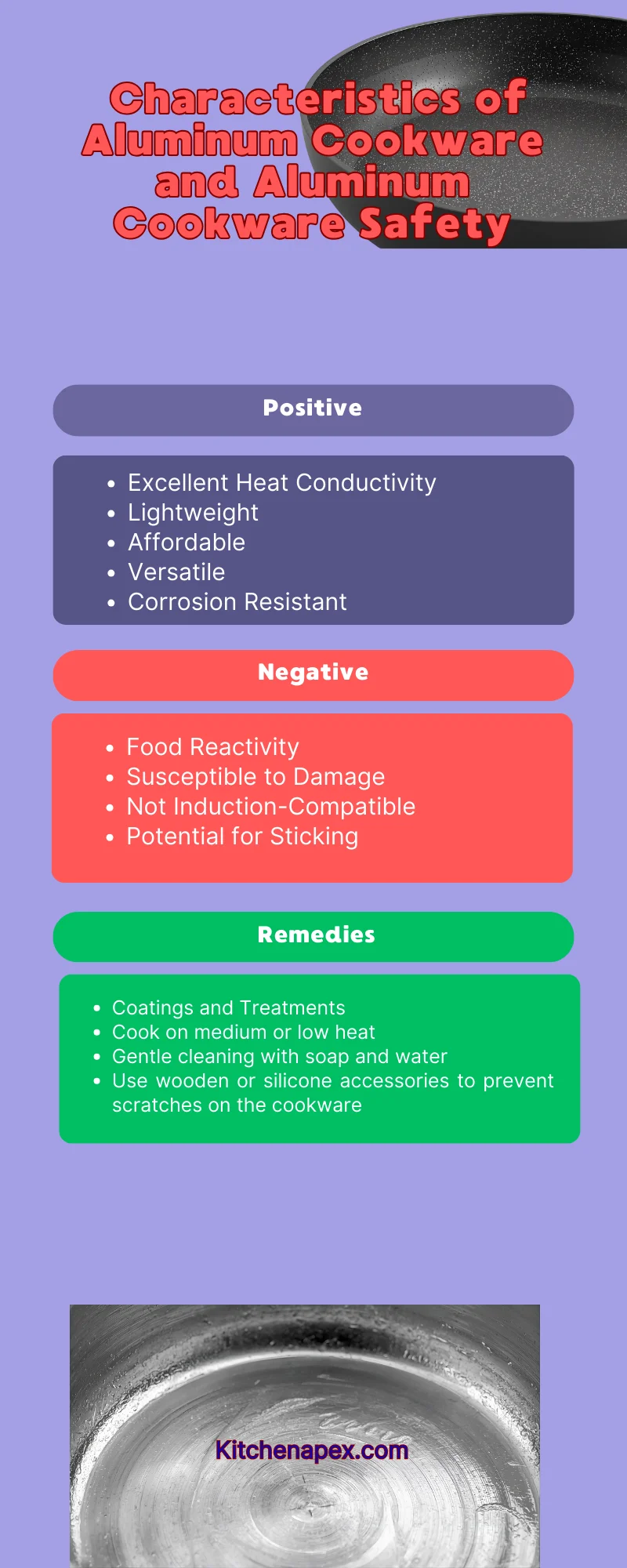
Aluminum cookware is a common sight in kitchens worldwide, but its history and benefits are worth exploring. As a material, aluminum has several properties that make it highly suitable for cooking. Aluminum cookware is popular because it conducts heat well, which helps cook food evenly.
It is also relatively inexpensive and lightweight, making it a practical option for many cooks. Professional kitchens often use aluminum cookware because it distributes heat evenly, lowering the chance of hot spots that can burn food.
Brief History of Aluminum in Cooking
Aluminum has been used in cookware since the early 19th century, when it was first discovered and utilized. Initially, people believed aluminum was a precious metal because it was scarce. However, as production methods improved, it became more common. Over the years, manufacturers have created different types of aluminum cookware, including anodized and coated versions, which are more durable and perform better.
Understanding the background and evolution of aluminum cookware provides insight into its popularity and the reasons behind its continued use in modern kitchens. As we explore further, the safety and health considerations associated with aluminum cookware will become clearer.
The Advantages of Aluminum Cookware

Aluminum cookware has been a staple in kitchens for decades, and its popularity can be attributed to several key benefits. One of the primary reasons cooks prefer aluminum cookware is its exceptional performance in various cooking tasks.
1. Excellent Heat Conductivity
Aluminum is known for its excellent heat conductivity, allowing for even heat distribution across the cookware. This feature ensures that food is cooked consistently, reducing the risk of hotspots that can lead to burnt meals. Whether you’re simmering a delicate sauce or searing meat, aluminum cookware’s heat conductivity is a significant advantage.
2. Lightweight and Affordable
Another significant benefit of aluminum cookware is its lightweight nature, making it easy to handle and maneuver, especially for cooks who need to manage multiple pots and pans simultaneously. Additionally, aluminum cookware is generally more affordable than cookware made from other materials, making it an accessible option for many consumers.
3. Versatility in Kitchen Applications
Aluminum cookware is incredibly versatile, suitable for a wide range of cooking techniques, including frying, sautéing, boiling, and steaming. Many cooks appreciate the availability of the best non-stick pans made from aluminum, as they prevent food from sticking and make cleaning easier. For those seeking aluminum-free cookware alternatives, options are available; however, aluminum remains a popular choice due to its performance and value.
Potential Downsides of Aluminum Pots and Pans

While aluminum cookware has several benefits, it also comes with some significant drawbacks that users should be aware of. Understanding these limitations is crucial for making informed decisions about your cookware choices and ensuring a safe cooking experience.
1. Reactivity with Acidic Foods
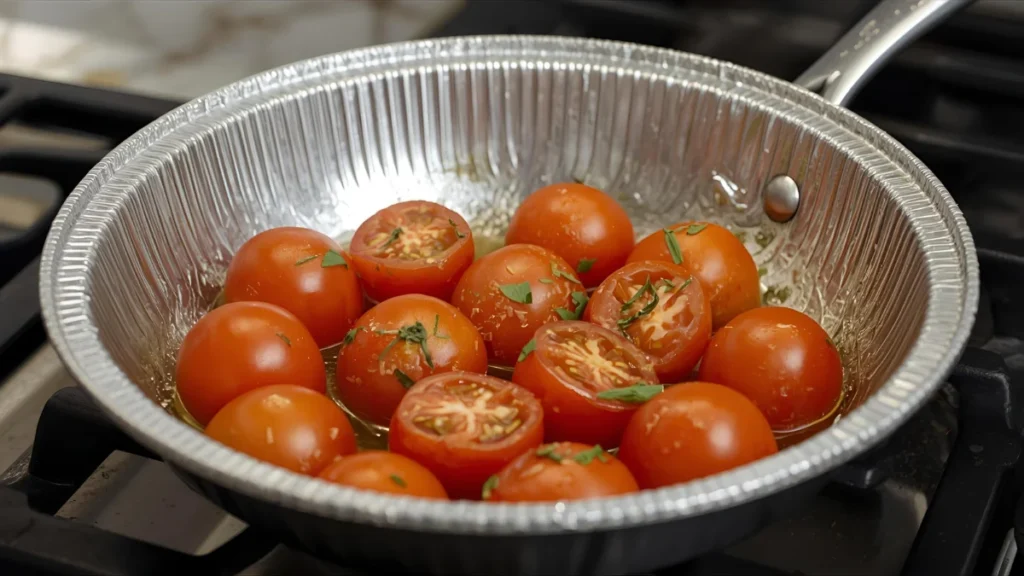
One of the primary concerns with aluminum cookware is its reactivity with acidic foods. When cooking with ingredients like tomatoes, citrus, or vinegar-based dishes, the acid can react with the aluminum, potentially leaching metal into your food. This reaction not only affects the taste but also raises concerns about the safety of consuming aluminum. To minimize this risk, many manufacturers apply a non-stick coating or anodize the aluminum to create a more inert surface. However, if the coating is damaged or worn off, the underlying aluminum can be exposed, increasing the risk of reactivity.
2. Durability Concerns
Aluminum cookware is generally less durable than other materials, such as stainless steel or cast iron. It can scratch or warp more easily, especially when exposed to high heat or sudden temperature changes. This can lead to a shorter lifespan for your cookware and necessitate more frequent replacements. To extend the life of your aluminum cookware, it’s essential to follow proper care and maintenance guidelines, such as avoiding the use of metal utensils and not heating the cookware to extreme temperatures.
3. Aesthetic Issues Over Time
Over time, aluminum cookware can develop aesthetic issues, including discoloration and the formation of scratches and marks. While these do not necessarily affect the performance of the cookware, they can make it less appealing to use. Regular cleaning and maintenance can help mitigate these issues. For anodized aluminum, avoiding abrasive cleaners and scourers is crucial to preserving the appearance and integrity of the cookware.
By understanding these potential downsides, you can take steps to mitigate them and enjoy the benefits of using aluminum cookware while maintaining a safe and eco-friendly kitchen.
Aluminum Cookware Safety: Separating Facts from Fiction
Separating myths from facts is crucial when evaluating the safety of aluminum cookware for everyday use. As concerns about health and cooking methods continue to grow, understanding the truth behind aluminum cookware safety is more important than ever.
Common Myths About Aluminum & Health
One common myth is that aluminum cookware directly causes Alzheimer’s disease. However, numerous health organizations have investigated this claim and found no direct link between the two.
Other myths surround the idea that aluminum cookware leaches significant amounts of aluminum into food, posing health risks. While it’s true that aluminum can leach into food, especially when cooking acidic dishes, the amounts are typically minima
Scientific Evidence on Aluminum Exposure
Studies have shown that the human body is exposed to aluminum from various sources, including food, water, and cookware. However, the scientific consensus is that the amount of aluminum that leaches from cookware into food is generally not significant enough to cause health concerns for most people.
| Source | Aluminum Exposure |
|---|---|
| Cookware | Minimal |
| Food | Variable |
| Water | Low |
What Experts Say About Daily Use
Experts recommend taking precautions when using aluminum cookware, such as avoiding the cooking of acidic foods in uncoated aluminum pots and pans. Anodized or coated aluminum cookware is considered safer as it reduces the risk of aluminum leaching into food.
Factors That Influence Aluminum Cookware Safety
Understanding the factors that affect the safety of aluminum cookware is crucial for its safe use. The safety of cooking with aluminum cookware is not solely determined by the material itself, but by a combination of factors that influence its performance and the health implications of its use.
Cooking Temperature Considerations
Cooking temperature is a significant factor that affects the safety of aluminum cookware. High temperatures can cause the aluminum to react more vigorously with certain types of food, potentially leading to the leaching of aluminum into the food. It’s essential to be mindful of the heat levels when cooking with aluminum cookware to minimize risks.
Food Acidity Levels
The acidity of the food being cooked is another critical factor. Acidic foods, such as tomatoes and citrus, can react with aluminum, increasing the likelihood of aluminum leaching into the food. Understanding the chemical properties of the food you cook can help you take necessary precautions.
Cookware Age and Condition
The age and condition of your aluminum cookware also play a significant role in its safety. Older or damaged cookware may be more prone to reacting with food, as the protective oxide layer may be compromised. Regular inspection and maintenance of your cookware are vital to ensuring it remains safe to use.
By considering these factors—cooking temperature, food acidity, and the age and condition of the cookware—you can significantly enhance the safety of using aluminum cookware, making it a safe and reliable choice for your kitchen.
Coated vs. Uncoated Aluminum Cookware

Aluminum cookware comes in two main types: coated and uncoated, each with its own set of advantages and safety considerations. The primary difference between the two lies in their surface treatment and its impact on their performance and interaction with food.
Anodized Aluminum Explained
Anodized aluminum cookware is made by electrolytically enhancing the natural oxide layer on the aluminum surface. This process creates a durable, non-reactive finish that resists corrosion and wear. Anodized aluminum is renowned for its exceptional heat distribution and durability, making it a popular choice among chefs. Unlike non-stick coatings, anodized aluminum doesn’t contain chemicals like PFOA, making it a healthier option for those concerned about chemical exposure.
Non-stick Coatings on Aluminum
Non-stick aluminum cookware is coated with a layer, often made from Teflon or a similar synthetic polymer, to prevent food from sticking. While non-stick coatings make cooking and cleaning easier, there’s concern about the potential health risks associated with the chemicals used in these coatings, especially when heated to high temperatures. Choosing a high-quality non-stick coating and following the manufacturer’s guidelines can minimize these risks.
Which Option Is Safer?
When it comes to safety, both coated and uncoated aluminum cookware have their considerations. Anodized aluminum is generally considered safe and durable, while non-stick coatings require more care to ensure they remain safe to use. Here are some key points to consider:
- Anodized Aluminum: Durable, non-reactive, and free from PFOA.
- Non-stick Coatings: Easy to clean, but may contain potentially hazardous chemicals if not used correctly.
- Uncoated aluminum can react with acidic foods, potentially leaching aluminum into the food.
Ultimately, the safer choice depends on your cooking habits and preferences. For those who value durability and are willing to maintain their cookware, anodized aluminum might be the better choice. For those who prioritize ease of use and cleaning, a high-quality non-stick aluminum cookware may be a more suitable option.
Health Considerations When Using Aluminum Cookware

As we explore the health implications of aluminum cookware, it’s essential to understand both the benefits and risks. Aluminum cookware is widely used due to its excellent heat conductivity and lightweight nature. However, concerns about its impact on health have led to numerous studies and debates.
Aluminum Exposure in Daily Life
Aluminum is not only found in cookware but is also present in various aspects of daily life, including packaging, cosmetics, and certain medications. The average person is exposed to aluminum through multiple sources, making it crucial to assess the risk associated with cookware.
Sources of Aluminum Exposure:
- Food packaging
- Cosmetics and personal care products
- Antacids and certain medications
- Cookware
Research on Aluminum and Health Conditions
Numerous studies have investigated the link between aluminum exposure and various health conditions. Some research suggests a potential association between high aluminum intake and neurological disorders, while other studies find no conclusive evidence.
| Health Condition | Potential Link to Aluminum |
|---|---|
| Alzheimer’s Disease | Some studies suggest a link, but evidence is not conclusive |
| Bone Disorders | High aluminum intake may affect bone health |
Risk Assessment for Different Population Groups
Different population groups may have varying levels of risk associated with aluminum exposure from cookware. For instance, individuals with kidney disease may be more susceptible to the adverse effects of aluminum.
It’s essential to follow cookware safety tips to minimize exposure, such as avoiding the use of aluminum cookware for acidic foods and maintaining good cookware maintenance habits.
By understanding the health considerations and taking appropriate precautions, individuals can make informed decisions about their cookware choices, striking a balance between convenience and safety.
Best Practices for Using Aluminum Cookware Safely
By following straightforward guidelines, you can minimize risks associated with aluminum cookware. To get the most out of your cookware while ensuring safety, it’s essential to understand the best practices for its use and maintenance.
Proper Care and Maintenance
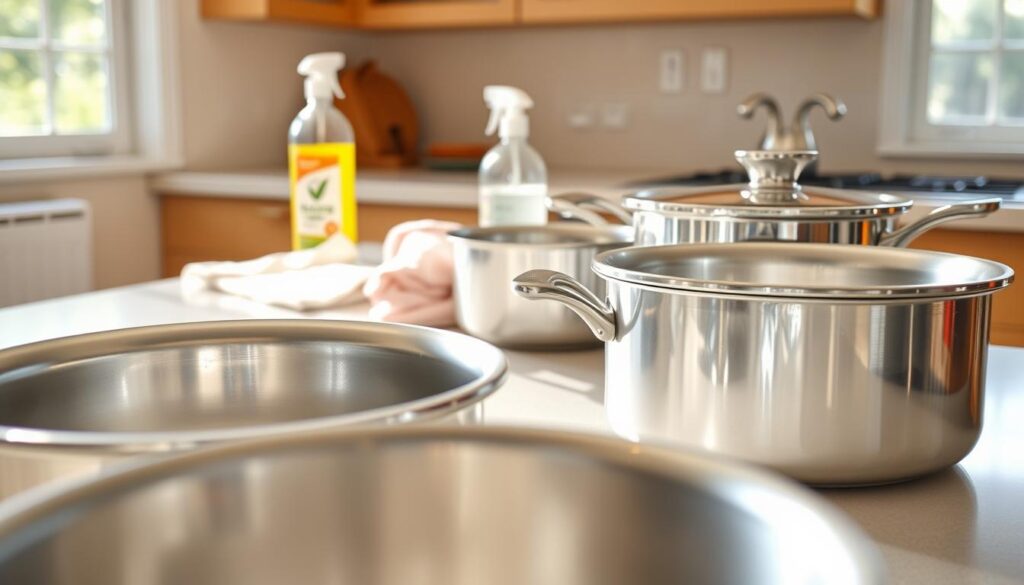
To maintain your aluminum cookware in good condition, avoid using abrasive cleaners or scouring pads, as they can damage the surface. Instead, clean your cookware with mild soap and water. For tougher stains, a mixture of baking soda and water can be an effective solution. Regular maintenance also includes drying your cookware thoroughly after washing to prevent water spots.
Foods to Avoid Cooking in Aluminum
Certain foods can react with aluminum, potentially leaching metals into your meals. Acidic foods, such as tomatoes, citrus, and vinegar-based dishes, are particularly problematic. It’s also advisable to avoid cooking alkaline foods, such as those containing baking soda, in aluminum cookware. Being mindful of the foods you cook can significantly reduce the risk of aluminum exposure.
When to Replace Your Aluminum Cookware
Over time, aluminum cookware can wear out, becoming more susceptible to damage and potentially increasing the risk of aluminum leaching into food. If you notice significant wear, such as pitting, cracking, or severe discoloration, it’s time to consider replacing your cookware. Regularly inspecting your cookware can help you identify when it’s time for a replacement, ensuring you continue to cook safely.
By adhering to these best practices, you can enjoy safe and healthy cooking with your aluminum cookware. Whether you’re preparing a simple meal or experimenting with new recipes, taking care of your cookware is key to a positive cooking experience.
Top-Rated Aluminum Cookware Products
Top-rated aluminum cookware products offer a blend of performance, durability, and safety that many home cooks appreciate. Whether you’re in the market for a pressure cooker, rice cooker, or a comprehensive cookware set, there are several excellent options to consider.
Best Aluminum Pressure Cookers
Pressure cookers have revolutionized cooking by significantly reducing preparation time. Here are two top-rated aluminum pressure cookers:
Instant Pot Duo 7-in-1 Electric Pressure Cooker
No products found.The Instant Pot Duo is a versatile and highly-rated option that combines the functions of a pressure cooker, slow cooker, and more in one device. Its aluminum alloy construction ensures efficient heat distribution.
Presto 01362 6-Quart Stainless Steel Pressure Cooker
No products found.Although primarily made of stainless steel, the Presto 01362 features an aluminum layer for enhanced heat conductivity, making it an excellent option for those seeking both durability and performance.
Best Aluminum Rice Cookers
Rice cookers are a staple in many kitchens, and aluminum models are prized for their heat conductivity. Here are two highly-regarded options:
Zojirushi NS-TSC10 Micom Rice Cooker
No products found.This Zojirushi model features advanced rice cooking technology and an aluminum alloy that ensures even heating. It’s known for its precise temperature control and ease of use.
Aroma Housewares ARC-914SBD Digital Rice Cooker
No products found.The Aroma Housewares ARC-914SBD is a digital rice cooker that boasts an aluminum construction for optimal heat distribution. It’s also versatile, capable of cooking a variety of grains and dishes.
Best Aluminum Cookware Sets
For those looking to equip their kitchen with a comprehensive cookware set, aluminum options are both lightweight and efficient. Here’s a top-rated choice:
T-fal E765SH Ultimate Hard Anodized Cookware Set
No products found.This T-fal cookware set is made from hard-anodized aluminum, offering excellent durability and non-stick performance. It’s a great choice for those seeking a reliable and versatile cookware solution.
When selecting aluminum cookware, it’s essential to consider factors like cookware safety tips and the benefits of the best non-stick pans. The following table compares some key features of the products discussed:
| Product | Material | Non-Stick Coating | Heat Distribution |
|---|---|---|---|
| Instant Pot Duo | Aluminum Alloy | No | Excellent |
| Presto 01362 | Stainless Steel/Aluminum | No | Excellent |
| Zojirushi NS-TSC10 | Aluminum Alloy | No | Excellent |
| Aroma Housewares ARC-914SBD | Aluminum | No | Good |
| T-fal E765SH | Hard-Anodized Aluminum | Yes | Excellent |
Conclusion: Making Informed Decisions About Your Cookware
Understanding the safety of aluminum cookware is crucial for making informed decisions about your kitchenware. As discussed, aluminum cookware offers excellent heat conductivity, is lightweight, and affordable. However, it also comes with potential risks, such as reactivity with acidic foods and concerns about durability.
To ensure safe use, it’s essential to follow best practices, including proper care and maintenance, avoiding certain foods, and knowing when to replace your cookware. Choosing non-toxic cookware options, such as anodized or coated aluminum, can also mitigate potential health risks.
By balancing the benefits and risks associated with aluminum cookware and being mindful of aluminum cookware safety, you can make informed choices that suit your cooking needs and preferences. Whether you opt for aluminum or explore alternative non-toxic cookware materials, prioritizing your health and safety is paramount.
FAQs
Is it safe to cook acidic foods in aluminum cookware?
Cooking acidic foods in aluminum cookware can cause a reaction, potentially leaching aluminum into food. To minimize risks, consider using anodized or coated aluminum cookware, which provides a barrier between the aluminum and acidic foods.
What is the best type of aluminum cookware for safe cooking?
Anodized aluminum cookware is considered a safer option due to its durable, non-reactive coating. Non-stick coatings can also be safe if they are PFOA-free and properly maintained.
How can I maintain my aluminum cookware to ensure it remains safe to use?
Regular cleaning, avoiding metal utensils, and not using abrasive cleaners can help maintain your aluminum cookware. For non-stick coatings, avoid high heat and use gentle cleaning products.
Are there any health risks associated with using aluminum cookware?
While there is ongoing debate, the scientific consensus is that aluminum cookware is generally safe when used properly. However, certain individuals, such as those with kidney disease, may need to limit their exposure to aluminum.
Can I use aluminum cookware at high temperatures?
While aluminum cookware can be used at high temperatures, it’s essential to follow the manufacturer’s guidelines. Non-stick coatings, in particular, can degrade at very high temperatures, potentially releasing harmful fumes.
How do I know when it’s time to replace my aluminum cookware?
Replace your aluminum cookware if you notice significant wear, such as scratches on non-stick surfaces, warping, or if the cookware is old and you’re concerned about its safety.
Are there eco-friendly alternatives to aluminum cookware?
Yes, alternatives include stainless steel, cast iron, and ceramic cookware. These options are often more durable and can be more eco-friendly, depending on their production processes and materials.
Can I use aluminum cookware for cooking methods like grilling or broiling?
Aluminum cookware can be used for various cooking methods, but it’s crucial to check the manufacturer’s recommendations. Some aluminum cookware may not be suitable for extremely high heat or specific cooking techniques.